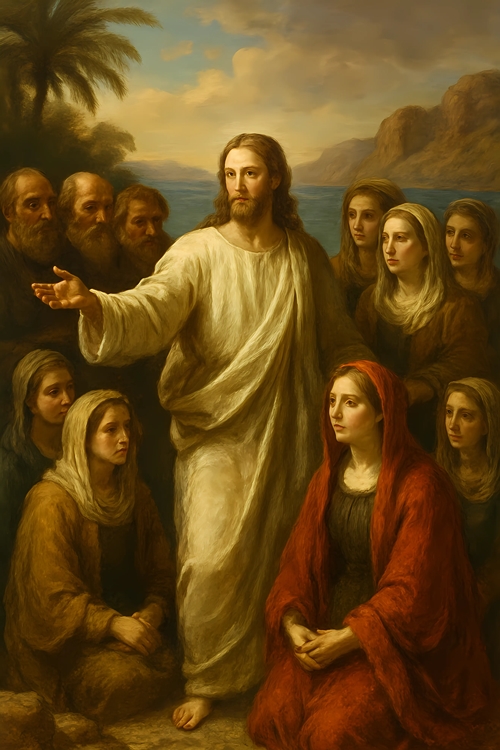
- Mary the Magdalene
by Wendell Sweet (Author) Format: Kindle Edition
| This book is based on the actual gospel of Mary the Magdalene: The Gospel of Mary Magdalene was first discovered in the late 19th century, with the most important surviving fragment found in 1896. This fragment, known as the Berlin Codex (Papyrus Berolinensis 8502), was discovered near Akhmim in Upper Egypt and purchased in Cairo by German scholar Carl Reinhardt www.gnosis.org. It was later taken to Berlin, where it was preserved and eventually published in 1955 www.gnosis.org. In addition to the Berlin Codex, smaller fragments of the text were found in the Oxyrhynchus Papyri in Egypt, with the earliest Greek fragment (Papyrus Oxyrhynchus L 3525) dating to the early 3rd century Wikipedia. These discoveries revealed that the Gospel of Mary existed in both Greek and Coptic versions and was part of a Gnostic manuscript collection. Scholars generally date the composition of the Gospel of Mary to the second century AD, though some place it slightly earlier Wikipedia. It is not considered one of the four canonical Gospels and reflects Gnostic theological ideas rather than the mainstream Christian narrative Bible Hub. |
Theological implications of Mary Magdalene’s role in the Gospel of Mary are profound and have been a source of considerable debate. The Gospel of Mary places a woman at the forefront of spiritual revelation and transmission. #religion #Christianity #history #WendellSweet religion, Christianity, history, Wendell Sweet
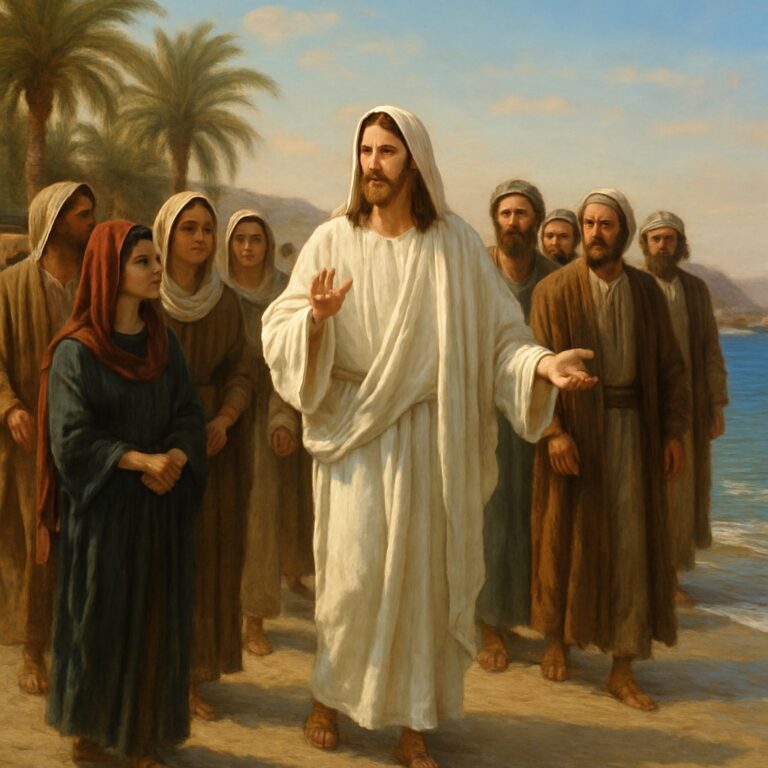
- Jesus the Christ
by Wendell Sweet (Author) Format: Kindle Edition
This re-evaluation does not necessitate a rejection of the canonical Gospels, but rather a richer, more contextualized reading of them, informed by the wider spectrum of early Christian literature. It means understanding that the “orthodox” narrative that eventually prevailed was not the only narrative at play in the 1st and 2nd centuries. #religion #Christianity #history #WendellSweet religion, Christianity, history, Wendell Sweet
| This book is based on the gospel of Mary the Magdalene as well as other gospels: The first centuries of Christianity involved major debate over which books belonged in the New Testament canon. Generally, books widely believed to be the earliest accounts about Jesus made it in, while others were labeled apocryphal. Some of those rejected texts were actively suppressed and now exist only as fragments or references in writings that condemned them. Early canon lists also differed from today’s: Revelation was disputed by some, while the Shepherd of Hermas was accepted by others and even appears in Codex Sinaiticus after Revelation. Different traditions had their own variations. The Syriac Peshitta originally excluded 2 Peter, 2 John, 3 John, Jude, and Revelation, leaving a 22-book canon cited by John Chrysostom and Theodoret. Western Syrian churches added those five books later, though some Eastern churches still use lectionaries based on the original 22. The Armenian Apostolic Church sometimes included 3 Corinthians and didn’t accept Revelation into its Bible until around 1200 CE. In a patriarchal society it was easy to suppress the gospel of Mary among other texts that did not fit the narrative the church wished for. |