January 14, 2026

W. W. Watson

Alcatraz Island, colloquially known as “The Rock,” is a small island located in the San Francisco Bay, California. From 1934 to 1963, it served as a maximum-security federal prison, housing some of America’s most notorious criminals. The prison’s isolated location, surrounded by cold and treacherous waters, made escape attempts extremely difficult, earning it a reputation as an escape-proof facility.

History of Alcatraz
Before its conversion into a prison, Alcatraz Island had various roles. In 1847, it was used as a U.S. Army fortress to protect the San Francisco Bay from potential naval attacks. Later, in 1909, the army demolished the fortress and began constructing a military prison, which would eventually become the foundation for the federal penitentiary.

The Federal Bureau of Prisons took over Alcatraz in 1933 and, under the direction of Sanford Bates, transformed the island into a maximum-security prison. On August 11, 1934, the United States Penitentiary, Alcatraz Island, officially opened its doors to its first batch of inmates. Over the years, Alcatraz would house a total of 1,547 inmates, with an average population of 260 prisoners at any given time.

Life on Alcatraz
Life on Alcatraz was harsh and unforgiving. Inmates were subjected to strict rules and regulations, with even minor infractions punished severely. Prisoners woke up at 6:30 am for breakfast, followed by a roll call and assignment to work details. Jobs included maintenance, laundry, and industries such as weaving and woodworking.

Inmates were allowed limited privileges, including reading materials, playing musical instruments, and writing letters. However, these privileges could be revoked at any time for misbehavior. Solitary confinement, known as “the hole,” was a common punishment for rule-breakers. Inmates in solitary confinement were denied privileges, and sometimes even basic necessities like food and clothing.

Notorious Inmates
Alcatraz was home to many infamous prisoners, including:

  1. Al Capone: The notorious gangster and bootlegger was sentenced to 11 years in prison for tax evasion. He spent four and a half years on Alcatraz before being transferred to a federal prison in Illinois due to declining health.
  2. George “Machine Gun” Kelly: A notorious bank robber and kidnapper, Kelly was a key figure in the FBI’s early years. He spent 17 years on Alcatraz before being transferred to Leavenworth Federal Penitentiary.
  3. Robert Stroud: Known as the “Birdman of Alcatraz,” Stroud was a convicted murderer who spent 54 years in prison, 17 of which were on Alcatraz. While in prison, Stroud became an ornithologist, writing a book on bird diseases.

Escape Attempts
Despite its reputation as an escape-proof prison, there were several attempts to flee Alcatraz. The most famous attempt was made by Frank Morris and the Anglin brothers, John and Clarence, in June 1962. The trio used crude homemade tools to dig through their cell walls and created papier-mâché heads and realistic faces to fool the guards during the night’s headcount.

The three inmates climbed to the roof of their cells and made their way to the northern edge of the prison, where they had prepared a makeshift raft. They climbed over the prison’s perimeter fence and disappeared into the night. Despite an extensive search by the FBI, the bodies of Morris and the Anglin brothers were never found, leaving behind speculation about their fate.

Closure and Legacy
After 29 years of operation, Alcatraz Prison closed its doors on March 21, 1963. The high operating costs, combined with the deterioration of the prison’s infrastructure, made it unsustainable. Attorney General Robert F. Kennedy and the Federal Bureau of Prisons decided to shut down the facility.

Today, Alcatraz Island is a popular tourist destination, operated by the National Park Service. Visitors can take a ferry to the island and explore the prison, learning about its history and infamous inmates. Alcatraz has become a symbol of the harsh realities of prison life and the enduring allure of the notorious crimes and criminals that once called it home.

The island’s history and legacy continue to captivate people worldwide, inspiring numerous books, films, and documentaries. Alcatraz Island stands as a testament to the complexities of the American justice system and the intriguing stories of those who lived and breathed within its walls.

Native American Occupation
In 1969, a group of Native American activists occupied Alcatraz Island, citing an 1868 treaty that allowed Native Americans to claim unused federal land. The occupation, which lasted for 19 months, brought attention to Native American rights and the struggles faced by indigenous communities.

During the occupation, the activists offered the federal government $24 in glass beads and red cloth for the island, mirroring the sale of Manhattan. They envisioned Alcatraz as a cultural and educational center, highlighting the importance of Native American heritage.

The occupation ended in June 1971, when federal authorities forcibly removed the remaining activists. However, the movement had a lasting impact, raising awareness about Native American issues and contributing to the passage of the Indian Self-Determination and Education Assistance Act in 1975.

Alcatraz Today
Alcatraz Island has become an iconic symbol of both the harsh realities of prison life and the struggles of Native American communities. The island’s rich history is preserved through the efforts of the National Park Service, which offers guided tours and educational programs.

Visitors to Alcatraz can explore the prison cells, listen to audio tours featuring former inmates and guards, and learn about the island’s Native American occupation. The island’s stark beauty, surrounded by the San Francisco Bay, serves as a poignant reminder of the complex stories and histories that have shaped America.

In recent years, Alcatraz has also become a focal point for discussions about mass incarceration, prison reform, and the treatment of inmates. The island’s history serves as a catalyst for conversations about the American justice system and the ongoing struggles faced by marginalized communities.

As a cultural and historical landmark, Alcatraz Island continues to captivate audiences worldwide, offering a glimpse into the lives of those who lived and breathed within its walls. Its legacy serves as a reminder of the power of human resilience and the enduring impact of America’s complex history.

The stories of Alcatraz’s past, from its notorious inmates to the Native American occupation, remind us of the island’s significance as a symbol of both oppression and resistance. As we reflect on the island’s history, we are reminded of the importance of understanding and learning from the past, as we strive to build a more just and equitable future.

In the words of a former Alcatraz inmate, “Alcatraz was a place where time stood still. It was a place where the world outside didn’t matter, and all that mattered was survival.” Today, Alcatraz Island stands as a testament to the human spirit, a reminder of the struggles and triumphs that have shaped America, and a poignant symbol of the ongoing quest for justice and humanity.


Here are some crime books you may like to read if crime is right up your alley…

Connected: Short Hauls Kindle Edition

Book 1 of 3: Connected

A collection of seven crime stories; including Harrows… They had been drinking one night when Robby had come out with the murder bit. #ShortStories #CrimeFiction #Watson #Readerrs #Kindle

Connected: Sanger Road Kindle Edition

Book 2 of 3: Connected

Sanger Road… Pulled from his mundane life, Carl finds a world where anything is possible if you are willing to risk everything… #Crime #Readers #Amazon #Kindle #BookLovers

Connected: Dello Green Kindle Edition

Book 3 of 3: Connected

Jimmy West backed his big Dodge around to an open dumpster container, late afternoon was a perfect time to dump a body… #CrimeFiction #CrimeJunkkies #CrimeReaders #Kindle #Amazon


Home: https://www.wendellsweet.com

Take a look at this excerpt from Author W. W. Watson. This is a series of private detective novels. This is from Book 2. Scroll to the bottom of the page to get the book, if you like it, from Amazon…

The sense of closure from the Robert case proved illusory. The city’s hum, once a comforting backdrop, now felt like a constant, low-level thrum of impending trouble. It started subtly; a missed call from a blocked number, a cryptic email with no sender’s information, a fleeting glimpse of a familiar face in a crowded street that vanished as quickly as it appeared. These were small things, easily dismissed as coincidences, the product of an overactive imagination fueled by months of relentless investigation and emotional turmoil. But they chipped away at my newfound peace, a slow, insidious erosion of calm.


Then came the letter. A simple, unmarked envelope slipped under my apartment door, containing a single photograph – a grainy, poorly lit image of Sally standing outside a dimly lit bar, a man’s arm draped possessively around her shoulders. The man’s face was obscured by shadow, but the silhouette, the posture, the way he held her… it was chillingly familiar.


My stomach clenched. I knew that face. Or at least, I knew the

shape of it. It resonated with a memory, buried deep beneath the layers of recent trauma, a fleeting image from a case I’d worked years ago – a case involving a brutal assault, a string of unsolved disappearances, a network of organized crime that had stretched far beyond my reach. The man in the photograph, I was almost certain, was a peripheral figure from that investigation, someone I’d only caught a glimpse of, a shadowy figure on the edge of the frame. Someone I’d never been able to identify, someone who’d vanished without a trace.


The implications were staggering. My investigation into Robert’s infidelity had inadvertently unearthed something far more sinister, something that connected to a dark chapter in my past, a case that had haunted me for years. It was a chilling revelation, a cruel twist of fate that thrust me back into the murky waters of organized crime. This wasn’t just about a broken marriage anymore; this was about something far bigger, far more dangerous.


The photograph wasn’t just a threat; it was a challenge. A gauntlet thrown down, daring me to pick it up and face the consequences. The carefully constructed peace I’d worked so hard to achieve was shattered, replaced by a familiar knot of anxiety that tightened in my chest. The nightmares returned, sharper, more vivid, filled with distorted faces and the chilling whisper of impending danger.


My cautious, methodical approach, honed over years of experience, was suddenly inadequate. This wasn’t a simple infidelity case; this was a potential descent into a dangerous underworld. I needed to tread carefully, to plan each step meticulously. I couldn’t afford to make a mistake; the consequences could be devastating.


My first step was to verify the photograph. Was it a genuine image, or a carefully constructed fabrication designed to manipulate, to provoke a reaction? The quality of the photograph was poor, the details obscured, but there were subtle elements that suggested authenticity – the subtle grain, the way the light fell on the building in the background, the slightly blurry details that hinted at a hasty, clandestine shot.


I ran the image through various forensic enhancement programs, pushing the pixels to their limits, attempting to coax more information from the shadows. The results were frustratingly inconclusive. The man’s face remained obscured, his features hidden beneath the veil of darkness. But I did find something else – a barely visible detail in the background of the image – a street sign, partially obscured, but identifiable as a street located in the city’s less desirable district, known for its high crime rate and its connection to several organized crime syndicates.


The location provided a starting point. I checked local police reports, scouring databases for any activity in that area that might shed light on the man’s identity or Sally’s activities. There was nothing immediately obvious; the police reports were a sea of mundane incidents – petty theft, domestic disputes, vandalism. But something felt off. The sheer volume of minor offenses, their clustering within a small geographical area, suggested a pattern, a suggestion of organized crime operating at a low level, using the smaller crimes as a distraction or as a way to maintain control over the territory.


My investigation led me down a rabbit hole of back alleys, shady bars, and clandestine meetings. I spent nights following shadows, observing individuals who seemed to exist on the periphery of the city’s underbelly. The investigation was a slow, painstaking process, a delicate dance between observation and discretion. One wrong move, one misplaced step, could have dire consequences.


Days bled into weeks, the anxiety a constant companion. Sleep offered little respite, the dreams a chaotic mixture of blurred faces, cryptic messages, and the suffocating weight of impending danger. My old fears returned, sharper and more intense than ever before. The memory of the near-fatal incident with my friend, the agonizing physical and emotional pain, felt like a constant threat, a stark reminder of the dangers inherent in this line of work.


I sought guidance from my therapist, Dr. Evans. He listened patiently, offering words of encouragement and practical advice. He reminded me of the importance of self-care, of the need to maintain a balance between my work and my personal life. His words were calming, his presence a source of strength and stability in a world that was increasingly uncertain.


Through the fog of fear and uncertainty, a new understanding started to emerge. This wasn’t just about solving a case; it was about protecting Sally, about preventing a potential tragedy. The stakes were high, the risks considerable. But I couldn’t stand idly by. The sense of responsibility, the weight of the potential consequences, drove me forward. The fight was on, and this time, it was personal. The shadows loomed large, but the flickering flame of determination within me burned brighter than ever. The city held its breath, oblivious to the storm brewing beneath its surface. I was ready.

The city’s underbelly, once a distant, shadowy realm I only glimpsed from afar, now felt unnervingly close. The investigation into Sally’s husband’s infidelity had led me down a rabbit hole, and I was rapidly losing sight of the surface. The blurry photograph, the ominous location, the sheer volume of seemingly unrelated petty crimes in that specific area – all pointed to something far more intricate and dangerous than I had initially anticipated.


My next step involved deep dives into the city’s databases, exploring connections beyond the police reports. I focused on property records, business licenses, and even social media profiles of residents in the area identified in the photo. The digital breadcrumbs were sparse, but they began to reveal a pattern. Several businesses in that area, seemingly legitimate establishments like a laundromat, a small grocery store, and a repair shop, were registered to shell corporations, their ownership obscured by layers of anonymous holding companies. The addresses, however, all clustered around the same few blocks.


This pointed towards a money-laundering operation, a classic front for a larger criminal enterprise. I recalled a similar tactic used by the organization I’d encountered years ago, the one that had left a trail of unsolved disappearances in its wake. The chilling similarity sent a shiver down my spine. Could this be a splinter group? A resurgence of the same organization? Or something entirely new, using similar methods?


I spent days observing these seemingly innocuous businesses. I watched people coming and going, noting license plates, making mental notes of faces and interactions. I learned to recognize the subtle cues – the furtive glances, the hushed conversations, the nervous fidgeting, the almost imperceptible exchange of small, unmarked packages. The seemingly ordinary citizens were playing a crucial role in a far larger, more sinister game.


One evening, while observing the laundromat, I witnessed a meeting that sent a jolt of adrenaline through me. Two men, both dressed in unremarkable clothes, met in a secluded corner of the parking lot. One was short, stocky, with a face etched with years of hard living; the other was taller, leaner, with a cold, calculating gaze. They spoke in hushed tones, occasionally glancing over their shoulders, their body language betraying a deep-seated unease.


Using my long-range lens, I managed to capture a brief glimpse of what they were exchanging – a small, leather-bound book, seemingly innocuous at first glance. But closer examination revealed a series of intricate symbols embossed on the cover. These symbols, I realized with a jolt of recognition, were similar to the ones I’d encountered in the old case files, symbols used by the organized crime syndicate I’d battled years before.


The book, I suspected, contained vital information – perhaps a ledger of transactions, a list of members, or even a detailed plan for a major operation. My gut instinct screamed that this was my key to understanding the larger network. Securing that book was now my top priority.


The following days were a whirlwind of planning and preparation. I reviewed my previous surveillance techniques, refining them, incorporating new elements learned over the years. The challenge was significant: the men were obviously cautious, aware of potential surveillance. They were professionals. I needed a strategy that minimized my risk, maximized my chance of success, and left no trace of my involvement.


I mapped out the men’s movements, noting their routines, their preferred routes, their meeting points. I identified the blind spots in their security, the moments when their attention was diverted, the windows of opportunity. I devised a plan – a carefully orchestrated sequence of events designed to snatch the book without raising their suspicion.


The execution of the plan required nerves of steel and precision timing. It involved a carefully planned diversion, a subtle manipulation of their routine, and a daring snatch-and-grab operation under the cover of darkness. The risk was considerable. One wrong move could expose me, not only jeopardizing the investigation but potentially putting Sally in harm’s way.


The night of the operation arrived, cold and damp, the city lights reflecting in the puddles on the slick pavements. My heart pounded in my chest, a frantic drumbeat accompanying my every step. I moved like a ghost, my movements fluid and silent, blending into the city’s nocturnal tapestry.


The diversion went off without a hitch. The distraction created the necessary opening, allowing me to approach the meeting point undetected. The snatch itself was swift and clean, a blur of motion and a decisive grab. Before the men could react, I was gone, melting back into the shadows, the leather-bound book safely secured in my possession.


The book’s contents revealed a network far more extensive than I had imagined. It detailed a sophisticated money-laundering scheme, an intricate web of shell corporations, and a series of planned illicit activities that stretched far beyond the city limits. The names and aliases mentioned were chillingly familiar – echoes from the past, remnants from my previous encounters with the organization.


The implications were profound. This wasn’t simply a case of infidelity; it was a major criminal operation, with far-reaching implications. I had stumbled onto something far bigger, far more dangerous than I ever could have anticipated. The city, its bustling life continuing oblivious, held its breath, a storm brewing under its seemingly calm surface, a storm I was now squarely in the middle of. And as I delved deeper, I realized the true magnitude of the threat, a threat that extended far beyond Sally and her husband’s personal drama. This was a fight for survival, not just for myself, but potentially for the city itself. The stakes were impossibly high, and I was prepared to pay the price.

The leather-bound book, now safely tucked away in my apartment, felt heavier than its actual weight. Its contents were a damning indictment of a criminal network I had only glimpsed years ago, a network that seemed to have resurfaced with renewed vigor and sophistication. The intricate web of shell corporations, the coded language, the subtle allusions to future operations – it was all a testament to their meticulous planning and their chilling efficiency. But the book also revealed something unexpected, something that added a whole new layer of complexity to the case: a series of names, seemingly unconnected to the money-laundering scheme, yet intricately woven into the fabric of the organization. These names belonged to individuals I knew – some acquaintances from the police department, others from the shadowy world of private investigation.


The realization sent a cold wave of dread through me. It wasn’t just a case of organized crime; it was a conspiracy that reached into the very institutions I had trusted, the people I had considered allies. The lines between right and wrong, between friend and foe, had become hopelessly blurred. I was forced to confront the unsettling truth that some of the people I’d interacted with over the years might be complicit, knowingly or unknowingly, in this criminal enterprise.


The weight of this revelation forced me to re-evaluate my approach. I couldn’t just rely on my instincts and investigative skills; I needed a more strategic approach, one that navigated the treacherous waters of betrayal and hidden allegiances. My network of contacts, once a reliable source of information, now seemed unreliable, possibly compromised. Every conversation, every exchange of information, was now fraught with suspicion, a minefield of potential deception…


Get this book at Amazon…

My apartment, usually a sanctuary of quiet solitude, became a temporary forensic lab. The dining table transformed into a command center, littered with maps, photographs, financial records, and transcripts of intercepted phone calls. The air hung heavy with the scent of stale coffee and the lingering aroma of cheap takeout containers. Days bled into nights as I painstakingly organized the evidence, meticulously documenting every detail, creating a comprehensive narrative that would stand up to the scrutiny of the legal system… #BookWorm #Readers #KindleUnlimited #WWWatson #Crime #Noir #Mystery #PrivateEye


Home: https://www.wendellsweet.com
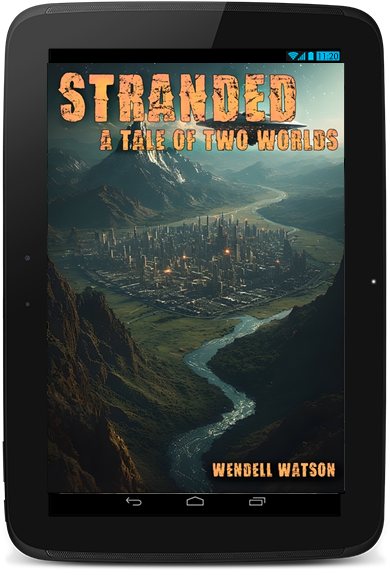

Private Investigations 2: A John Rourke detective Story (Private Investigations: John Rourke Private Detective Stories) Kindle Edition Book 2 of 3: Private Investigations: John Rourke Private Detective Stories by W. W. Watson (Author)  Format: Kindle Edition J
Book 2 of 3: Private Investigations: John Rourke Private Detective Stories
John Rourke is a private detective with contacts and a license to practice from New York to Arizona. He has the resources he needs across the country to find the information he needs to crack the toughest cases. Ex-cops, ex-Cons, snitches, stoolies, drug addicts, criminals, drug dealers and any kind of scum of the earth you can imagine or care to name. He knows the seedy side of life and to some people that makes him indispensable…

Book two:


My apartment, usually a sanctuary of quiet solitude, became a temporary forensic lab. The dining table transformed into a command center, littered with maps, photographs, financial records, and transcripts of intercepted phone calls. The air hung heavy with the scent of stale coffee and the lingering aroma of cheap takeout containers. Days bled into nights as I painstakingly organized the evidence, meticulously documenting every detail, creating a comprehensive narrative that would stand up to the scrutiny of the legal system… #BookWorm #Readers #KindleUnlimited #WWWatson #Crime #Noir #Mystery #PrivateEye


Home: https://www.wendellsweet.com