

eBook Sparrow Spirit – Fantasy “We settled into the sweat lodge and Benjamin began to tell me the legend of the Dreamer’s Way… What came to be known as the legend of the Sparrow.”
#mythology #DreamTravel #SpiritEvents #readers
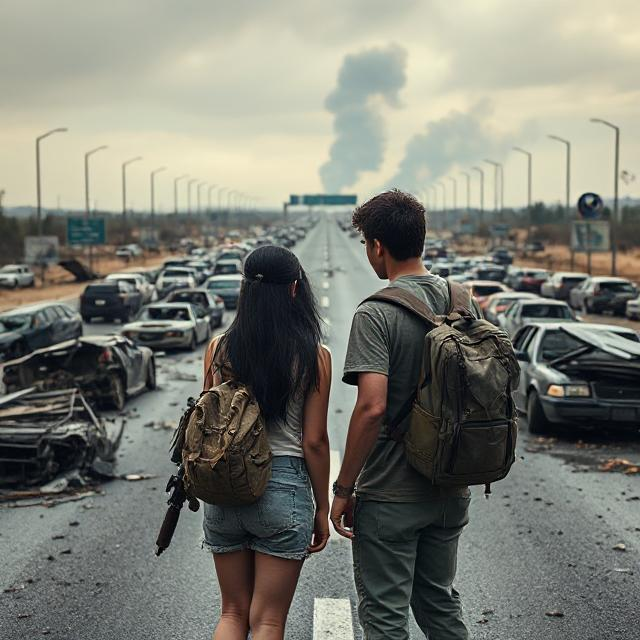
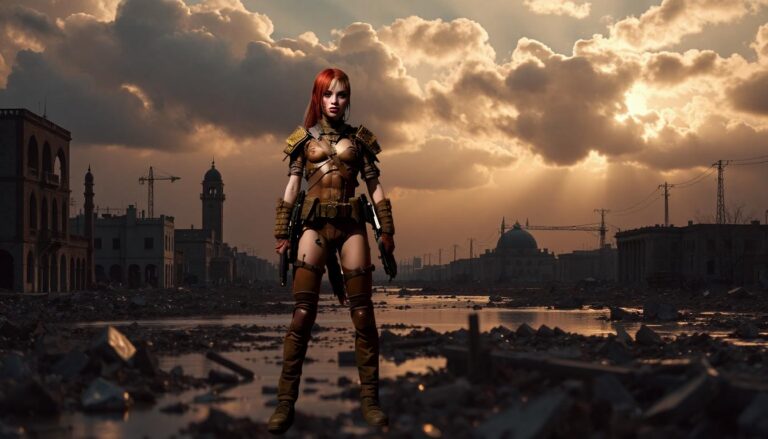
The end has come for most of the world’s population. Small groups of survivors are picking up the pieces… Learning to live again…
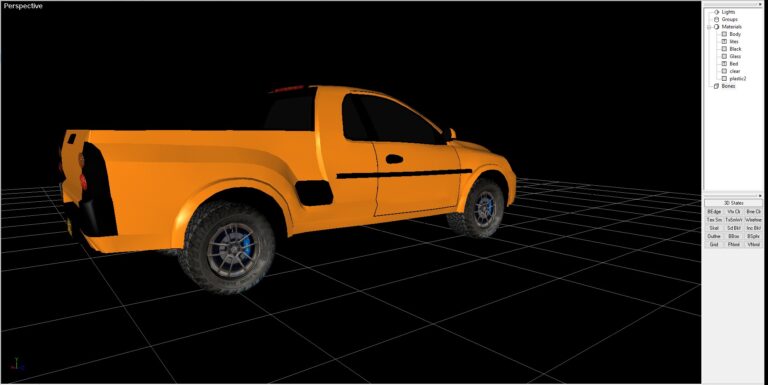
When the sun began to peek over the top of the ridge on the opposite shore of the Black River, everyone filed out to the two remaining trucks. It had been decided that Mike and Jan would stay behind while the others went in search of the stolen truck. They switched on and tested two sets of F.M. radios.
#Dystopian #ApocalypticFiction #Horror #Readers #BookLovers #KU #KindleUnlimited
Home: https://www.wendellsweet.com

Earth’s Survivors Apocalypse follows survivors of a worldwide catastrophe. A meteorite that was supposed to miss the earth completely, hits and becomes the cap to a series of events that destroy the world as we know it. Police, fire, politicians, military, governments: All gone. Hopes, dreams, tomorrows: All buried in a desperate struggle to survive.
#Dystopian #ApocalypticFiction #Horror #Readers #BookLovers #KU #KindleUnlimited
Home: https://www.wendellsweet.com

The Nation
The Nation: 01
Bear squatted and peered down at the girl and the boy for a few moments before he spoke again. “What do you think of her hand?”
Beth squatted beside him and looked down at the girl. She stood and shook her head. “I can’t tell. It looks like she’s turning. Turns black, you know, but just under the skin… like… like a spiderweb flowing out under their skin. Bad description, I know,” she finished.
#Dystopian #Apocalyptic #Thriller #Drama #Series #EarthsSurvivors #Survival
https://books2read.com/u/4jX0Mj
The Nation: 02
The sun, a weak, watery orb, struggled to pierce the perpetual gloom of the junkyard. Its rays, filtered through the grimy haze of industrial decay and the skeletal remains of rusted cars, cast long, distorted shadows that danced with the shuffling figures of the undead. This was their sanctuary, a chaotic landscape of twisted metal, shattered glass, and the lingering stench of decay – their home.
#Dystopian #Apocalyptic #Thriller #Drama #Series #EarthsSurvivors #Survival
https://books2read.com/u/3RrEXD
The Nation: 03
The rusty hinges of the dilapidated shack groaned a mournful protest as Bear pushed open the door, the scent of damp earth and decay clinging to the air like a shroud. Inside, Winston lay huddled beneath a threadbare blanket, his breathing shallow and ragged.
#Dystopian #Apocalyptic #Thriller #Drama #Series #EarthsSurvivors #Survival
https://books2read.com/u/31ZNJr
The Nation: 04
“Beth!” Billy screamed from behind her. “Right. Your right!” She had been just about to fire at the two zombies attacking Mac, and so even as she turned, she did not turn her pistol completely, but kept it aimed to the front towards Mac and the two zombies. By the time she registered how close the three zombies were to her, there was no time to turn the pistol and fire.
#Dystopian #Apocalyptic #Thriller #Drama #Series #EarthsSurvivors #Survival
https://books2read.com/u/4Dpvne
The Nation: 05
There were four of them outside the vehicles talking or keeping watch on the parking lot. Bear and Beth, Mac and Billy. When the first one dropped, Billy spun around and clubbed it to the ground. But the rest came so fast that they could not hope to easily and quickly pick them off.
#Dystopian #Apocalyptic #Thriller #Drama #Series #EarthsSurvivors #Survival
https://books2read.com/u/mlNvM9
The Nation: 06
Beth levered her arms down to scoot up in the bed and nearly banged the stump of her arm against the side of the bed before Cammy stopped her.
“Honey… Honey… Your arm. You have to be careful,” Cammy told her.
“Oh God,” Beth whispered through her dry lips as she stared down at the stump of her arm.
#Dystopian #Apocalyptic #Thriller #Drama #Series #EarthsSurvivors #Survival
https://books2read.com/u/md8ZwR
The Nation: 07
A crash came to his ears, but he could not tell if it was from the downstairs hallway. At least he hoped it was the downstairs hallway, not the stairs outside of their apartment, or, God forbid, even closer. He jumped from the tangle of blankets, started to pull his shoes on, and then reached for his machine pistol instead as another noise came from the hallway.
#Dystopian #Apocalyptic #Thriller #Drama #Series #EarthsSurvivors #Survival
https://books2read.com/u/mVkGn2
The Nation: 08
Things were crazy, and they seemed to be getting worse as the days rolled by. The police precinct was still burning. It had started sometime during the night two days before, and since there was no one to put the fire out, it had been raging for hours now. A few minutes ago, the roof of the building next door to the precinct burst into flames.
#Dystopian #Apocalyptic #Thriller #Drama #Series #EarthsSurvivors #Survival
https://books2read.com/u/b6d6JZ
The Nation: Collection One
The Nation Collection contains the first four books in one volume. Follow the survivors as they struggle to survive in a vastly changed world, where the living are just as likely to kill you as the dead are.
They navigated a maze of shattered streets, the buildings looming over them like skeletal giants. The air vibrated with a low, guttural hum…
#Dystopian #Apocalyptic #Thriller #Drama #Series #EarthsSurvivors #Survival
https://books2read.com/u/mYdNzG
The Nation: Collection Two
The Nation Collection Two contains the final four books in The Nation series in one volume.
The initial reaction was instinctual – fear and suspicion. But as they crept closer, the fear began to give way to a cautious curiosity. The group in the cellar was clearly as desperate as they were, as weary and worn as they felt…
#Dystopian #Apocalyptic #Thriller #Drama #Series #EarthsSurvivors #Survival

Before Candace could speculate, a low, guttural growl echoed from the far end of the depot, followed by the distinct sound of heavy boots crunching on gravel. It was a sound of human origin, but there was an aggression to it, a territoriality that sent a prickle of alarm through Candace.
“Someone else,” Elara whispered, her hand tightening on her pipe.
Candace nodded, her gaze fixed on the source of the sound. “And they don’t sound friendly.” She could see them now – a group of figures emerging from the gloom, their silhouettes indistinct against the muted light. They were armed, their weapons glinting dully. Their movements were coordinated, purposeful, suggesting a trained unit rather than a disorganized band of scavengers. #Dystopian #Apocalyptic #Epic #Survival #Amazon #Kindle #KU #Horror
Home: https://www.dellsweet.com
The collapse had been a swift, brutal amputation. The surge, a cataclysmic event that had not only silenced our digital world but had also plunged vast swathes of the planet into darkness and disarray. The immediate aftermath had been a blur of panic, of desperate attempts to comprehend the incomprehensible. The abstract threats of cyber warfare or economic collapse had been replaced by the terrifyingly concrete realities of starvation, disease, and the primal struggle for survival.
In the early days, the focus had been singular: survive. Find food, find water, find shelter. My technical skills, so vital in the old world, were largely useless. I learned to scavenge, to ration, to move with a stealth born of necessity. I learned the silence of the wilderness, the language of rustling leaves and snapping twigs.
But survival, I was discovering, was not an end in itself. It was a means to an end, a precarious foundation upon which something more must be built. It was a recognition that to truly survive, I needed to do more than just exist; I needed to be.
#Dystopian #Apocalyptic #Epic #Survival #Amazon #Kindle #KU #Horror
Home: https://www.dellsweet.com
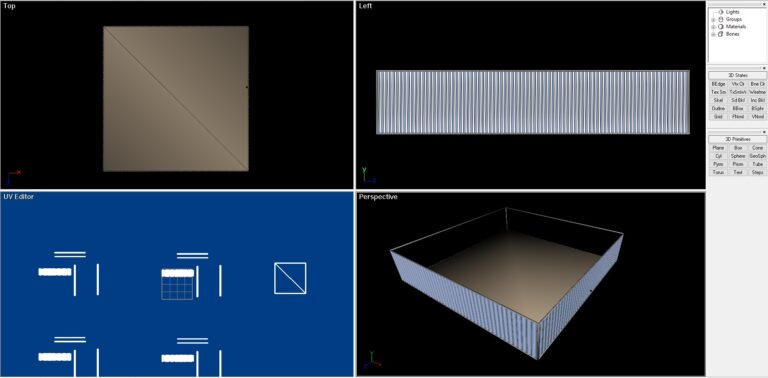
This is a home build using shipping containers as the base. I designed this and I would love to build it. It is a good use of the strength of the shipping container, the long steel wall structures designed to be stacked five high. This could be built very cheaply, a second or even a third floor added easily. #shippingcontainerhouse #SeaCan #shippingcontainerdesign
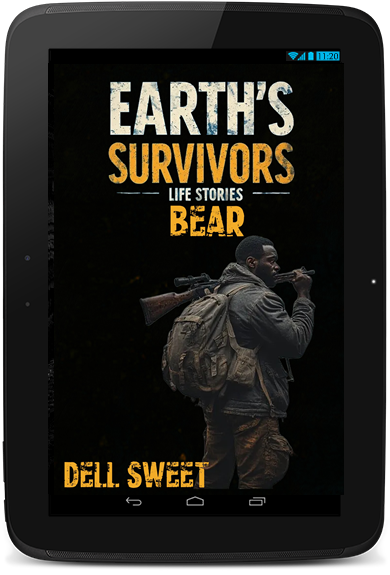
Earth’s Survivors Life Stories: Bear
This book begins at the beginning of the apocalypse and works through the first few months as Bear makes his way from Manhattan to New Jersey, Pennsylvania and then through the middle states and finally Kentucky where he meets Mike Collins and becomes a member of the fledgling Nation, founded by a group of survivors who believe they have found the perfect place to begin to rebuild society…
#Dystopian #Apocalyptic #Thriller #Drama #Series #EarthsSurvivors #Survival
https://books2read.com/u/4XVyjg
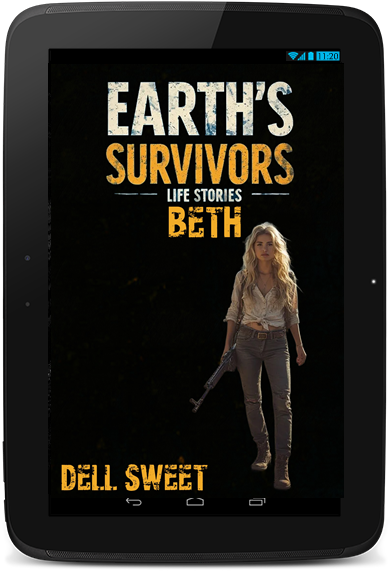
Earth’s Survivors Life Stories: Beth
Beth travels across the country with Billy, facing both the living and the dead as she makes her way from one coast to the other. The trip is long and she is holding out hope of structure, life, safety on the east coast: Hopes that may not be realized. Still they continue. Depending only upon one another as they struggle to make their epic journey…
#Dystopian #Apocalyptic #Thriller #Drama #Series #EarthsSurvivors #Survival
https://books2read.com/u/bwZ59e
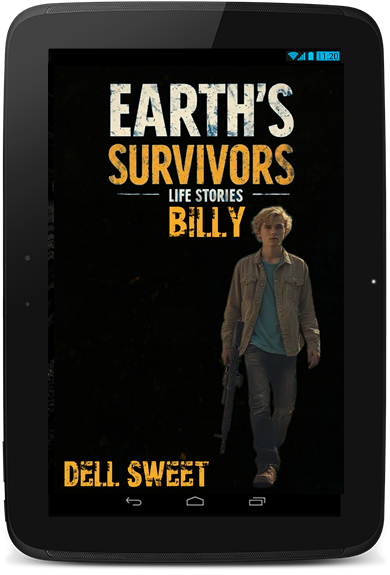
Earth’s Survivors Life Stories: Billy
He lay there for a long time, the rough, unfamiliar texture of the thin mattress an insistent reality against his skin. His body ached with a weariness that went beyond mere physical exertion; it was a soul-deep fatigue, a profound exhaustion born from the relentless weight of his own undoing. The remnants of his past now pressed down on him like the relentless sun…
#Dystopian #Apocalyptic #Thriller #Drama #Series #EarthsSurvivors #Survival
https://books2read.com/u/3L1P51
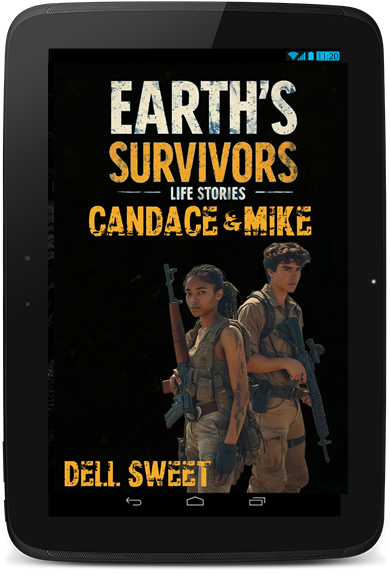
Earth’s Survivors Life Stories: Candace and Mike
Candace and Mike: The two most popular people from the Earth’s Survivors series. The extended book tells their story from their point of view; start to finish as they make their way through the apocalypse…
#Dystopian #Apocalyptic #Thriller #Drama #Series #EarthsSurvivors #Survival
https://books2read.com/u/m2W9KG
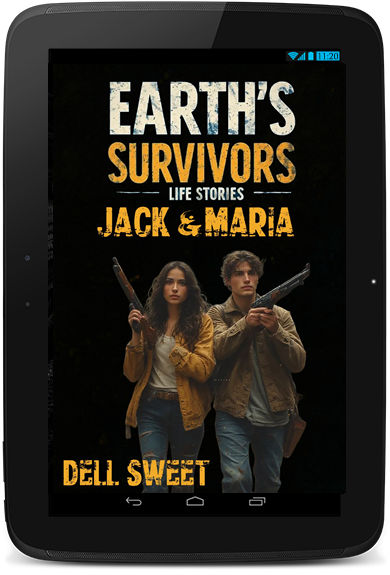
Earth’s Survivors Life Stories: Jack and Maria
The weight of his pack felt less like a burden and more like a promise. A promise of a few more days, a few more weeks, where the immediate threat of starvation was held at bay. A promise that he could continue to move, to explore, to survive.
The cacophony of the infected was not merely a byproduct of their existence. Maria, hunched over her worn journal in the meager light of her shelter…
#Dystopian #Apocalyptic #Thriller #Drama #Series #EarthsSurvivors #Survival
https://books2read.com/u/mZn9gE