A young man slowly spirals down into madness, but he takes his favorite book with him. The book about the end of the world…. The book he is obsessed with…
He started to see things. Faces in the shadows, whispers in the wind, the ghostly echoes of his victims. He’d initially dismissed them as the effects of alcohol withdrawal, but they grew more vivid, more menacing. He was no longer alone in his self-imposed exile; he was surrounded by the ghosts of his past, his own personal hell. #Horror #Readers #Amazon #Kindle #KU #Thriller
Aleister Crowley (1875–1947) was an English occultist, ceremonial magician, poet, and mountaineer who founded the religious philosophy of Thelema. He called himself “the Great Beast 666” and embraced a provocative public image that earned him the tabloid label “the wickedest man in the world.” Crowley was a member of the Hermetic Order of the Golden Dawn before breaking away to develop his own system, heavily influenced by his 1904 Cairo experience where he said a spiritual entity named Aiwass dictated The Book of the Law. The central tenet of Thelema is “Do what thou wilt shall be the whole of the Law. Love is the law, love under will,” which Crowley interpreted as discovering and following one’s True Will. He wrote extensively on mysticism, yoga, and magic — which he spelled “magick” to distinguish it from stage illusion — including works like Magick in Theory and Practice and The Book of Thoth. His influence shows up all over 20th-century counterculture, from rock musicians to modern occult movements, even though he died in poverty and relative obscurity in Hastings, England.
The rise of the horror genre provided a particularly fertile ground for Crowley’s influence to manifest. Films that explored themes of witchcraft, devil worship, and demonic possession often drew upon the popular imagery associated with figures like Crowley. While he may not have been explicitly named, the archetype of the charismatic, dangerous occultist, the master of dark arts, owes a significant debt to the media’s sensationalized portrayal of Crowley.
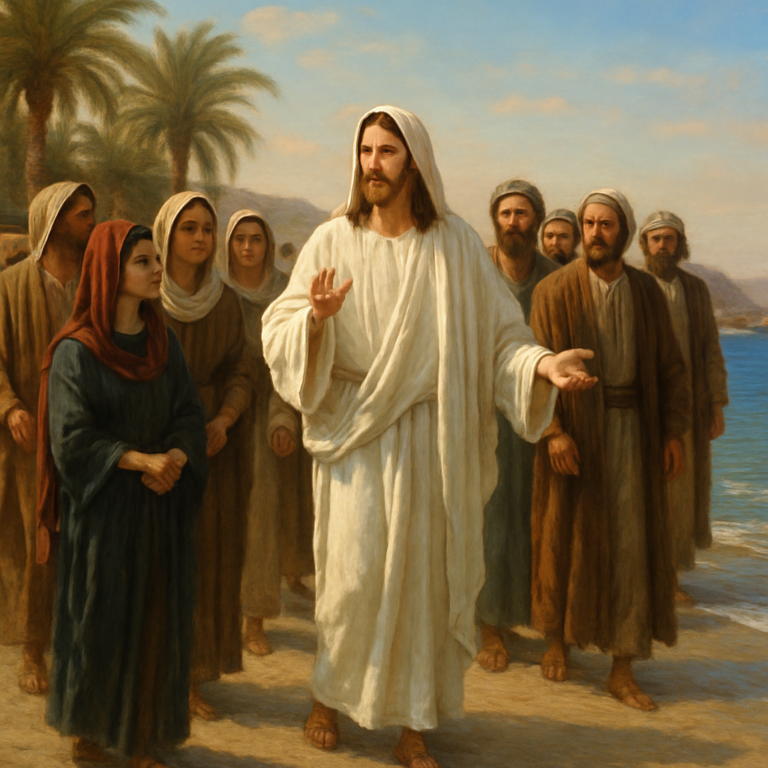
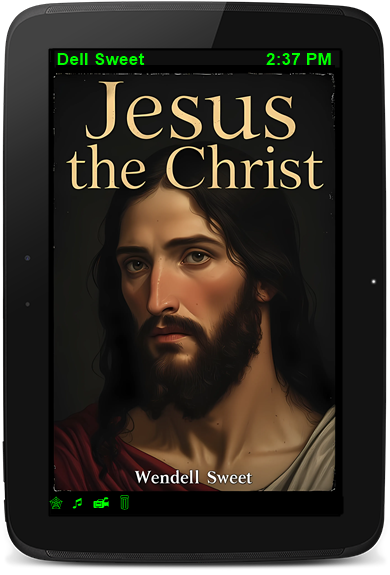
This book is based on the actual gospel of Mary the Magdalene:
The Gospel of Mary Magdalene was first discovered in the late 19th century, with the most important surviving fragment found in 1896. This fragment, known as the Berlin Codex (Papyrus Berolinensis 8502), was discovered near Akhmim in Upper Egypt and purchased in Cairo by German scholar Carl Reinhardt www.gnosis.org. It was later taken to Berlin, where it was preserved and eventually published in 1955 www.gnosis.org. In addition to the Berlin Codex, smaller fragments of the text were found in the Oxyrhynchus Papyri in Egypt, with the earliest Greek fragment (Papyrus Oxyrhynchus L 3525) dating to the early 3rd century Wikipedia. These discoveries revealed that the Gospel of Mary existed in both Greek and Coptic versions and was part of a Gnostic manuscript collection. Scholars generally date the composition of the Gospel of Mary to the second century AD, though some place it slightly earlier Wikipedia. It is not considered one of the four canonical Gospels and reflects Gnostic theological ideas rather than the mainstream Christian narrative Bible Hub.
Theological implications of Mary Magdalene’s role in the Gospel of Mary are profound and have been a source of considerable debate. The Gospel of Mary places a woman at the forefront of spiritual revelation and transmission. #religion #Christianity #history #WendellSweet religion, Christianity, history, Wendell Sweet
This re-evaluation does not necessitate a rejection of the canonical Gospels, but rather a richer, more contextualized reading of them, informed by the wider spectrum of early Christian literature. It means understanding that the “orthodox” narrative that eventually prevailed was not the only narrative at play in the 1st and 2nd centuries. #religion #Christianity #history #WendellSweet religion, Christianity, history, Wendell Sweet
This book is based on the gospel of Mary the Magdalene as well as other gospels:
The first centuries of Christianity involved major debate over which books belonged in the New Testament canon. Generally, books widely believed to be the earliest accounts about Jesus made it in, while others were labeled apocryphal. Some of those rejected texts were actively suppressed and now exist only as fragments or references in writings that condemned them. Early canon lists also differed from today’s: Revelation was disputed by some, while the Shepherd of Hermas was accepted by others and even appears in Codex Sinaiticus after Revelation. Different traditions had their own variations. The Syriac Peshitta originally excluded 2 Peter, 2 John, 3 John, Jude, and Revelation, leaving a 22-book canon cited by John Chrysostom and Theodoret. Western Syrian churches added those five books later, though some Eastern churches still use lectionaries based on the original 22. The Armenian Apostolic Church sometimes included 3 Corinthians and didn’t accept Revelation into its Bible until around 1200 CE. In a patriarchal society it was easy to suppress the gospel of Mary among other texts that did not fit the narrative the church wished for.
The ‘Sea Wanderer,’ their forty-foot sloop, was more than just a vessel; it was their sanctuary, their laboratory, and their chariot to a world unknown. Years of meticulous planning had gone into her outfitting, every piece of equipment chosen for its reliability and suitability for long-distance cruising. Solar panels were integrated into the deck’s design, promising a sustainable source of power, while a robust water filtration system was a testament to their commitment to self-sufficiency. Their stores were a carefully curated blend of practicality and foresight, reflecting Sarah’s talent for organization and Mark’s insistence on preparedness. They had even managed to pack a small, yet promising, hydroponic garden kit, a hopeful nod to their landlocked life and a potential source of fresh greens should their culinary adventures on the ocean prove less bountiful. #Ocean #Sea #Adventure #Shipwrecked #eBooks #Kobo #SciFi #Fantasy
John Dillinger was born on June 22, 1903, in Indianapolis, Indiana, to John Wilson Dillinger Sr. and Elizabeth “Lizzie” Wilson. His early life was marked by tragedy when his mother died in childbirth when he was just four years old. His father remarried, but John’s relationship with his stepmother was strained. He grew up in a grocer’s store where his father worked and was known to be a bit of a troublemaker as a child.
Dillinger’s life of crime began early. At 21, he was arrested for theft and sentenced to 10-20 years in prison. During his time at the Indiana State Prison in Michigan City, he befriended several other notorious criminals, including Homer Van Meter and Harry Pierpont. These relationships would later shape his criminal career.
After serving nine years, Dillinger was paroled in 1933. However, he soon returned to crime, committing a series of bank robberies across the Midwest. His exploits earned him the nickname “Public Enemy No. 1” from the FBI. Dillinger’s notoriety grew, and he became a folk hero of sorts, with many people sympathizing with his actions against banks, which were seen as symbols of the economic hardship of the Great Depression.
One of the most significant figures in Dillinger’s life during this period was Polly Hamilton, a young woman he met while still in prison. She became his girlfriend and visited him regularly during his incarceration. Their relationship continued after his release, and Polly often accompanied Dillinger on his robberies.
Another crucial figure in Dillinger’s life was Anna Sage, also known as “Woman in Red.” Sage, a Romanian-American woman, had her own criminal record and became involved with Dillinger. She played a pivotal role in his eventual demise. Sage, who had been in trouble with the law and was facing deportation, agreed to cooperate with the FBI in exchange for leniency on her own charges. She lured Dillinger to the Biograph Theater in Chicago, where he was watching a movie, promising him a night out.
On July 22, 1934, outside the Biograph Theater, FBI agents ambushed Dillinger as he left the movie. Sage, wearing a red dress that would become infamous, was with him. The FBI agents, led by Melvin Purvis, had been informed of Dillinger’s presence by Sage. As Dillinger attempted to draw his gun, he was shot multiple times. He died shortly after, at the age of 31.
Dillinger’s life of crime and his eventual death captivated the nation. His exploits were widely covered in the media, and his legend grew as a result. Despite his notoriety, Dillinger’s actions were often romanticized, and he became a symbol of rebellion against the system.
Interestingly, Dillinger’s criminal career was marked by several close calls and narrow escapes. He was known for his brazen robberies and his ability to evade capture. However, his relationship with Anna Sage ultimately proved to be his downfall.
The Biograph Theater, where Dillinger met his end, still stands in Chicago and has become a piece of American history. Visitors can see the theater and learn more about the events that transpired there. Dillinger’s legacy continues to fascinate people, and his story remains one of the most infamous in American crime history.
In the years following Dillinger’s death, the FBI’s reputation grew significantly, and Melvin Purvis became a national hero. However, the role of Anna Sage in Dillinger’s death has been the subject of much debate. While some view her as a traitor, others see her as a pragmatic woman who made difficult choices to save herself.
Dillinger’s impact on popular culture is undeniable. He has been the subject of numerous films, books, and documentaries. The 1945 film “Dillinger” and the 1973 film “Dillinger” starring Warren Oates are just a couple of examples. More recently, the 2009 film “Public Enemies” directed by Michael Mann and starring Johnny Depp as Dillinger, brought his story to a new generation.
John Dillinger’s life was a complex mix of tragedy, crime, and notoriety. From his early days in Indianapolis to his eventual death in Chicago, his story is a fascinating and cautionary tale of the allure and consequences of a life of crime. Despite the passage of time, Dillinger’s legend endures, captivating audiences and reminding us of the darker side of the American Dream.
Dillinger’s robberies often involved careful planning and execution. He and his gang would meticulously plan each heist, using stolen cars and guns to carry out their crimes. Dillinger’s brazen nature and charm made him a compelling figure, both to the public and to those who knew him personally.
The FBI’s pursuit of Dillinger was relentless. Led by agents like Melvin Purvis…
The King is dead, the headlines screamed. A hard, hard day. But, what if the king wasn’t dead? What if the king just got fed up with all of it and called it quits…
The quiet cadence of Aaron’s days was rarely broken by external disruptions. His hermitage in the bayou was, by design, an exercise in profound isolation. Yet, the world, like an persistent tide, would occasionally lap at the shores of his self-imposed exile. These intrusions were not of the dramatic, attention-grabbing variety that had once defined his existence. Instead, they arrived as fleeting whispers, carried on the humid air or snagged by the errant radio waves that sometimes pierced the dense foliage surrounding his cabin. #Mystery #ElvisPresley #Whatif #KU #Kindle #Readers #DellSweet
The newfound resources provided a small measure of comfort, but the shadow of suspicion and mistrust lingered, a constant threat to their already precarious existence. They had survived the attack, but the war within Rapid City had only just begun, a war fought not with guns and blades, but with suspicion, betrayal, and the relentless erosion of trust. The fight for survival, once focused on the undead hordes, had shifted to a more insidious adversary – human nature itself. Their journey toward survival was far from over; the road ahead remained treacherous, fraught with uncertainty, a path paved with the ghosts of betrayal and the chilling reality of their world. The scars of the conflict, both physical and emotional, would serve as a constant reminder of the brutal price of survival.
The silence that followed was a heavy thing, pressing down on them like the weight of the snow accumulating on the rooftops of Rapid City. The air, thick with the metallic tang of blood and the acrid stench of death, seemed to suffocate them. Even the rhythmic drip, drip, drip of melting snow from a broken pipe felt amplified in the oppressive quiet, each drop a morbid metronome marking the passage of time in this ravaged world.
Gary stared at his hands, the calluses and grime a stark reminder of his own brutality. He’d killed men before – the undead, mostly – but these deaths felt different. These were men he’d once considered friends, colleagues in the desperate struggle for survival. The faces of Silas’s followers haunted him – the wide-eyed terror of the young man, the grim resignation of the older ones. He had taken lives, and the weight of those actions settled heavily on his conscience, a crushing burden that no amount of practical necessity could ever fully alleviate.
Anya, her face pale and drawn, leaned against a crumbling wall, her breath coming in ragged gasps. The crude spear she clutched, still stained with blood, seemed to tremble in her grip. The strength she’d displayed during the fight, the unexpected surge of primal fury, had deserted her. The reality of her actions, the stark brutality of killing another human being, was beginning to settle upon her like a suffocating blanket.
Robert, ever the pragmatist, began to systematically gather the remaining supplies. He moved with an almost ritualistic precision, collecting the weapons, ammunition, and the meager rations Silas had stashed away. The efficiency was stark, almost clinical, a stark contrast to the raw emotion that consumed Gary and Anya.
The journey back to Rapid City was arduous, the weight of their shared experience heavier than the snow under their boots. The landscape, once simply a hostile environment, now felt imbued with the ghosts of their actions, a macabre landscape mirroring the turmoil within their hearts. The wind howled, a mournful keening that seemed to echo their own inner struggles. Each step was a testament to their resilience, but also a painful reminder of the moral compromises they had made.
The relative safety of Rapid City’s makeshift walls offered little solace. The community, once a beacon of hope in a desolate world, was fractured, the sense of shared purpose and collective survival threatened by suspicion and fear. The news of Silas’s betrayal and the bloody confrontation spread like wildfire, each whispered conversation adding fuel to the already raging fire of distrust. Long-held alliances were questioned, loyalties tested, and the very fabric of their society began to unravel.
Stephen King is a master of horror, renowned for his spine-chilling tales that have captivated readers and viewers for decades. Born to a Scots-Irish ancestry, King developed an interest in horror and science fiction at a young age, fueled by his readings of classic horror authors like H.P. Lovecraft and Edgar Allan Poe. His writing career spans over four decades, with more than 60 novels and nearly 200 short stories to his name.
Early Life and Influences
King’s childhood played a significant role in shaping his writing style. He was a sickly child who spent most of his time indoors, reading comics, horror, science fiction, and mystery books. This led to the development of his imagination and storytelling skills. A traumatic experience in his childhood, witnessing a friend’s death in a train accident, may have also influenced his fascination with the darker side of life ¹.
Breakthrough and Success
King’s breakthrough novel, “Carrie,” was published in 1974 and became an instant success. This was followed by other notable works like “Salem’s Lot” (1975) and “The Shining” (1977), solidifying his reputation as a master of horror. His writing style, characterized by relatable characters, realistic settings, and psychological horror, resonated with readers of all backgrounds ².
Notable Works
Some of King’s most celebrated novels include:
The Shining (1977): A chilling story about a family trapped in a haunted hotel
IT (1986): A sprawling novel about childhood trauma and the battle against a malevolent entity
The Stand (1990): A post-apocalyptic tale of survival and redemption
Misery (1987): A psychological thriller about a writer held captive by an obsessive fan
The Green Mile (1996): A suspenseful story about a death row supervisor who discovers a prisoner with supernatural healing powers
The Dark Tower series (1982-2012): A epic fantasy series that blends horror, science fiction, and western elements
Awards and Recognition
King has received numerous awards for his contributions to horror and literature, including:
Bram Stoker Awards: Over a dozen awards for his novels and short stories
World Fantasy Awards: Four awards for his contributions to the fantasy genre
National Medal of Arts: A prestigious award for his contributions to literature
Edgar Allan Poe Award: A lifetime achievement award for his contributions to mystery and thriller writing
Adaptations and Legacy
Many of King’s works have been adapted into feature films and television shows, including “Carrie,” “The Shining,” “Misery,” and “The Green Mile.” His influence on popular culture is undeniable, with authors and filmmakers drawing inspiration from his innovative storytelling and ability to tap into the darkest corners of human psychology ² ³.
Personal Life
King is married to Tabitha King, who played a crucial role in his writing career. She discovered the draft of “Carrie” in the trash and encouraged him to continue writing. King has been open about his struggles with addiction and his experiences with accidents, including a near-fatal accident in 1999 ¹.
Favorite Films
King has shared his love for films, revealing his top ten favorite movies, which include ⁴:
Les Diaboliques
Duel
The Autopsy of Jane Doe
The Blair Witch Project
Crimson Peak
Late Night with the Devil
Stephen King’s legacy as a master of horror continues to inspire new generations of readers and writers. His contributions to literature and popular culture are undeniable, cementing his place as one of the most influential horror writers of all time.
Some horror writing for you to check out:
Whispers in the Hollow
The email arrived on a Tuesday, nestled amongst press releases about a new city ordinance and a celebrity chef opening a pop-up restaurant. Its subject line, “Assignment: Blackwood Creek Disappearances,” was bland enough to be ignorable, but Clara’s editor, a man who subsisted on a diet of caffeine and sensationalism, had flagged it with a rare “URGENT” and a single, emphatic exclamation mark. Just another ghost story peddled by a town desperate for attention, or perhaps a clever cover for something far more mundane, yet equally grim, like serial killings or human trafficking… #Horror #Readers #KU #DellSweet #Thriller #Mystery #Kindle
Witches Bend
Seven friends break down on Witches Bend. An area spoke of in whispers because of the horrors that are believed to be there. But horror cannot touch you if you don’t believe in it… True? Maybe not in this horror thriller that celebrates all of the horror genre. The car is dead. As of now, they are not. But the coming hours may change that completely. It may, in fact change that forever… #Horror #Paranormal #Thrtiller #Splatter #Gore #BHorror #Readers
The Wastelands series – Prophet X
The Wastelands are the ruins of America after the biggest extinction event in 75,000 years hit the planet Earth. Billions of people died, those that didn’t had no help because the governments, military all crumbled and fell apart.
But a virus was born during the destruction and bred in the billions of bodies. A virus that reanimates the dead. Some believe the world governments released it, some believe it was developed and nurtured by nature, just an occurrence that was bound to happen. It wouldn’t be the first time that the human race was nearly toppled by a virus, after all. Meet the survivors and their daily struggels to stay alive as they make their way through the destruction in search of other survivors, food, and water… #ApocalypticFiction #Horror #Readers #ProphetX #SameWolfe #ZombieFiction
Earth’s Survivors Apocalypse follows survivors of a worldwide catastrophe. A meteorite that was supposed to miss the earth completely, hits and becomes the cap to a series of events that destroy the world as we know it. Police, fire, politicians, military, governments: All gone. Hopes, dreams, tomorrows: All buried in a desperate struggle to survive.
The end has come for most of the world’s population. Small groups of survivors are picking up the pieces… Learning to live again…
When the sun began to peek over the top of the ridge on the opposite shore of the Black River, everyone filed out to the two remaining trucks. It had been decided that Mike and Jan would stay behind while the others went in search of the stolen truck. They switched on and tested two sets of F.M. radios.
The end has come for the Earth. The forces of nature have aligned, echoing the cataclysms of the past, and a devastating event looms, one that will leave only a fraction of humanity.
The Rise of the Neanderthals: A Journey Through Human Prehistory
The story of the Neanderthals, or Homo neanderthalensis, is a captivating chapter in the human saga, a tale of a resilient and intelligent hominin species that thrived in the challenging landscapes of Ice Age Eurasia for hundreds of thousands of years. Far from the brutish, simple-minded caricatures of early portrayals, modern archaeology and genetics have revealed them to be a sophisticated and adaptable people, with a history of development and cultural innovation that parallels our own. Their “rise” is not one of global conquest, but rather the story of a lineage that successfully carved out a niche in a harsh, fluctuating environment, becoming the dominant hominin population in their territory long before the arrival of modern humans.
The lineage of the Neanderthals likely diverged from our own shared ancestor, Homo heidelbergensis, approximately 400,000 to 500,000 years ago. While our own ancestors remained in Africa, the ancestors of Neanderthals migrated into Europe and parts of Asia. It was in these northern latitudes, marked by recurring glacial periods and extreme cold, that the Neanderthal form took shape. This prolonged period of isolation and evolutionary pressure led to a distinct set of physical adaptations that set them apart from their African contemporaries. Their robust, stocky bodies, with their broad shoulders and large ribcages, were built for strength and stamina, well-suited for grappling with large prey and enduring the strenuous demands of their lifestyle. Perhaps their most striking feature, the prominent brow ridge and a large, wide nasal cavity, are believed to be specific adaptations for surviving the frigid air, helping to warm and humidify the air they breathed.
For a vast period of prehistory, the Neanderthals were the masters of their domain. From the windswept plains of Iberia to the dense forests of Siberia, they developed a complex tool-making industry known as the Mousterian. Unlike the simpler tools of their predecessors, Mousterian technology involved the systematic preparation of stone cores to create precise, sharp flakes that could be fashioned into a variety of tools—scrapers for hides, spear points for hunting, and knives for butchery. This sophisticated approach demonstrates a level of forethought and planning that challenges old notions of their cognitive abilities. Their mastery of the landscape extended to hunting, where they were highly effective predators. Evidence suggests they hunted a wide range of animals, from small game to formidable megafauna like woolly mammoths, bison, and rhinos, often using close-quarters ambush tactics that required immense strength and courage.
Beyond their material culture, mounting evidence suggests that Neanderthal society was far from primitive. Archaeological finds have revealed the use of fire for warmth, cooking, and light, and the construction of complex shelters, hinting at a settled lifestyle during certain periods. They cared for their sick and elderly, as evidenced by skeletons of individuals who survived severe injuries or disabilities long after they should have been able to fend for themselves. This compassionate behavior speaks to a strong social fabric and communal support system. There is even a growing body of evidence for symbolic thought and ritualistic behavior. A number of sites show that Neanderthals practiced burial of their dead, and although the exact meaning is debated, it implies a level of abstract thinking about life and death. The discovery of eagle talons fashioned into jewelry, ochre pigments used for body paint or decoration, and even the deliberate arrangement of stalagmites in a cave in France all point to a world of symbolic expression that was once thought to be exclusive to modern humans.
The story of the Neanderthals takes a dramatic turn with the arrival of modern humans, Homo sapiens, into Europe and Asia, beginning approximately 45,000 years ago. For thousands of years, the two hominin groups coexisted, sharing the same landscapes, competing for the same resources, and, as genetic studies have shown, interbreeding. The discovery that most modern non-African humans carry between 1 and 4 percent Neanderthal DNA revolutionized our understanding of our shared past. It confirmed that the two populations not only lived side-by-side but also had intimate encounters that left a lasting genetic legacy.
The eventual disappearance of the Neanderthals from the fossil record around 40,000 years ago remains one of the greatest mysteries in paleoanthropology. A number of theories have been proposed, and it is likely that a combination of factors led to their decline. Climate instability, a succession of rapid warming and cooling events, may have stressed their specialized adaptations. Competition with the newly arrived Homo sapiens for resources, particularly large game, may have also played a role. While the two groups coexisted, modern humans had a number of advantages, including more flexible and complex social networks, more advanced projectile hunting technology, and possibly a more varied diet. Instead of a violent confrontation, the most widely accepted hypothesis suggests a gradual process of assimilation and demographic pressure, where the smaller Neanderthal populations were slowly absorbed and out-competed by the more numerous and technologically diverse Homo sapiens.
In conclusion, the Neanderthals were not a biological dead-end, but a highly successful and sophisticated branch of the human family tree. Their rise was a testament to their incredible ability to adapt and thrive in a hostile world. While their physical form may have faded from existence, their legacy lives on, both in the enduring questions surrounding their final years and, most tangibly, in the fragments of their genome that persist in our own DNA. Their story is a powerful reminder that our past is more interconnected and complex than we once believed, and that our own journey is only a part of a much larger, shared human history.
Check out this historical fiction that paints a clearer picture of those ancient peoples…
A Promise across Ancient Terrains
In the ancient past, a cro magnon girl child was born and promised in marriage to a distant related tribe. She has come of age, sixteen and will now be escorted across several hundred miles of wilderness to her soon to be mate in the distant tribe.. Hunters and a medicine woman will accompany her. Once there she will begin her new life and face whatever lies ahead for them… #Prehistoric #CavePeoples #CroMagnon #Readers #HistoricalFiction
Jaquan: Child of the Neanderthals
A young Neanderthal girl is orphaned in a brutal attack and left to survive on her own. This is her story of how she survived, set on the European continent 45,000 years ago… #Readers #BookLovers #BookWorms #HistoricalFiction #DellSweet #Neanderthal
The Bone Clan: Kindle Edition
A loss for the clan starts three members on a search to find a new home for their people…
The ancient clan in prehistoric Europe, 85,000 years ago, faced a devastating attack that forced them out of their high stone shelter. With many losses, particularly among the young and elderly, they realized the crucial role fire played in their survival. The strongest members of the clan took charge and decided to send out hunters to retrieve fire from a new source, while the rest of the clan remained behind, anxiously awaiting the return of their life-sustaining flame…
The Demise of Fire The Clan hurriedly escaped through the treacherous night. Overwhelmed by pain and exhaustion, they felt defeated in the face of catastrophe: the Fire had perished. They had diligently tended to the glowing embers within three enclosures ever since the Fire had initially brought the Clan together as a community. The Fire had united them with its comforting warmth and safeguarding presence. Vigilantly, four women and two warriors nourished the flickering flames day and night. Even during the bleakest moments, they cherished the flame, providing it with whatever it required to sustain itself. They shielded it from harsh downpours, sheltered it from violent storms, elevated it above the floodwaters, and cradled it while crossing rivers and swamps. The Fire never let them down. In the morning, it sported a blue tail, transforming into a crimson streak as the encompassing darkness of night descended upon them. Its enchantment repelled the black lion and the yellow lion, the cave bear and the gray bear, the mammoth, the tiger, and the leopard—its fiery jaws defended them against a vast and perilous world. All happiness emanated from its comforting heat. It carried the aroma of sizzling meat, hardened the tips of spears, and fractured solid stones. Its lively flames exuded a delightful warmth. It provided solace to the fearful horde amidst the foreboding forests, across the boundless savannah, and within the deepest recesses of dank and dripping caverns. It was the Father, the Guardian, the Savior—yet it possessed a ferocity and terror greater than even the mammoths when it escaped its confines and voraciously consumed the trees, ravenous and roaring!
The Beatles are widely regarded as one of the most influential and successful bands in the history of popular music. Formed in Liverpool, England in 1960, the band consisted of John Lennon, Paul McCartney, George Harrison, and Ringo Starr. They are known for their innovative music, cultural impact, and iconic style.
Early Years The Beatles’ origins date back to 1956 when John Lennon formed a skiffle band called The Quarrymen. Paul McCartney joined the band in 1957, followed by George Harrison in 1958. The band went through several lineup changes before settling on Lennon, McCartney, Harrison, and Pete Best on drums. In August 1962, Ringo Starr replaced Best, completing the iconic lineup.
Rise to Fame The Beatles’ breakthrough came in 1962 when Brian Epstein, a local record store owner, became their manager. Epstein secured a record deal with Parlophone, and the band released their debut single, “Love Me Do,” in October 1962. The song’s success led to appearances on British television and radio, and their popularity grew rapidly.
In 1963, the Beatles released their first album, “Please Please Me,” which topped the UK charts. Their subsequent albums, “With the Beatles” (1963) and “A Hard Day’s Night” (1964), solidified their position as a dominant force in British music.
International Success The Beatles’ impact soon extended beyond the UK. In February 1964, they appeared on the Ed Sullivan Show in the United States, marking a pivotal moment in their career. Their music, style, and charisma captivated American audiences, and they quickly became a global phenomenon.
The Beatles’ innovative music incorporated various genres, including rock and roll, folk, classical, and psychedelia. Their experimentation with studio techniques, instrumentation, and songwriting pushed the boundaries of popular music. Albums like “Rubber Soul” (1965), “Revolver” (1966), and “Sgt. Pepper’s Lonely Hearts Club Band” (1967) showcased their artistic growth and creativity.
Cultural Impact The Beatles’ influence extended far beyond music. They played a significant role in shaping 1960s culture, fashion, and politics. Their music addressed themes of love, peace, and social commentary, resonating with a generation of young people seeking change.
The Beatles’ iconic style, from their haircuts to their fashion sense, was emulated by fans worldwide. Their music videos, films, and television appearances further cemented their status as cultural icons.
Musical Evolution The Beatles’ music evolved significantly over the years. From the early days of rock and roll and skiffle, they progressed to more complex and experimental sounds. The band’s psychedelic era, marked by albums like “Revolver” and “Sgt. Pepper’s Lonely Hearts Club Band,” showcased their innovative use of studio techniques and instrumentation.
The Beatles’ later work, including the albums “The White Album” (1968) and “Abbey Road” (1969), demonstrated their continued creativity and experimentation. The band’s final public performance, on the rooftop of Apple Records in January 1969, marked the end of an era.
Breakup and Legacy The Beatles disbanded in 1970, with each member pursuing successful solo careers. John Lennon’s introspective and politically charged music, Paul McCartney’s melodic and eclectic work, George Harrison’s spiritual and introspective songs, and Ringo Starr’s distinctive drumming style all contributed to their enduring legacy.
The Beatles’ impact on popular music is immeasurable. They have influenced countless artists, from The Rolling Stones to Radiohead, and continue to inspire new generations of musicians. Their music remains timeless, with songs like “Yesterday,” “Hey Jude,” and “Let It Be” becoming an integral part of our shared cultural heritage.
Inducted into the Rock and Roll Hall of Fame in 1988, The Beatles’ legacy extends beyond their music. They played a significant role in shaping the course of popular culture, and their influence can be seen in art, fashion, film, and politics.
The Beatles’ music and cultural impact continue to captivate audiences worldwide. Their legacy serves as a testament to the power of creativity, innovation, and collaboration. As a cultural phenomenon, The Beatles remain an integral part of our shared history, inspiring new generations to explore their music and legacy.
Musical Innovations The Beatles were pioneers in studio recording techniques. They experimented with multitrack recording, tape loops, and sound effects, pushing the boundaries of what was possible in the recording studio. George Martin, their producer, played a crucial role in shaping their sound and innovative productions.
The Beatles’ use of orchestral instruments, classical guitar, and Eastern musical influences added depth and complexity to their music. Their experimentation with psychedelic sounds, tape loops, and reverse recording techniques created a unique sonic landscape.
Impact on Society The Beatles’ music and cultural impact played a significant role in shaping the 1960s counterculture movement. Their songs addressed themes of peace, love, and social commentary, resonating with young people seeking change.
The Beatles’ influence extended beyond music to fashion, art, and politics. They popularized the “mop top” haircut, mod fashion, and psychedelic art. Their music and style inspired a generation of young people to challenge traditional values and norms.
In conclusion, The Beatles’ impact on popular music and culture is immeasurable. Their innovative music, iconic style, and cultural influence continue to captivate audiences worldwide. As a testament to their enduring legacy, The Beatles remain one of the most beloved and influential bands in the history of popular music.
Their music, style, and cultural impact continue to inspire new generations of artists, musicians, and fans. The Beatles’ legacy serves as a reminder of the power of creativity, innovation, and collaboration, cementing their place as one of the most iconic and influential bands in history.
The Beatles’ story is a testament to the transformative power of music and art. From their humble beginnings in Liverpool to their global success, The Beatles’ journey is a reminder that music has the power to unite, inspire, and transcend generations. Their legacy continues to shape the music industry and popular culture, ensuring their impact will be felt for generations to come.
With their innovative music, iconic style, and cultural impact, The Beatles have left an indelible mark on history. Their influence can be seen in the many artists they have inspired, the music they have created, and the countless fans they have touched. The Beatles’ legacy is a reminder of the enduring power of music to shape our lives, our culture, and our world.