I thought about entitling this what the Hell is wrong with me but I don’t like to get too dramatic. Even so, there is something wrong with me. I just don’t seem to see things the same way as other people do. For instance, just before I sat down to write this I turned the channel to a movie channel to listen to movies while I work. Pathetic, I know, but I do it every night. The T.V. Is behind me so I have to turn to see it. So, I don’t. I just listen. But, sometimes it’s so good that I do turn to watch for a second and I’m usually disappointed. Well, tonight I turned the channel and there was a sports show just ending, and one of the commentators turned to the screen and Said “We want to thank you for tuning in.”
“Really,” I asked?
He didn’t say anything. I guess we would all be surprised if he did. But, I continued… “I didn’t tune in. I hate your show! I wouldn’t watch it if you paid me.” He did seem to flinch a little at that but the T.V. Went to commercial with no further incident… Not that there could have been one. I’m just saying…
Anyway, my point is, I do not like sports the way other men do. Several times in my life other men have stopped and looked at me like…. “Whoaaa, what’s up with this dude.” or “Did you play with dolls when you were a kid?” I learned early in my life that it is unmanly to say you do not like sports, or hint it, or not know the answer to a sports question. It’s just not allowed. Since I was young I had to go along with it, even so I couldn’t always keep up the facade. Occasionally someone would trip me up…
“So, what did you think of Babe Ruth?”
“Oh… Babe Ruth… It’s a damn good candy bar,” I answered.
He looked at me funny and I knew I screwed something up, but, eventually he laughed, I went home and asked my little Brother who Babe Ruth was, a hockey player? (My brother is a Hockey fanatic) “Sure… Sure… A hockey player,” my little brother tells me. That was payback for all the mean things I had done to him.
As I got older I’d pick a little and ask guys why they didn’t just give both teams a ball and send them home, I mean, wasn’t the point to get the ball? And didn’t they seem to take an awful long time to get it? And wouldn’t it be easier to just give them a frigging ball of their own? Wouldn’t it. That didn’t win me any points, and then, in ninth grade, I decided to not major in smoking behind the school that year and I took Home Economics instead.
My life as a social outcast was short lived though. I got kicked out of Home economics and went back to majoring in smoking behind the school. Then, voila, it hit me. Maybe not liking sports was… was… I couldn’t make the connection though. I had probably burned out too many brain cells smoking joints behind the school instead of cigarettes. Too bad, if I could have only made the connection I may have been able to see that real men need sports in their lives as much as they need to fart and burp… (Some men, not all men.). And sports lends a well rounded social adaptation you just can’t get any other way. I remember so many times at work some guy would say… “So, what do you think about those Dodgers?” And I would say, “Oh… Well they ought to go to jail…(Then, because it’s manly to swear and cuss), Frigging A! They ought to, those bastards!” Another potential social connection missed. Another opportunity to be a success in society missed.
At an early age I did decide to make a concession. I decided that I would watch Stock Car Racing. That was a sport. That would be my sport! It would solve everything. But no. Footballers, Baseballers, All those other ballers (It’s all games where you play with balls, right? … I’m just saying…) they don’t all believe that stock car racing is a real sport… What? So, I had managed to like the one sport that wasn’t really a sport. What was wrong with me? I just didn’t know.
As I grew up and went to prison I realized that I had to be honest with myself about my shortcomings when it came to sports if I ever hoped to break the cycle and stop going back to prison. My whole life was in ruin. Virtual ruin. So I sat down and examined it and realized that I was uncomfortable with the games. I paid attention, I took notes, and I realized that I had some prejudices and hangups concerning the way the game was played. And, I plain didn’t understand the rules. So I took a closer look at them. And wrote down the ones that really confused me:
#1. Did you pat the other guy on the Ass after he made a basket/home run/touchdown or before?
#2. Did you grab your junk whenever you wanted to or only when people were watching?
#3. Did you cry only in a strong emotional circumstance like your coach retiring, or could you cry if you just had a bad day, or the dog crapped on your new carpet?
#4. If you patted a guy on the Ass more than once did it mean you had to buy him dinner?
I learned these are not questions you ask other men in prison.
After I got out of the infirmary, I tried to figure these questions out on my own after watching my sport for awhile, but I only became more confused.
In NASCAR, nobody pats anyone on the Ass. At least not in public (Tony Stewart excepted but he’s nuts anyway). I’ve seen dozens of finishes and never once have I seen the other drivers run up and pat the winner on the Ass. Not Once. There are no balls to play with. None. The drivers never grab their junk in front of the cameras, and if anyone cries, why one of the other drivers will just beat him up! Even the women drivers don’t cry, and, I’m pretty sure they don’t play with dolls either.
After much thought I decided these things:
#1. I’m not patting any guy on the Ass whether it’s a game or not, and if one pats me on the Ass there’s going to be trouble.
#2. I will only grab my junk when no one’s watching.
#3. If I feel an urge to cry I will remind myself that it could be worse. I could be a footballer and some sweaty, three hundred pound guy could be patting me on the Ass all of the time…
*******
Okay. That’s it for this week. Check out my book series. I’ll be back next week…
Earth’s Survivors Apocalypse follows survivors of a worldwide catastrophe. A meteorite that was supposed to miss the earth completely, hits and becomes the cap to a series of events that destroy the world as we know it. Police, fire, politicians, military, governments: All gone. Hopes, dreams, tomorrows: All buried in a desperate struggle to survive.
Get this book free Friday August 1st, 2025, until Tuesday August 5th, 2025
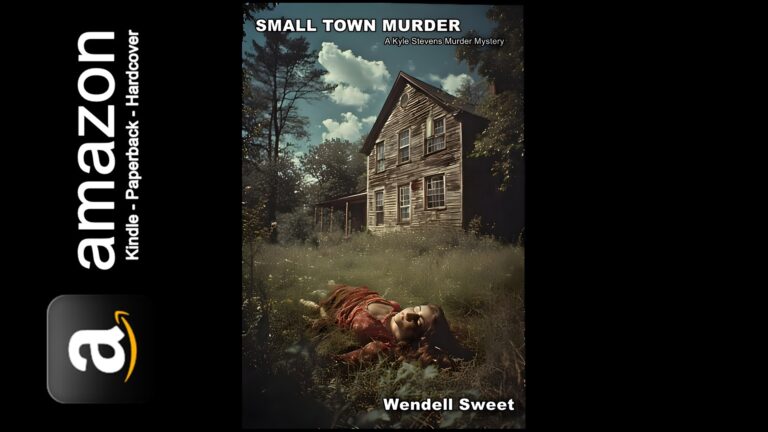
The Criminal Intentions books are collections of short stories, some short some nearly novel length that I have combined together in this collection for you to enjoy, Dell.
In this collection are the following short stories: PRIVATE INVESTIGATIONS – A GOOD PLAN – BLACKNESS OF THE SOUL – THE LAST TAXI RIDE – DELLO GREEN – THE ACCIDENT – THE MAN WHO NEARLY TOOK MY LIFE – THE STORY OF THE MEXICAN – WHEN THEY TRIED TO KILL ME
An excerpt from the short story The Accident:
I lay breathing heavy, trying to calm my racing heart. The dream had been so vivid, so real. I had held her and it had felt so good so real so right. She had turned to me and I had opened my eyes and really seen her. Seen what I was holding. A rotting corpse. She was coming closer, holding me, her hands suddenly clutching harder, trying to drag me down into the grave she stank of.
I was covered with sweat, but my heart slowed and I got myself up and made it to the shower.
The Criminal Intentions series are collected short crime fiction in each book that I have gathered together to present to the reader, Dell.
Short Stories in this collection:
HAPPY HOLIDAYS – THE TALE OF LIV – THE TRIP – HOOD RATS – THE PHONE CALL – CHEATING AND DEATH – SANTOS – HARROWS
An excerpt from the short story: The Story of Liv
For fifteen long minutes, Liv stood outside in the chilly, pre-dawn rain. Fifteen minutes felt like an eternity when the craving hit. Time stretched endlessly, with every clock and watch in the world ticking away the moments. Finally, she began testing the doors. The front and back doors were locked. She hadn’t considered the garage door, but eventually decided to try it. To her surprise, it was unlocked, although the lock was badly damaged, causing her to hesitate.
I found myself sitting in a prison counseling session, grappling with the memories of my past when the topic turned to a particularly haunting incident. I had touched on it earlier in the book, but now, in the sterile environment of the counseling room, it felt as if the shadows of that day were creeping back into my consciousness. It began while I was in the dayroom at a maximum-security prison—Clinton Correctional, a facility notorious for its hardened inmates and grim atmosphere.
To be honest, I couldn’t recall exactly why I had chosen to spend my time there. I had always hated the TV rooms; they were breeding grounds for conflict. I had my own cell and a personal television, which allowed me to escape the chaos that often erupted over the flickering screen. I had seen too many fights break out over what to watch, and even worse, I had witnessed guys getting stabbed over trivial arguments about television shows. So, it baffled me that I found myself in the dayroom that particular day, surrounded by the cacophony of voices and the flicker of the TV.
As I sat there, lost in thought, the atmosphere shifted. News broke that the State Police had arrested a man—a man who had committed dozens of heinous murders. He was a monster, preying on young men, kidnapping them, subjecting them to unspeakable horrors, and then brutally murdering them. The details were chilling, and the gravity of the situation weighed heavily on everyone in the room.
Then, as if the universe conspired to bring the past crashing back into my present, I looked up and locked eyes with a figure across the room. My heart stopped. There he was—the very man who had tried to take my life all those years ago. The realization hit me like a freight train, and for a moment, time seemed to freeze. I was rendered speechless, my mind racing as I grappled with the flood of emotions surging through me.
Memories of that fateful day rushed back, vivid and raw. I could feel the adrenaline coursing through my veins, the terror of facing someone who had once held my fate in his hands. The man who had once haunted my nightmares was now mere feet away from me, a living reminder of the darkness I had fought so hard to escape.
In that moment, a whirlwind of thoughts swirled in my mind. How had it come to this? How had I ended up in the same room as my would-be killer, in a place designed for rehabilitation? The irony was almost too much to bear. I felt a mix of anger, fear, and disbelief wash over me, and I struggled to maintain my composure.
As I sat there, I realized that this encounter was more than just a coincidence; it was a twisted intersection of our lives, a moment that had the potential to redefine both of our narratives. I had survived, and he was still trapped in a cycle of violence and horror.
The counselors continued to speak, their voices a distant hum as I remained locked in this surreal confrontation. I couldn’t shake the feeling that this was a pivotal moment, a chance to confront the past and reclaim my narrative. I had endured so much, and now, faced with the man who had once sought to destroy me, I felt a spark of defiance igniting within me.
In the weeks that followed, I would grapple with the emotions stirred by that encounter. It forced me to confront not only my past but also the choices I had made and the person I had become. I was determined to emerge from this experience stronger, to take control of my life, and to ensure that the darkness of my past would not dictate my future.
As I navigated through the complexities of my emotions, I realized that this encounter had the potential to be a turning point—a moment that could propel me toward healing and empowerment. I vowed to harness the strength I had gained from my struggles and to use it as a foundation for the life I wanted to build. The man who nearly took my life had become a catalyst for my transformation, and I was ready to embrace the next chapter of my journey.
I finally snapped back to reality and realized that the counselor was speaking directly to me. I had been so lost in my thoughts that I hadn’t even registered her words until that moment. I always made it a point to pay attention during these sessions; after all, I recognized the importance of the time I was investing in myself. Sincerely, I thought to myself, when in hell would I ever get this kind of opportunity to focus on my own growth again? The answer was clear: never.
I understood, just like anyone who has spent time in the game, that if I didn’t take serious action now, I would inevitably walk out of prison and fall right back into the same destructive patterns. What kind of safety net did I have to keep me from slipping back into that life? I had no woman in my life who might disapprove of my choices and help steer me away from the temptation to return to the streets. I had no legitimate job waiting for me on the outside. The reality was stark: counseling was crucial for me, and I was determined to make the most of it.
I committed myself fully to the process, investing genuine time and effort into my sessions. I answered questions with honesty—real honesty, not the kind of fabricated truth I had grown accustomed to in the game, where I would twist my words and recycle the same lies I had told before. This was actual, raw honesty, and it was tough to do. It felt like peeling back layers of myself I had long buried, exposing vulnerabilities I had spent years trying to shield from others.
As I engaged with the counselor, I could feel her probing deeper into my psyche. She was relentless but compassionate, and I found myself apologizing for having drifted off during the session. The focus of our conversation shifted to that incident—the one that had haunted me for so long. I could see that she was genuinely interested, and I wasn’t the only one. About six other convicts leaned forward, eager to hear my story. Some of them were likely hoping that my confession might somehow benefit their own situations, a potential “get out of jail free card” depending on how the narrative unfolded.
I had faced a similar dynamic in the past when I shared my life experiences with Christian inmates whom I genuinely wanted to help. More than once, I had seen someone make a beeline for their lawyer after a Christian fellowship or an AA meeting where I had spoken. I had grown accustomed to this environment and, honestly, I didn’t care. What mattered to me was the opportunity to confront my past and share my truth, regardless of the motivations of those listening.
So, I took a deep breath and plunged into the story, laying bare the details of that fateful day—the fear, the chaos, the moments of clarity that followed. I spoke about the man who had nearly taken my life and the impact that encounter had on my journey. As I recounted my experience, I could feel the weight of the past lifting, piece by piece. It was liberating to share my truth, to confront the demons that had haunted me for so long.
The atmosphere in the room shifted as I spoke; the other inmates hung on my every word, some nodding in understanding, others with expressions of empathy. I realized that my story wasn’t just mine—it resonated with their struggles, their own pasts, and the battles they faced daily. It was a reminder that we were all in this together, navigating the complexities of our lives, trying to find a way out of the darkness.
By the time I finished, I felt a sense of catharsis wash over me. It wasn’t just about recounting my story; it was about taking ownership of it. I was no longer a passive participant in my life. I was actively shaping my narrative, and that realization empowered me in ways I had never anticipated. Counseling had become more than just a requirement—it was a lifeline, a chance for redemption, and an opportunity to reclaim my future.
As the session came to a close, I felt a flicker of hope igniting within me. I was on a path toward transformation, and I was ready to embrace whatever came next.
WHAT WENT DOWN
I found myself standing in the shadow of a doorway on Lyell Avenue, watching the traffic roll by in a hazy blur. The air was thick with the scent of rain, and I could feel the droplets slowly transforming into snowflakes, creating a thin layer of white on the pavement. I was high—mixed with speed and booze, I was pretty well shot. My mind felt like it was drifting in and out of focus, and I knew all too well the unspoken rules we lived by on the streets if we wanted to stay alive. One of the most important was simple: if you were messed up, don’t go for rides.
It was a hard lesson learned through experience. If you had to move, you needed to keep some of your fellow street people close. If you decided to get into a car, you made sure they parked it and stepped out first. It was a way to minimize risk; if they wanted to do something harmful, they could. If they wouldn’t or didn’t want to, then you had to cut your losses and move on. It was a harsh existence, but it was the reality we faced each day.
As I stood there, watching the rain slowly turn into snow and pile up on the street, my mind began to wander. I was lost in thought when I noticed a car pass by twice—a Plymouth Fury. The sight of that car sent a jolt of recognition through me. It was the same kind of vehicle that the cops drove back then, and it had a familiar, ominous presence. My instincts kicked in, and I felt an uneasy knot form in my stomach.
When the car stopped abruptly, and the driver motioned for me to come over, my heart raced. I could see from my vantage point that it looked like a cop car on the inside, too. The dashboard glowed with the telltale lights and equipment that screamed authority. I could hear the crackle of police radio squawking in the background, dispatch chatter filling the air with a sense of urgency. A CB radio was also on, adding to the chaotic noise that reverberated through the vehicle.
I took a cautious step forward, my mind racing with thoughts of what might happen next. The driver was an unkempt man with a rough exterior, his face partially obscured by the shadows. There was a thermos in the cup holder that I assumed was filled with coffee, and next to it sat a large cooler. I didn’t give the cooler a second thought at the moment; my focus was solely on the driver and the situation unfolding before me.
As I approached, I felt the cold air biting into my skin, heightening my awareness of the potential danger. My instincts screamed at me to be careful, to remember the rules I had lived by for so long. The streets were unforgiving, and I had seen too many people get caught off guard, their lives turned upside down in an instant.
“Hey, you looking for a ride?” the driver called out, his voice gruff and edged with something I couldn’t quite place—was it desperation or something more sinister? I hesitated for a moment, weighing my options. I wanted to say no, to turn around and walk away, but the allure of escape tugged at me. I was tired of standing in the cold, tired of the uncertainty that surrounded my every move.
But the rules were clear, and I had to think fast. I glanced around, making sure no one else was watching. The streets were mostly empty, the snowfall creating an eerie silence that settled over everything. My heart pounded in my chest as I took a step closer to the car, trying to read the situation.
“Look, man, I need to get somewhere fast,” the driver insisted, his impatience evident. I could see the tension in his posture, an urgency that made me even more wary. I wanted to ask him questions, to probe deeper into his intentions, but I didn’t want to show any signs of weakness.
“Where you headed?” I finally asked, trying to maintain a casual demeanor while my mind raced with possible outcomes.
“In a hurry, man, just get in,” he replied, waving me over again, the impatience in his voice growing.
I stood there, torn between the desire for warmth and safety and the instinct to protect myself. I could feel the weight of my choices pressing down on me, the realization that I was on a precipice. If I went forward, I could be stepping into a trap. If I walked away, I faced the cold isolation of the streets.
In that moment, I knew I had to make a decision. It was the age-old gamble of street life—a choice that could either lead to freedom or further entrapment. As the snow continued to fall around me, I took a deep breath, preparing myself to either walk away or step into the unknown. The stakes were high, and I had to trust my instincts to guide me through the uncertainty.
I made the choice to get in. My mind was in a fog, and I couldn’t make sense of what he had said to me. The truth was, I had decided that he was a cop. It was a gut instinct, one that told me if I didn’t comply with whatever he wanted, he would find a way to mess with me for a long time. I couldn’t afford to take chances like that; I had to think about my survival on the streets after this night.
“Grab a beer if you want to,” he said, motioning toward the cooler that sat between us. I hesitated for a moment, unsure if I wanted to accept anything from this man, but curiosity got the better of me. I opened the cooler—or maybe he did; the details were hazy in my mind. Sure enough, I was met with a jumble of ice cubes, water, and beer cans bobbing around like little islands in a sea of cold liquid.
I remember shaking my head and turning him down. “No thanks,” I said, my voice barely above a whisper, but it didn’t seem to matter much. The heat radiating from the car’s interior was overwhelming, wrapping around me like a thick blanket. It made my head spin, and I felt lightheaded as the warmth seeped into my bones.
As I sat there, I could feel my eyelids growing heavy. I tried to focus on what he was saying, but his words were muffled and indistinct, swirling together in a haze that I couldn’t quite grasp. The combination of the warmth inside the car and the alcohol still lingering in my system was starting to take its toll. I could feel myself slipping away, my thoughts drifting into a fog.
In a matter of seconds, the world around me started to fade. I closed my eyes, and I wasn’t sure if I was falling asleep or losing consciousness altogether. It felt like I was floating between two worlds—the chaotic reality of the street and the creeping comfort of oblivion. The last thing I remember was the sound of his voice, distant and echoing, as I succumbed to the darkness that enveloped me.
In that moment, I felt a strange mixture of fear and relief. Fear of the unknown, fear of what might happen next, but also a sense of relief that I could finally escape the relentless grip of reality, even if just for a moment. The car became a cocoon, shielding me from the cold and the chaos outside. I had no idea what lay ahead, but for now, I was adrift in a sea of blackness, unaware of the choices that would shape the course of my life.
As I drifted deeper into that void, I couldn’t shake the nagging feeling that I had made a grave mistake by getting into that car. But it was too late to turn back now; I was trapped in a situation I couldn’t fully comprehend. Whatever awaited me in the depths of my unconsciousness was a mystery, one that I would have to face when I finally emerged from this stupor. Whatever the outcome, the night was far from over, and my journey had just begun.
When he picked me up, it was early evening, the sky painted with hues of orange and purple as the sun made its descent. I remember the warmth of the car enveloping me, but that comfort quickly faded into a hazy oblivion. When I finally came to, it was early morning, and the world outside the window had transformed. We were stuck in traffic, ensnared in the grip of a snowstorm that had brought everything to a halt. The muffled sounds of honking horns and frustrated drivers created an eerie symphony of chaos, but inside the car, an unsettling silence loomed.
I blinked a few times, trying to shake off the remnants of sleep, and that’s when I noticed him. He was positioned in the driver’s seat, his attention focused on something I couldn’t quite decipher. It took a few moments for my mind to clear, but within seconds, I realized with growing dread that he was trying to tie my hands. Panic surged through me as I began to assess the situation. We were stopped in traffic, surrounded by cars, but no one could see what was happening inside our vehicle.
Instinct kicked in, and I attempted to move my feet, only to discover that they were already tied. The realization hit me like a jolt of electricity. I had been so disoriented that I hadn’t even sensed the restraints. In a moment of desperation, I braced one leg against the seat and quickly lifted the other, aiming to knee him in the face. My mind raced from confusion to clarity in an instant, a shift from “What the hell is happening?” to “Oh, no—this is really bad.”
Adrenaline surged through my veins, sharpening my senses and heightening my awareness. I felt bile rise in my throat, a nauseating mix of fear and instinctual fight-or-flight response. I tugged at my hands, trying to pull them free, but it was no use; the bindings were too tight. In that moment, I realized I had to fight back. I did the only thing I could think of—I headbutted the guy square in the jaw.
The impact wasn’t as powerful as I had hoped, but it was enough to catch him off guard. His grip loosened momentarily, and I took advantage of that split second. I yanked my hands free with a painful rope burn, the friction stinging my skin, but I didn’t care; I needed to escape.
With a surge of determination, I sprang to my feet, my heart racing as I scrambled to undo the bindings on my legs. I could see his surprise morph into anger, but I was already moving. I flung open the passenger door and stumbled out into the chaos of the snowstorm. The ground was slick with slush, and I slipped and slid as I tried to regain my balance.
The biting cold hit me like a slap in the face, but I didn’t have time to think about it. I was fueled by adrenaline and sheer will to survive. Behind me, I could hear him cursing, the sound of the car door slamming shut and the engine revving as he tried to pursue me. I took off, my feet moving instinctively, navigating the treacherous terrain as I darted between the cars that were also stuck in the storm.
With each step, I felt the weight of fear begin to lift, replaced by a fierce determination to get away. The snow continued to fall around me, thick and heavy, but I was focused on one thing: escaping. I could feel the icy wind biting at my skin, but the need to survive drowned out everything else. I was free, and I wasn’t looking back.
It would have been great if that had been the end of the story. In my mind, that’s how I wanted it to play out. I had written about the incident, capturing the essence of that chaotic night, and in my narrative, it felt like a neat conclusion. I hadn’t intended to be evasive or dishonest; I simply expressed what I felt at the time. The way I portrayed it, it seemed like I had managed to escape, to break free from the clutches of that harrowing experience.
After the group session ended, I returned to my cell, a small sanctuary amid the chaos of prison life. I picked up my guitar, letting the familiar strings soothe my frayed nerves. As I strummed out a few chords, the music wrapped around me like a warm blanket, offering a temporary respite from the memories that threatened to resurface. I read a book, losing myself in the words and stories that transported me far away from my reality. The hours passed quietly as I navigated my evening alone, a solitary figure in the dim light of my cell until lockdown settled in.
Truthfully, there was a sense of comfort in the sound of the cell doors slamming shut, a metallic finality that signaled the end of the day. It was a reminder that I was safe, at least for the moment. It took a long time to drift off to sleep that night, my mind replaying fragments of the past, but eventually, exhaustion overtook me, and I slipped into a restless slumber.
The following morning, the day began as it always did, marked by the unmistakable sound of the cell door creaking open with its familiar metallic slam. I was used to this routine; it was a sound that heralded a new day, yet somehow felt like a prison in itself. I could still feel the remnants of the previous night’s turmoil lingering at the edges of my consciousness, but I was determined to push those thoughts aside.
I made my way to the mess hall, my stomach growling in anticipation of the morning meal. As I walked, I felt the weight of the memories begin to slide away, like water trickling off a duck’s back. I focused on the mundane details of daily life in prison, the clatter of trays, the low hum of conversations, and the shuffling of feet across the cold concrete floor.
I was still processing everything, but with each step, I found a little more clarity. The chaos of the night before faded slightly, replaced by the routine of my surroundings. I took a seat at one of the long tables, surrounded by other inmates who were absorbed in their own conversations and struggles. I joined them in the ritual of sharing a meal, the simple act of eating together providing a sense of normalcy that I desperately craved.
As I sat there, I realized that I had the power to reshape my narrative. While the memory of that night would always be a part of me, I didn’t have to let it define who I was moving forward. I could choose to focus on the present, on the small moments of joy and connection that existed even within these walls.
The snowstorm had passed, and a new day was dawning, one filled with possibilities, no matter how small. With that thought in mind, I took a deep breath and embraced the day ahead, ready to face whatever challenges came my way, one step at a time.
The next day arrived without a group session, a welcome relief. I headed to the yard with determination, ready to channel my energy into working out hard. I pushed myself to the limits, lifting weights and running laps until I could feel the burn in my muscles, a physical exhaustion that drove the chaos of the previous days right out of my head. I needed that release, that catharsis that came from the sweat and effort, a way to escape the mental turmoil that had been plaguing me.
But as the sun dipped low on the horizon and the day turned to night, I knew the next day would bring group again. I have to admit, it lingered in my mind as I walked into that room. There was a knot of anxiety twisting in my stomach, but I reminded myself that I shouldn’t have been worried. Group sessions didn’t happen two days in a row; it was someone else’s turn to share their struggles, not mine. I felt a small wave of relief wash over me, allowing me to breathe a little easier.
However, that sense of comfort didn’t last long. Just as the last inmate took her seat, the other female counselor walked in, her expression serious as she shut the door behind her. I felt a chill run through me as she turned to face the group. “So,” she began, her tone clipped and direct, “I understand you had a breakthrough on Monday in group… and I read what you wrote. But we’ve discussed this before and, in that context, this makes no sense at all.”
Confusion washed over me. I had no idea what she was talking about. My mind raced as I scrambled to piece together what she meant. The other counselor I had spoken to earlier chimed in, her voice cutting through the tension like a knife. “The knife. You’ve told us before that you carried a knife in your boot at all times. Not sometimes… So, tell me, when you got your hands free, why didn’t you stab this guy?”
Her words hit me like a gut punch, leaving me momentarily speechless. I was floored, my mind racing as I tried to process what she was asking. The room fell into an unsettling silence, the weight of her question hanging heavily in the air. No one spoke to fill the void; no fellow inmate attempted to change the subject or rescue me from the spotlight. All eyes were on me, and I felt the pressure mounting.
Finally, with no choice but to respond, I took a deep breath, my heart pounding in my chest. “I… I didn’t think about it,” I stammered, my voice barely audible. “I was just trying to get free. I didn’t have time to think about anything else.”
“But you had a weapon,” she pressed, her gaze unwavering. “You had the means to protect yourself, to fight back. Why didn’t you use it?”
I could feel the heat rushing to my cheeks, a mix of shame and frustration bubbling beneath the surface. “It all happened so fast,” I replied, my voice gaining strength. “I was caught off guard. I didn’t want to believe that it was happening. I thought I could talk my way out of it or find another way. It was like I froze.”
The other inmates shifted in their seats, some nodding in understanding, while others looked on with a mixture of curiosity and judgment. The counselor’s expression softened slightly, but she didn’t relent. “You need to understand that you have power in those moments. You can’t let fear paralyze you. You have to fight back.”
Her words struck a chord deep within me, resonating with the struggles I had faced on the streets and in this prison. I knew she was right; I had to reclaim that sense of agency, that power to defend myself. But the reality of those moments was complicated, laden with fear and confusion.
“I get that now,” I said, my voice steadier. “But in that moment, I just wanted to survive, to get away. I didn’t think about the knife.”
As I spoke, I felt a flicker of determination igniting within me. I recognized that this conversation was part of my journey, a necessary step toward healing and reclaiming my narrative. It wasn’t just about the knife or the escape; it was about acknowledging my fears, my past, and learning how to face them head-on.
“I didn’t finish the story…” I began, my voice tinged with hesitation. “I left it hanging because I didn’t want to delve into the details. And honestly, it’s complicated. I mean, I’m in prison now. If I had stabbed that guy, I could be facing charges. I might never see the outside world again.”
For a moment, the room fell silent, the weight of my words hanging in the air. The first counselor looked at me, her expression unreadable, while the second counselor finally spoke up. “But you were defending yourself,” she said, her tone firm yet compassionate. “You had every right to act. You woke up to this guy tying you up, likely intending to rape or kill you…”
“Get it out,” the first counselor urged, her voice steady, pushing me gently but firmly to confront the memories I had been avoiding.
It was one of those moments in therapy where I found myself caught in a struggle, questioning whether I was being played or genuinely helped. After a moment of internal debate, I decided to embrace the discomfort and let it all spill out. I took a deep breath, steeling myself for the memories that were about to resurface.
“He got me,” I confessed, the words tumbling out. “He lunged across the seat and grabbed me. I was in a state of panic while he seemed completely calm, almost unfazed by the chaos. He held me there, and then he gunned the engine, speeding right into one of those turnarounds where the cops park on the interstate to catch people speeding. That was when it hit me—we were on the interstate. That realization sent a wave of dread crashing over me as he drove into the turnaround, and the highway disappeared behind us, swallowed by the night.”
I could feel the tension in the room as I recounted the details, the other inmates listening intently. “That’s when I finally started to fight back,” I continued, my voice stronger now, fueled by adrenaline and the memory of that night. “But he was stronger than I anticipated. I managed to get the door open, and we both spilled out onto the slush-covered turnaround, throwing punches and slipping around like we were on ice. It was chaotic.”
I paused for a moment, allowing myself to relive the struggle. “I don’t know if he had a weapon, but I assumed he did. My gut instinct told me that he was reaching into his jacket for something. That thought shot through my mind like a bolt of lightning, and as he came at me, I remembered that I did have a weapon—I had a knife hidden in my boot.”
The words hung in the air, and I could see the counselors processing what I had just revealed. It felt liberating to finally voice the fear, the uncertainty, and the desperation of that moment. I was no longer just a victim in my own story; I was reclaiming my narrative, confronting the reality of that night and the choices I had made.
“It was like a switch flipped in my mind,” I said, my heart racing at the recollection. “In that moment, I was no longer just trying to survive. I was ready to fight back, to take control of the situation. I reached down, pulled out the knife, and prepared myself for whatever came next.”
The counselors nodded, their expressions a mix of empathy and encouragement. I could see that they understood the gravity of what I was sharing. This wasn’t just a story; it was a pivotal moment in my life, one that had shaped who I was and how I viewed the world.
I stabbed him. I’m absolutely sure of it. I felt the blade connect with his jacket, and I’m convinced it penetrated deep enough to reach his upper chest or shoulder area. The moment the knife made contact, it was as if time slowed. I could see the shock in his eyes, and he was gone just that fast. Whatever was concealed in his jacket remained there, untouched, but he didn’t react as if I had injured him. Instead, he backed off, his demeanor shifting as the realization hit him.
I took a step back, my heart racing, and watched as he turned and climbed back into that car, which had looked so much like a cop car in the dim light of the night. A wave of uncertainty crashed over me, but I knew I had to act quickly. I turned my back on him and bolted into the woods that separated the two sides of the interstate highway.
Once I was among the trees, I felt a mix of adrenaline and fear coursing through my veins. It seemed like I spent hours wandering through those woods, though I couldn’t be sure how much time had passed. I kept moving, heading in what I hoped was either south or north, desperate to put distance between myself and that nightmare. Each step took me further from the chaos, but the weight of what had just happened pressed heavily on my mind.
When daylight finally broke, I stumbled out of the thicket and found myself back on the side of the interstate. The scene was eerily still; traffic was stalled, and the slush from the snowstorm had turned into a heavy, icy mess. I felt frozen, both physically and emotionally, as I surveyed my surroundings. The world felt surreal, like I was watching it unfold from a distance, disconnected from reality.
But then I spotted a diner just off the interstate, its neon sign flickering invitingly. A mix of dread and hope washed over me. What if he was there? What if he had followed me? The thought sent a chill down my spine, but I quickly reasoned with myself. If I had truly injured him, he wouldn’t be lurking in a diner; he’d be somewhere getting patched up, nursing his wounds.
Despite my fear, I knew I had to take the chance. I couldn’t remain out in the cold, exposed and vulnerable. I steeled myself, took a deep breath, and approached the diner. Each step felt like a leap into the unknown, a step toward reclaiming my life after the chaos of the night before. As I crossed the threshold of the diner, the warmth enveloped me, a stark contrast to the icy grip of the world outside.
Inside, I scanned the room, looking for any sign of him. The familiar sounds of sizzling food and clinking dishes surrounded me, and I took a moment to gather my thoughts. I was alive, and I had fought back. Whatever lay ahead, I was determined to face it head-on. It was time to confront the aftermath of my actions and figure out what my next steps would be in this tumultuous journey of survival.
As I stumbled through the trees, a sense of paranoia gripped me, and I couldn’t shake the feeling that I kept seeing that car creeping along the interstate. Every rustle of leaves and snap of twigs made my heart race. I don’t know if it was a figment of my imagination or if it was truly there, lurking just out of sight, but the thought of it sent chills down my spine. The woods felt suffocating, and I couldn’t help but glance over my shoulder as I hurried forward.
Eventually, I found my way back to the interstate and spotted the diner just off the highway. It was a refuge in the chaos—a place where stranded travelers sought warmth and comfort. Inside, there were truckers and all sorts of people, each with their own stories of being caught in the storm. I settled into a booth, nursing cup after cup of strong coffee, trying to gather my thoughts and regain some semblance of composure. Time seemed to stretch endlessly as I sat there, staring out the window at the snow-covered road, the world outside feeling both familiar and alien.
The waitress, a kind woman with a concerned look, approached my table more than once, her eyes searching mine for answers. She must have sensed that something was off, that I had that look—the look of someone who had been through something traumatic. But I said nothing. I offered her a weak smile and turned my gaze back to the window, hoping to blend into the background, invisible and safe.
At some point, exhaustion washed over me, and I drifted off to sleep right there in the diner, the noise of clattering dishes and murmurs of conversation fading into a distant hum. I felt utterly drained, as if I had been shot out of a cannon and landed in a whirlwind of chaos. When I finally woke, the diner was bustling, and the waitress was chatting with another staff member.
I caught snippets of their conversation, and my heart sank when I overheard her mention that she was thinking of taking me home with her. I imagined that her maternal instincts had kicked in—after all, I was young and vulnerable, a lost soul in need of care. At that moment, the thought of being taken under her wing was both comforting and unsettling. I didn’t want to be a burden, nor did I want to draw attention to myself.
Fortunately, she didn’t approach me with that idea, and once I had gathered my thoughts and regained my composure, I knew I needed to make a plan. I reached for my phone, my fingers trembling slightly as I dialed a number I had memorized, a lifeline in the storm. I made a deal for a ride that turned out to take me about two hundred miles back to the city.
As I waited for my ride to arrive, I glanced around the diner, taking in the faces of the other patrons. Each one seemed to be wrapped in their own world, oblivious to the turmoil I had just escaped. I felt a mix of relief and anxiety as I prepared to leave this temporary sanctuary. I was heading back to the city, back to the life I had known, but nothing would ever be the same again. I had crossed a line, faced my fears, and fought back in a way that changed everything.
When my ride finally pulled up outside the diner, I took a deep breath and stepped out into the cold morning air, feeling the weight of my experiences pressing down on me.
The True: True stories from a small town are true stories from that place. From my childhood up through my adulthood. Some heartfelt, some heart rending, some the horrible truth of the life I lived at that time… #NonFiction #Crime #OrganizedCrime #Childhood #Readers #KU #Amazon
True: True stories from a small town #2
In my younger days I lived my life like there was no tomorrow. I wasn’t thinking about what to do when the check came due, when life changed, when I crossed someone or they crossed me. I wish I had grown up different, but my time on the streets and the lessons that taught me. #NonFiction #Crime #OrganizedCrime #Childhood #Readers #KU #Amazon
True: True stories from a small town #3
In AA they say that addictions will take you to hospitals, Mental Institutions and Prisons. It’s true. They will. I have been in all of those places because of my addictions. But addictions are not responsible for the life I lead entirely, and certainly not responsible for the things I did. #NonFiction #Crime #OrganizedCrime #Childhood #Readers #KU #Amazon
True: True stories from a small town #4
The True: True stories from a small town are true stories from that place. From my childhood up through my adulthood. Some heartfelt, some heart rending, some the horrible truth of the life I lived at that time… (Based on a true story from my life. Names have been changed, but truthfully almost all of them are dead now so it doesn’t matter.) #NonFiction #Crime #OrganizedCrime #Childhood #Readers #KU #Amazon
Free story from book one
THE DAM
It was summer, the trees full and green, the temperatures in the upper seventies. And you could smell the river from where it ran behind the paper mills and factories crowded around it, just beyond the public square; A dead smell, waste from the paper plants.
I think it was John who said something first. “Fuck it,” or something like that,” I’ll be okay.”
“Yeah,” Pete asked?
“Yeah… I think so,” John agreed. His eyes locked on Pete’s, but they didn’t stay. They slipped away and began to wander along the riverbed, the sharp rocks that littered the tops of the cliffs and the distance to the water. I didn’t like it.
Gary just nodded. Gary was the oldest so we pretty much went along with the way he saw things.
“But it’s your Dad,” I said at last. I felt stupid. Defensive. But it really felt to me like he really wasn’t seeing things clearly. I didn’t trust how calm he was, or how he kept looking at the river banks and then down to the water maybe eighty feet are so below.
“I should know,” John said. But his eyes didn’t meet mine at all.
“He should know,” Gary agreed and that was that.
“That’s cool. Let’s go down to the river,” Pete suggested, changing the subject.
“I’m not climbing down there,” I said. I looked down the sheer rock drop off to the water. John was still looking too, and his eyes were glistening, wet, his lips moved slightly as if he was talking to himself. If he was I couldn’t hear. But then he spoke aloud.
“We could make it, I bet,” he said as though it was an afterthought to some other idea. I couldn’t quite see that idea, at least I told myself that later. But I felt some sort of way about it. As if it had feelings of it’s own attached to it.
“No, man,” Gary said. “Pete didn’t mean beginning here… Did you,” he asked?
“No… No, you know, out to Huntingtonville,” Pete said. He leaned forward on his bike, looked at john, followed his eyes down to the river and then back up. John looked at him.
“What!” John asked.
“Nothing, man,” Pete said. “We’ll ride out to Huntingtonville. To the dam. That’d be cool… Wouldn’t it?” You could see the flatness in John’s eye’s. It made Pete nervous. He looked at Gary.
“Yeah,” Gary said. He looked at me.
“Yeah,” I agreed. “That’d be cool.” I spun one pedal on my stingray, scuffed the dirt with the toe of one Ked and then I looked at John again. His eyes were still too shiny, but he shifted on his banana seat, scuffed the ground with one of his own Keds and then said, “Yeah,” kind of under his breath. Again like it was an afterthought to something else. He lifted his head from his close inspection of the ground, or the river, or the rocky banks, or something in some other world for all I knew, and it seemed more like the last to me, but he met all of our eyes with one sliding loop of his own eyes, and even managed to smile.
~
The bike ride out to Huntingtonville was about four miles. It was a beautiful day and we lazed our way along, avoiding the streets, riding beside the railroad tracks that just happened to run out there. The railroad tracks bisected Watertown. They were like our own private road to anywhere we wanted to go. Summer, fall or winter. It didn’t matter. You could hear the trains coming from a long way off. More than enough time to get out of the way.
We had stripped our shirts off earlier in the morning when we had been crossing the only area of the tracks that we felt were dangerous, a long section of track that was suspended over the Black river on a rail trestle. My heart had beat fast as we had walked tie to tie trying not to look down at the rapids far below. Now we were four skinny, jeans clad boys with our shirts tied around our waists riding our bikes along the sides of those same railroad tracks where they ran through our neighborhood, occasionally bumping over the ties as we went. Gary managed to ride on one of the rails for about 100 feet. No one managed anything better.
Huntingtonville was a small river community just outside of Watertown. It was like the section of town that was so poor it could not simply be across the tracks or on the other side of the river, it had to be removed to the outskirts of the city itself. It was where the poorest of the poor lived, the least desirable races. The blacks. The Indians. Whatever else good, upstanding white Americans felt threatened or insulted by. It was where my father had come from, being both black and Indian.
I didn’t look like my father. I looked like my mother. My mother was Irish and English. About as white as white could be. I guess I was passing. But I was too poor, too much of a dumb kid to even know that back then in 1969.
John’s father was the reason we were all so worried. A few days before we had been playing baseball in the gravel lot of the lumber company across the street from where we lived. The railroad tracks ran behind that lumber company. John was just catching his breath after having hit a home run when his mother called him in side. We all heard later from our own mothers that John’s father had been hurt somehow. Something to do with his head. A stroke. I really didn’t know what a stroke was at that time or understand everything that it meant. I only knew it was bad. It was later in life that I understood how bad. All of us probably. But we did understand that John’s father had nearly died, and would never be his old self again, if he even managed to pull through.
It was a few days after that now. The first time the four of us had gotten back together. We all felt at loose ends. It simply had made no sense for the three of us to try to do much of anything without John. We had tried but all we could think about or talk about was John’s father. Would he be okay? Would they move? That worried me the most. His sister was about the most beautiful girl in the entire world to me. So not only would John move, so would she.
He came back to us today not saying a word about it. And we were worried.
When we reached the dam the water was high. That could mean that either the dam had been running off the excess water, or was about to be. You just had to look at the river and decide.
“We could go to the other side and back,” John suggested.
The dam was about 20 or 30 feet high. Looming over a rock strewn riverbed that had very little water. It was deeper out towards the middle, probably, it looked like it was, but it was all dry river rock along the grassy banks. The top of the Dam stretched about 700 feet across the river.
“I don’t know,” Pete said. “the dam might be about to run. We could get stuck on the other side for awhile.”
No one was concerned about a little wet feet if the dam did suddenly start running as we were crossing it. It didn’t run that fast. And it had caught us before. It was no big deal. Pete’s concern was getting stuck on the little island where the damn ended for an hour or so. Once, john, and myself had been on that island and some kids, older kids, had decided to shoot at us with 22 caliber rifles. Scared us half to death. But that’s not the story I’m trying to tell you today. Maybe I’ll tell you that one some other time. Today I’m trying to tell you about John’s father. And how calm John seemed to be taking it.
John didn’t wait for anyone else to comment. He dumped his bike and started to climb up the side of the concrete abutment to reach the top of the dam and walk across to the island. There was nothing for us to do except fall in behind him. One by one we did.
It all went smoothly. The water began to top the dam, soaking our Keds with its yellow paper mill stink and scummy white foam, just about halfway across. But we all made it to the other side and the island with no trouble. Pete and I climbed down and walked away. To this day I have no idea what words passed between Gary and john, but the next thing I knew they were both climbing back up onto the top of the dam, where the water was flowing faster now. Faster than it had ever flowed when we had attempted to cross the dam. Pete nearly at the top of the concrete wall, Gary several feet behind him.
John didn’t hesitate. He hit the top, stepped into the yellow brown torrent of river water pouring over the falls and began to walk back out to the middle of the river. Gary yelled to him as Pete and I climbed back up to the top of the dam.
I don’t think I was trying to be a hero, but the other thought, the thought he had pulled back from earlier, had just clicked in my head. John was thinking about dying. About killing himself. I could see it on the picture of his face that I held in my head from earlier. I didn’t yell to him, I just stepped into the yellow foam and water, found the top of the dam and began walking.
Behind me and Pete and Gary went ballistic. “Joe, what the fuck are you doing!”
I heard it, but I didn’t hear it. I kept moving. I was scared. Petrified. Water tugged at my feet. There was maybe 6 inches now pouring over the dam and more coming, it seemed a long way down to the river. Sharp, up-tilted slabs of rock seemed to be reaching out for me. Secretly hoping that I would fall and shatter my life upon them.
John stopped in the middle of the dam and turned, looking off toward the rock and the river below. I could see the water swirling fast around his ankles. Rising higher as it went. John looked over at me, but he said nothing.
“John,” I said when I got close enough. He finally spoke.
“No,” was all he said. But tears began to spill from his eyes. Leaking from his cheeks and falling into the foam scummed yellow-brown water that flowed ever faster over his feet.
“Don’t,” I screamed. I knew he meant to do it, and I couldn’t think of anything else to say.
“Don’t move,” Gary said from behind me. I nearly went over the falls. I hadn’t known he was that close. I looked up and he was right next to me, working his way around me on the slippery surface of the dam. I looked back and Pete was still on the opposite side of the dam. He had climbed up and now he stood on the flat top. Transfixed. Watching us through his thick glasses. Gary had followed John and me across.
I stood still and Gary stepped around me. I have no idea how he did. I’ve thought about it, believe me. There shouldn’t have been enough room, but that was what he did. He stepped right around me and then walked the remaining 20 feet or so to John and grabbed his arm.
“If you jump you kill me too,” Gary said. I heard him perfectly clear above the roar of the dam. He said it like it was nothing. Like it is everything. But mostly he said it like he meant it.
It seemed like they argued and struggled forever, but it was probably less than a minute, maybe two. The waters were rising fast and the whole thing would soon be decided for us. If we didn’t get off the dam quickly we would be swept over by the force of the water.
They almost did go over. So did I. But the three of us got moving and headed back across to the land side where we had dropped our bikes. We climbed down from a dam and watched the water fill the river up. No one spoke.
Eventually john stopped crying. And the afterthought look, as though there some words or thoughts he couldn’t say passed. The dying time had passed.
We waited almost two hours for the river to stop running and then Pete came across…
We only talked about it one other time that summer, and then we never talked about it again. That day was also a beautiful summer day. Sun high in the sky. We were sitting on our bikes watching the dam run.
“I can’t believe you were gonna do it,” Pete said.
“I wasn’t,” John told him. “I only got scared when the water started flowing and froze on the dam… That’s all it was.”
Nobody spoke for a moment and then Gary said, “That’s how it was.”
This is a story that I wrote many years ago At the time there was no market for the story It was the mid-eighties and unless you were a traditional author, traditionally published I mean there was nowhere to publish your work I purchased Writerz and several other writers and I published our short stories there. Life moved on and the story was lost and then because of a website called the Wayback Machine I got it back. I read this myself and I hope you enjoy it, Dell…
Boldt Castle, located on Heart Island in the Thousand Islands region of New York State, is a majestic castle with a romantic and tragic history. The castle was built by George Boldt, a millionaire hotel magnate, as a tribute to his beloved wife, Louise.
History of Boldt Castle
In 1900, George Boldt began constructing the castle as a grand gesture of love for his wife. The castle’s design was inspired by European castles, specifically those along the Rhine River in Germany. Boldt hired the renowned architectural firm G.W. & W.D. Hewitt to design the castle, which would feature 120 rooms, including a grand staircase, beautiful stained glass, and intricate woodwork ¹ ².
The construction of Boldt Castle was a massive undertaking, involving over 300 workers, including stonemasons, carpenters, and artists. The castle’s design was meant to be a testament to Boldt’s love for his wife, with many features incorporating hearts, including the island’s shape, which was blasted to resemble a heart.
The Tragic Story Behind the Unfinished Castle
Tragically, Louise Boldt passed away suddenly in January 1904, just months before the castle’s planned completion. George Boldt was devastated by her death and immediately stopped all construction on the castle. He never returned to Heart Island, leaving the castle abandoned for over 70 years. The castle and its surrounding structures were left to the mercy of the wind, rain, ice, snow, and vandals, causing significant damage.
Restoration and Current State
In 1977, the Thousand Islands Bridge Authority acquired Heart Island and the nearby yacht house for $1, with the agreement that all revenue generated from the castle’s operation would be directed towards restoration. Since then, over $50 million has been spent on restoring and rehabilitating the castle and its surrounding structures. Today, visitors can explore the castle’s grand halls, lush gardens, and hidden nooks, each filled with the echoes of a love story that transcends time ² ¹.
Exploring Boldt Castle
Visitors can access the castle by ferry or tour boat from Alexandria Bay, New York, Clayton, New York, Gananoque, Ontario, Rockport, Ontario, and Ivy Lea, Ontario. The castle is open seasonally from mid-May to mid-October, and guided tours are available. Some of the highlights of the castle include ¹ ³ ²:
The Main Castle: A six-story structure with over 120 rooms, featuring grand staircases, beautiful stained glass, and intricate woodwork.
The Power House: A picturesque building that once housed the castle’s power generators, now featuring exhibits on the history of the castle and its restoration.
The Alster Tower: A whimsical structure designed for entertainment, featuring a bowling alley, billiards room, and stage for performances.
The Gardens and Scenic Views: Beautifully manicured gardens and scenic views of the St. Lawrence River, perfect for relaxation and photography.
The George C. Boldt Yacht House: A historic yacht house located on nearby Wellesley Island, featuring a collection of antique and wooden boats.
Tips for Visiting
Visitors should plan their visit according to the castle’s operating hours and ferry schedules.
The castle is a popular tourist destination, so expect crowds during peak season.
Audio guides and self-guided tours are available, allowing visitors to explore the castle at their own pace.
Don’t miss the stunning views from the castle’s balcony and the beautiful gardens surrounding the castle.
In conclusion, Boldt Castle is a must-visit destination for anyone interested in history, architecture, and romance. Its tragic love story and stunning architecture make it a unique and unforgettable experience. With its beautiful gardens, historic structures, and picturesque surroundings, Boldt Castle is a true gem of the Thousand Islands region .
Take a look at this excerpt from Author W. W. Watson. This is a series of private detective novels. This is from Book 2. Scroll to the bottom of the page to get the book, if you like it, from Amazon…
The sense of closure from the Robert case proved illusory. The city’s hum, once a comforting backdrop, now felt like a constant, low-level thrum of impending trouble. It started subtly; a missed call from a blocked number, a cryptic email with no sender’s information, a fleeting glimpse of a familiar face in a crowded street that vanished as quickly as it appeared. These were small things, easily dismissed as coincidences, the product of an overactive imagination fueled by months of relentless investigation and emotional turmoil. But they chipped away at my newfound peace, a slow, insidious erosion of calm.
Then came the letter. A simple, unmarked envelope slipped under my apartment door, containing a single photograph – a grainy, poorly lit image of Sally standing outside a dimly lit bar, a man’s arm draped possessively around her shoulders. The man’s face was obscured by shadow, but the silhouette, the posture, the way he held her… it was chillingly familiar.
My stomach clenched. I knew that face. Or at least, I knew the
shape of it. It resonated with a memory, buried deep beneath the layers of recent trauma, a fleeting image from a case I’d worked years ago – a case involving a brutal assault, a string of unsolved disappearances, a network of organized crime that had stretched far beyond my reach. The man in the photograph, I was almost certain, was a peripheral figure from that investigation, someone I’d only caught a glimpse of, a shadowy figure on the edge of the frame. Someone I’d never been able to identify, someone who’d vanished without a trace.
The implications were staggering. My investigation into Robert’s infidelity had inadvertently unearthed something far more sinister, something that connected to a dark chapter in my past, a case that had haunted me for years. It was a chilling revelation, a cruel twist of fate that thrust me back into the murky waters of organized crime. This wasn’t just about a broken marriage anymore; this was about something far bigger, far more dangerous.
The photograph wasn’t just a threat; it was a challenge. A gauntlet thrown down, daring me to pick it up and face the consequences. The carefully constructed peace I’d worked so hard to achieve was shattered, replaced by a familiar knot of anxiety that tightened in my chest. The nightmares returned, sharper, more vivid, filled with distorted faces and the chilling whisper of impending danger.
My cautious, methodical approach, honed over years of experience, was suddenly inadequate. This wasn’t a simple infidelity case; this was a potential descent into a dangerous underworld. I needed to tread carefully, to plan each step meticulously. I couldn’t afford to make a mistake; the consequences could be devastating.
My first step was to verify the photograph. Was it a genuine image, or a carefully constructed fabrication designed to manipulate, to provoke a reaction? The quality of the photograph was poor, the details obscured, but there were subtle elements that suggested authenticity – the subtle grain, the way the light fell on the building in the background, the slightly blurry details that hinted at a hasty, clandestine shot.
I ran the image through various forensic enhancement programs, pushing the pixels to their limits, attempting to coax more information from the shadows. The results were frustratingly inconclusive. The man’s face remained obscured, his features hidden beneath the veil of darkness. But I did find something else – a barely visible detail in the background of the image – a street sign, partially obscured, but identifiable as a street located in the city’s less desirable district, known for its high crime rate and its connection to several organized crime syndicates.
The location provided a starting point. I checked local police reports, scouring databases for any activity in that area that might shed light on the man’s identity or Sally’s activities. There was nothing immediately obvious; the police reports were a sea of mundane incidents – petty theft, domestic disputes, vandalism. But something felt off. The sheer volume of minor offenses, their clustering within a small geographical area, suggested a pattern, a suggestion of organized crime operating at a low level, using the smaller crimes as a distraction or as a way to maintain control over the territory.
My investigation led me down a rabbit hole of back alleys, shady bars, and clandestine meetings. I spent nights following shadows, observing individuals who seemed to exist on the periphery of the city’s underbelly. The investigation was a slow, painstaking process, a delicate dance between observation and discretion. One wrong move, one misplaced step, could have dire consequences.
Days bled into weeks, the anxiety a constant companion. Sleep offered little respite, the dreams a chaotic mixture of blurred faces, cryptic messages, and the suffocating weight of impending danger. My old fears returned, sharper and more intense than ever before. The memory of the near-fatal incident with my friend, the agonizing physical and emotional pain, felt like a constant threat, a stark reminder of the dangers inherent in this line of work.
I sought guidance from my therapist, Dr. Evans. He listened patiently, offering words of encouragement and practical advice. He reminded me of the importance of self-care, of the need to maintain a balance between my work and my personal life. His words were calming, his presence a source of strength and stability in a world that was increasingly uncertain.
Through the fog of fear and uncertainty, a new understanding started to emerge. This wasn’t just about solving a case; it was about protecting Sally, about preventing a potential tragedy. The stakes were high, the risks considerable. But I couldn’t stand idly by. The sense of responsibility, the weight of the potential consequences, drove me forward. The fight was on, and this time, it was personal. The shadows loomed large, but the flickering flame of determination within me burned brighter than ever. The city held its breath, oblivious to the storm brewing beneath its surface. I was ready.
The city’s underbelly, once a distant, shadowy realm I only glimpsed from afar, now felt unnervingly close. The investigation into Sally’s husband’s infidelity had led me down a rabbit hole, and I was rapidly losing sight of the surface. The blurry photograph, the ominous location, the sheer volume of seemingly unrelated petty crimes in that specific area – all pointed to something far more intricate and dangerous than I had initially anticipated.
My next step involved deep dives into the city’s databases, exploring connections beyond the police reports. I focused on property records, business licenses, and even social media profiles of residents in the area identified in the photo. The digital breadcrumbs were sparse, but they began to reveal a pattern. Several businesses in that area, seemingly legitimate establishments like a laundromat, a small grocery store, and a repair shop, were registered to shell corporations, their ownership obscured by layers of anonymous holding companies. The addresses, however, all clustered around the same few blocks.
This pointed towards a money-laundering operation, a classic front for a larger criminal enterprise. I recalled a similar tactic used by the organization I’d encountered years ago, the one that had left a trail of unsolved disappearances in its wake. The chilling similarity sent a shiver down my spine. Could this be a splinter group? A resurgence of the same organization? Or something entirely new, using similar methods?
I spent days observing these seemingly innocuous businesses. I watched people coming and going, noting license plates, making mental notes of faces and interactions. I learned to recognize the subtle cues – the furtive glances, the hushed conversations, the nervous fidgeting, the almost imperceptible exchange of small, unmarked packages. The seemingly ordinary citizens were playing a crucial role in a far larger, more sinister game.
One evening, while observing the laundromat, I witnessed a meeting that sent a jolt of adrenaline through me. Two men, both dressed in unremarkable clothes, met in a secluded corner of the parking lot. One was short, stocky, with a face etched with years of hard living; the other was taller, leaner, with a cold, calculating gaze. They spoke in hushed tones, occasionally glancing over their shoulders, their body language betraying a deep-seated unease.
Using my long-range lens, I managed to capture a brief glimpse of what they were exchanging – a small, leather-bound book, seemingly innocuous at first glance. But closer examination revealed a series of intricate symbols embossed on the cover. These symbols, I realized with a jolt of recognition, were similar to the ones I’d encountered in the old case files, symbols used by the organized crime syndicate I’d battled years before.
The book, I suspected, contained vital information – perhaps a ledger of transactions, a list of members, or even a detailed plan for a major operation. My gut instinct screamed that this was my key to understanding the larger network. Securing that book was now my top priority.
The following days were a whirlwind of planning and preparation. I reviewed my previous surveillance techniques, refining them, incorporating new elements learned over the years. The challenge was significant: the men were obviously cautious, aware of potential surveillance. They were professionals. I needed a strategy that minimized my risk, maximized my chance of success, and left no trace of my involvement.
I mapped out the men’s movements, noting their routines, their preferred routes, their meeting points. I identified the blind spots in their security, the moments when their attention was diverted, the windows of opportunity. I devised a plan – a carefully orchestrated sequence of events designed to snatch the book without raising their suspicion.
The execution of the plan required nerves of steel and precision timing. It involved a carefully planned diversion, a subtle manipulation of their routine, and a daring snatch-and-grab operation under the cover of darkness. The risk was considerable. One wrong move could expose me, not only jeopardizing the investigation but potentially putting Sally in harm’s way.
The night of the operation arrived, cold and damp, the city lights reflecting in the puddles on the slick pavements. My heart pounded in my chest, a frantic drumbeat accompanying my every step. I moved like a ghost, my movements fluid and silent, blending into the city’s nocturnal tapestry.
The diversion went off without a hitch. The distraction created the necessary opening, allowing me to approach the meeting point undetected. The snatch itself was swift and clean, a blur of motion and a decisive grab. Before the men could react, I was gone, melting back into the shadows, the leather-bound book safely secured in my possession.
The book’s contents revealed a network far more extensive than I had imagined. It detailed a sophisticated money-laundering scheme, an intricate web of shell corporations, and a series of planned illicit activities that stretched far beyond the city limits. The names and aliases mentioned were chillingly familiar – echoes from the past, remnants from my previous encounters with the organization.
The implications were profound. This wasn’t simply a case of infidelity; it was a major criminal operation, with far-reaching implications. I had stumbled onto something far bigger, far more dangerous than I ever could have anticipated. The city, its bustling life continuing oblivious, held its breath, a storm brewing under its seemingly calm surface, a storm I was now squarely in the middle of. And as I delved deeper, I realized the true magnitude of the threat, a threat that extended far beyond Sally and her husband’s personal drama. This was a fight for survival, not just for myself, but potentially for the city itself. The stakes were impossibly high, and I was prepared to pay the price.
The leather-bound book, now safely tucked away in my apartment, felt heavier than its actual weight. Its contents were a damning indictment of a criminal network I had only glimpsed years ago, a network that seemed to have resurfaced with renewed vigor and sophistication. The intricate web of shell corporations, the coded language, the subtle allusions to future operations – it was all a testament to their meticulous planning and their chilling efficiency. But the book also revealed something unexpected, something that added a whole new layer of complexity to the case: a series of names, seemingly unconnected to the money-laundering scheme, yet intricately woven into the fabric of the organization. These names belonged to individuals I knew – some acquaintances from the police department, others from the shadowy world of private investigation.
The realization sent a cold wave of dread through me. It wasn’t just a case of organized crime; it was a conspiracy that reached into the very institutions I had trusted, the people I had considered allies. The lines between right and wrong, between friend and foe, had become hopelessly blurred. I was forced to confront the unsettling truth that some of the people I’d interacted with over the years might be complicit, knowingly or unknowingly, in this criminal enterprise.
The weight of this revelation forced me to re-evaluate my approach. I couldn’t just rely on my instincts and investigative skills; I needed a more strategic approach, one that navigated the treacherous waters of betrayal and hidden allegiances. My network of contacts, once a reliable source of information, now seemed unreliable, possibly compromised. Every conversation, every exchange of information, was now fraught with suspicion, a minefield of potential deception…
Get this book at Amazon…
My apartment, usually a sanctuary of quiet solitude, became a temporary forensic lab. The dining table transformed into a command center, littered with maps, photographs, financial records, and transcripts of intercepted phone calls. The air hung heavy with the scent of stale coffee and the lingering aroma of cheap takeout containers. Days bled into nights as I painstakingly organized the evidence, meticulously documenting every detail, creating a comprehensive narrative that would stand up to the scrutiny of the legal system… #BookWorm #Readers #KindleUnlimited #WWWatson #Crime #Noir #Mystery #PrivateEye