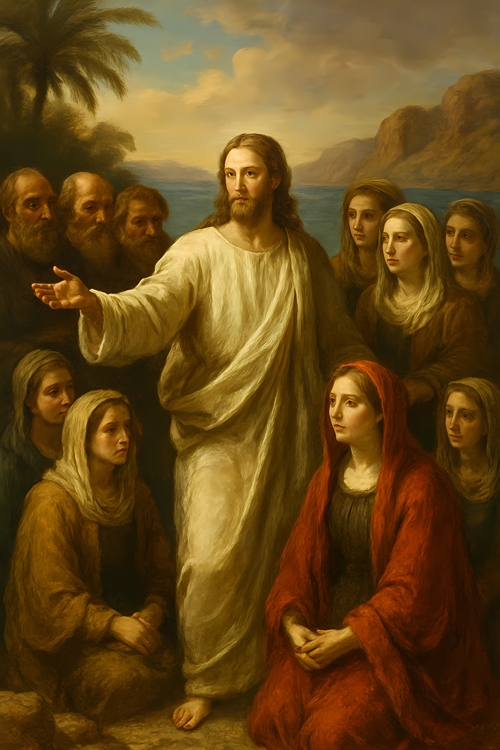
The inhabitants of Bend City were as weathered and worn as the town itself. They moved with a slow, deliberate grace, each step measured, each glance calculating. There was a shared fatigue in their eyes, a weariness born not just of the relentless sun and the hard work, but of years of hardship and struggle, of dreams deferred and hopes shattered. #Action #Western #Epic #Suspense #Amazon #Kindle
Mystery
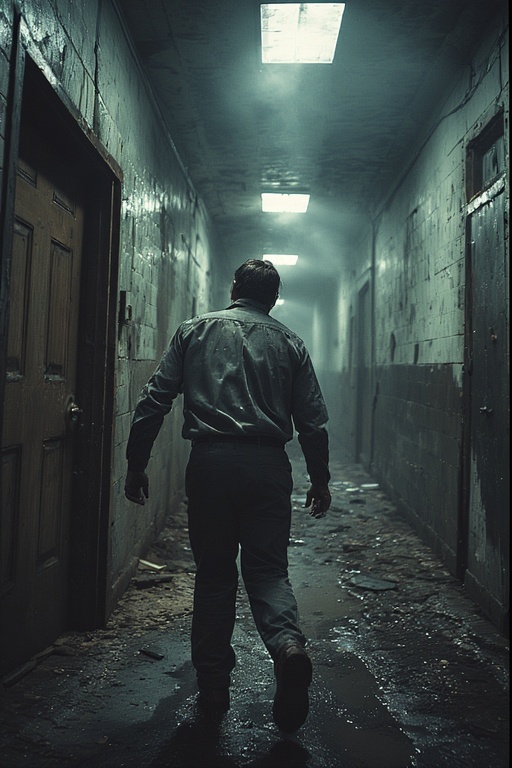
He continued his movement, a fluid, silent grace that belied the years of brutal confinement. Each step was measured, deliberate, his senses on high alert. The facility, once a labyrinth of oppression, was now a conquered territory, its secrets laid bare, its weaknesses exploited. He ran a hand along the cool, unforgiving surface, feeling the grit and grime, the echoes of countless lives lived and lost within these walls. But now, it was different. This texture was not a symbol of his imprisonment, but a testament to his resilience.
The prison uniform, now discarded in a shadowed alcove, lay like a discarded skin, a molted shell of a former self. It was a stark visual representation of his transformation, a physical shedding of the past. #Crime #Suspense #Thriller #Drama #Kindle #Amazon #Audible
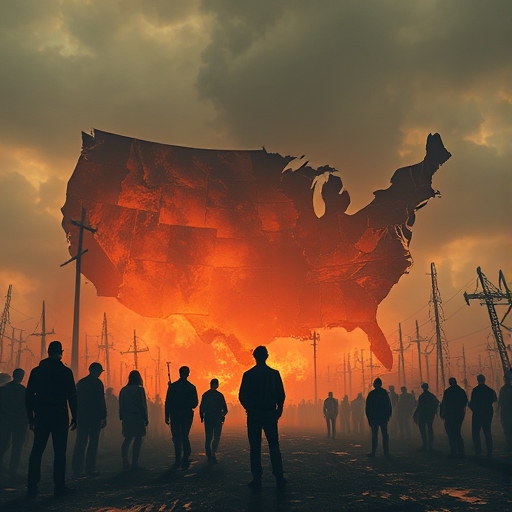
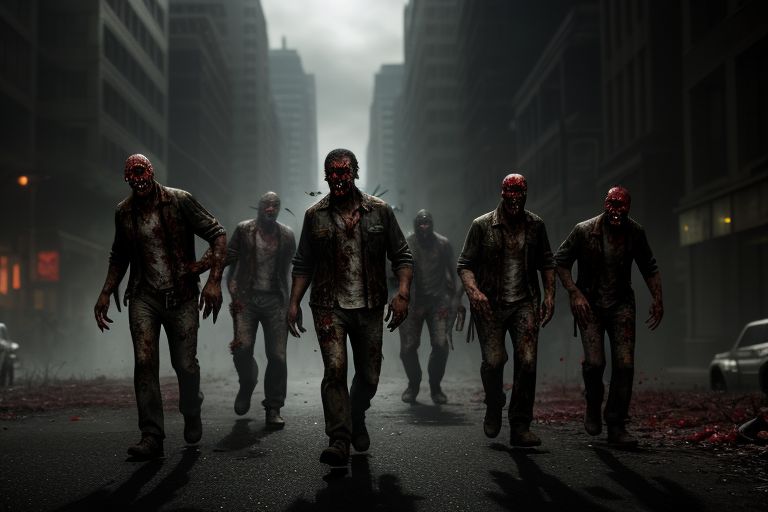
by W. G. Sweet (Author) #Zombie #Horror #Kindle #Amazon
John watched as Bear helped the girls move their sleeping bags and back packs over to a clear space on the factory floor. He didn’t see what Madison saw in Cammy, but it was her choice, and she wouldn’t get a second chance with him. He came close to slamming his fist into the cement floor.
Not frustrated at all, he told himself. Not even a little.
He was about to roll out his sleeping bag and go to sleep, maybe tomorrow would have a different spin, he thought briefly, when Bear walked over and dropped down in a squat next to him. He moved so fast and easy for a big man. “Hey,” John was startled into saying.
Bear smiled. “Didn’t mean to startle you… Thought you saw me coming.”
“No… No, you didn’t startle me at all,” John lied.
Bear nodded. He cleared his throat a little. “Maddy and I talked a little… This place is safe, but it isn’t where we need to be, so we thought we’d light out… Tomorrow… Jersey, maybe further, either way, out of the city is the goal.”
“Maddy?” John asked. “So it’s like that.”
Bear kept the smile on his face. “Listen,” he leaned close, too close, but it was a tactic he reserved for situations just like this back in the old world. “She wants to go… With Cammy,” he spread his hands, huge hands, “It is what it is, man.”
John shook his head. “I don’t see it. It’s a new world… Who knows how many of us may have died off… If you look at New York alone it’s got to be millions.”
Bear nodded, not really sure where John was going.
John leaned close. “So how do you build a population back up if the women are only with the women?”
Bear shook his head. “You know what I said to Maddy a few moments ago?” He didn’t wait for John to answer. “She said something about the way you have a tried to impose upon her that she needs a man, and I said, ‘What a dick.’ That’s what I said, ‘What a dick.”
John just glared from under his lowered brows.
“Grow up, John, or go your own way, but as for those two?” He looked over at Madison and Cammy. “Don’t mess with them anymore… I understand your thoughts might have gotten messed up… It’s tough times like this that can do that, but they are their own, not your own.” He patted one huge hand against John’s shoulder, smiled and then stood and walked away…
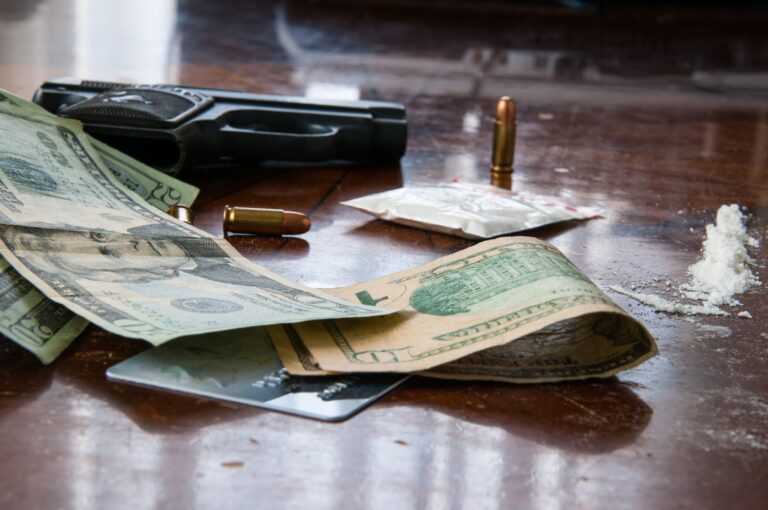
The Teacher’s Shadow
The stench of stale urine and rotting garbage clung to the air, a familiar perfume in George Topsfield’s nocturnal endeavors. Rain, a relentless drizzle that had plastered itself to the city for days, slicked the cobblestones of the alley, turning the already dismal space into a treacherous, reflective mirror of the neon-drenched city above. It was a fitting stage for the final act of this particular performance. Across from him, huddled in the meager shelter of an overflowing dumpster, was his mark: a weasel-faced accountant named Arthur Finch. #Crime #HitMan #OrganizedCrime #Mystery #Thriller #Drama
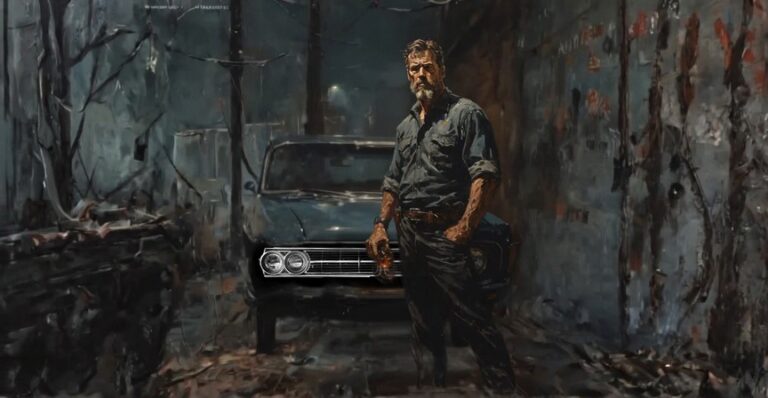
Gus Dyer The road to Redemption
Gus Dyer is a detective no more. Staring into the deep wells of corruption for too many years sent him into a spiral. He tried to use the bottle to find his way out, but that only dragged him in deeper. The road to Redemption is a look at that fall and how hard that fall was. But Gus is determined to stand on his own two feet again. It remains to be seen whether he will ever become a detective again, but he is finding out that being a detective is not about a badge. It isn’t something you take on with the position either. It is in your blood, and if you have it, you cannot help but follow those impulses that flood through your body with that blood when you know something is wrong. Dead wrong…#Detective #Crime #Mystery #Thriller #Suspense #Readers #KU

Gus Dyer
Gus Dyer: The Jimmy West Case
Gus Dyer is a hardcore detective in the big city. He knows what crime is, and he has seen the worst of the worst walk her streets and taken those same people down. Some to jail, some to the gates of hell where they belonged in the first place.This time he is on the trail of a hired killer, Jimmy West. West works out of the city. It is his base and fortress, the place where he can roam free among millions of other people unseen, unchallenged and free to continue his crimes.#Detective #Crime #Mystery #Thriller #Suspense #Readers #KU
Gus Dyer The road to Redemption
Gus Dyer is a detective no more. Staring into the deep wells of corruption for too many years sent him into a spiral. He tried to use the bottle to find his way out, but that only dragged him in deeper. The road to Redemption is a look at that fall and how hard that fall was. But Gus is determined to stand on his own two feet again. It remains to be seen whether he will ever become a detective again, but he is finding out that being a detective is not about a badge. It isn’t something you take on with the position either. It is in your blood, and if you have it, you cannot help but follow those impulses that flood through your body with that blood when you know something is wrong. Dead wrong…#Detective #Crime #Mystery #Thriller #Suspense #Readers #KU
Connected
Connected: Short Hauls Kindle Edition
Book 1 of 3: Connected
A collection of seven crime stories; including Harrows… They had been drinking one night when Robby had come out with the murder bit. #ShortStories #CrimeFiction #Watson #Readerrs #Kindle
Connected: Sanger Road Kindle Edition
Book 2 of 3: Connected
Sanger Road… Pulled from his mundane life, Carl finds a world where anything is possible if you are willing to risk everything… #Crime #Readers #Amazon #Kindle #BookLovers
Connected: Dello Green Kindle Edition
Book 3 of 3: Connected
Jimmy West backed his big Dodge around to an open dumpster container, late afternoon was a perfect time to dump a body… #CrimeFiction #CrimeJunkkies #CrimeReaders #Kindle #Amazon
Private Investigations: The John Rourke Private Detective series
Private Investigations 1: A John Rourke detective Story (Private Investigations: John Rourke Private Detective Stories) Kindle Edition Book 1 of 3: Private Investigations: John Rourke Private Detective Stories by W. W. Watson (Author) Format: Kindle Edition
John Rourke is a private detective with contacts and a license to practice from New York to Arizona. He has the resources he needs across the country to find the information he needs to crack the toughest cases. Ex-cops, ex-Cons, snitches, stoolies, drug addicts, criminals, drug dealers and any kind of scum of the earth you can imagine or care to name. He knows the seedy side of life and to some people that makes him indispensable…
Book one:
The chipped paint on my beat-up Ford Falcon was flaking like old skin. The smell of stale coffee clung to the interior like a cheap perfume, a constant, bitter reminder of the long hours ahead. Across the street, Paul Fields’ two-story colonial loomed, a picture of suburban perfection, a stark contrast to the cramped discomfort of my temporary office. The relentless hum of traffic on Hemlock Drive was a dull, throbbing ache in my skull, a soundtrack to this tedious ballet of surveillance. My gut churned, not from the coffee, but from the gnawing feeling that I was hemorrhaging money, bleeding my retainer dry on this seemingly pointless stakeout…
#BookWorm #Readers #KindleUnlimited #WWWatson #Crime #Noir #Mystery #PrivateEye
https://www.amazon.com/dp/B0FFG92STF
Private Investigations 2: A John Rourke detective Story (Private Investigations: John Rourke Private Detective Stories) Kindle Edition Book 2 of 3: Private Investigations: John Rourke Private Detective Stories by W. W. Watson(Author)Format: Kindle Edition J
Book 2 of 3: Private Investigations: John Rourke Private Detective Stories
John Rourke is a private detective with contacts and a license to practice from New York to Arizona. He has the resources he needs across the country to find the information he needs to crack the toughest cases. Ex-cops, ex-Cons, snitches, stoolies, drug addicts, criminals, drug dealers and any kind of scum of the earth you can imagine or care to name. He knows the seedy side of life and to some people that makes him indispensable…
Book two:
My apartment, usually a sanctuary of quiet solitude, became a temporary forensic lab. The dining table transformed into a command center, littered with maps, photographs, financial records, and transcripts of intercepted phone calls. The air hung heavy with the scent of stale coffee and the lingering aroma of cheap takeout containers. Days bled into nights as I painstakingly organized the evidence, meticulously documenting every detail, creating a comprehensive narrative that would stand up to the scrutiny of the legal system… #BookWorm #Readers #KindleUnlimited #WWWatson #Crime #Noir #Mystery #PrivateEye
Private Investigations 3: A John Rourke detective Story (Private Investigations: John Rourke Private Detective Stories) Kindle Edition Book 3 of 3: Private Investigations: John Rourke Private Detective Stories by W. W. Watson(Author)Format: Kindle Edition J
Book 3 of 3: Private Investigations: John Rourke Private Detective Stories
John Rourke is a private detective with contacts and a license to practice from New York to Arizona. He has the resources he needs across the country to find the information he needs to crack the toughest cases. Ex-cops, ex-Cons, snitches, stoolies, drug addicts, criminals, drug dealers and any kind of scum of the earth you can imagine or care to name. He knows the seedy side of life and to some people that makes him indispensable…
Book three:
The silence was broken by the distant screech of a hawk, its cry sharp and piercing against the vast silence of the desert. It was a lonely sound, a perfect metaphor for the state of my own soul. I was tired, bone-deep tired. Sleep was a luxury I couldn’t afford, nightmares a constant companion. The faces of the victims, the ones I’d found along Rieser’s trail, haunted my dreams. Each one a testament to the brutal efficiency of a man who knew how to erase his tracks… #BookWorm #Readers #KindleUnlimited #WWWatson #Crime #Noir #Mystery #PrivateEye
Home: https://www.wendellsweet.com
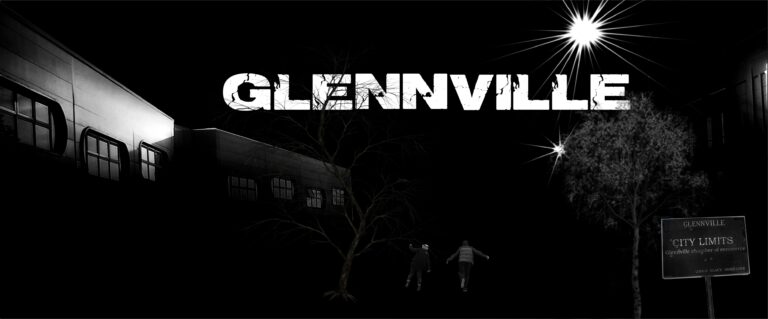
A look at the town of Glennville. Bobby, Moon and Lois are the central points of this book, but they will also introduce you to their parents, the Sheriff Kyle Stevens and some of the other town locals that make Glennville, Glennville. They are trying to spend the summer enjoying the beauty of the upstate New York town, camping, adventures, all the things three eleven year old kids could do for a summer in 1969. However, Glennville is no ordinary town and there is always something else going on… #Summer #Glennville #Adventure #1969 #DellSweet #Readers #KU
Home: https://www.wendellsweet.com
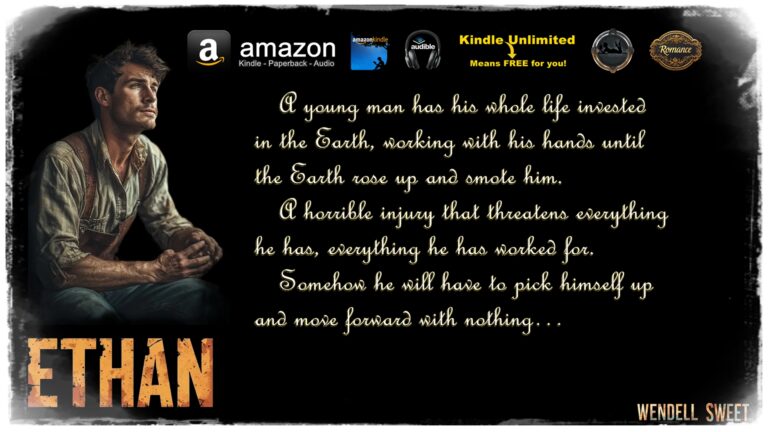
Ethan. A young man has his whole life invested in the Earth, working with his hands, until the Earth rose up and smote him. A horrible injury that threatens everything he has, everything he has worked for. Somehow he will have to pick himself up and move forward with nothing… #Disability #Drama #LifeStory #Romance Disability fiction, Dell Sweet, Romance, True Life, Fiction, Saga, Life Journey,
Ethan – Author Wendell Sweet
#Disability #Drama #LifeStory #Romance Disability fiction, Dell Sweet, Romance, True Life, Fiction, Saga, Life Journey,
Serial Killers – Sam Wolfe
Series Link: Serial Killers (7 book series) Kindle Edition
Serial Killers: Elizabeth Bathory
Elizabeth Báthory (1560–1614) — often called the “Blood Countess” — was a Hungarian noblewoman from the powerful Báthory family. She’s infamous as one of history’s most prolific alleged female serial killers.
Some may argue that she is not a true serial killer, but I would say read the evidence in this book TrueCrime #SerialKillers #SamWolfe #ElizabethBathory #Murder #Biography #Non Fiction, Elizabeth Bathory, Sam Wolfe, Serial Killers, True Crime
Serial Killers: Ed Gein
Ed Gein (1906-1984), also called the “Butcher of Plainfield” or “Plainfield Ghoul”, was an American murderer and body snatcher from Plainfield, Wisconsin. His crimes in the 1950s became notorious for their gruesomeness and heavily influenced horror fiction. TrueCrime #SerialKillers #SamWolfe #EdGein #Murder #Biography #Non Fiction, Ed Gein, Sam Wolfe, Serial Killers, True Crime
Serial Killers: Aileen Wuornos
Aileen Wuornos (1956–2002) was an American serial killer who murdered seven men in Florida between 1989 and 1990. She was one of the few female serial killers in the U.S. to receive widespread media attention, and her case sparked debates about trauma, self-defense claims, and how the justice system treats women who kill. #TrueCrime #SerialKillers #SamWolfe #AileenWuornos #Murder #Biography #Non Fiction, Aileen Wuornos, Sam Wolfe, Serial Killers, True Crime
Serial Killers: Jeffrey Dahmer
Dahmer’s pursuit of Steven Tuohy was not a spontaneous act born of opportunity, but rather a deliberate endeavor, driven by a specific desire. Tuohy, a young man whom Dahmer had met and engaged with in a manner that blurred the lines between casual acquaintance and something more, became the focal point of Dahmer’s compulsion. #TrueCrime #SerialKillers #SamWolfe #JeffreyDahmer #Murder #Biography #Non Fiction, Jeffrey Dahmer, Sam Wolfe, Serial Killers, True Crime
Serial Killers: : H. H. Holmes
H. H. Holmes – America’s First Notorious Serial Killer
Real Name: Herman Webster Mudgett – H. H. Holmes was an alias. Born May 16, 1861 in Gilmanton, New Hampshire.
Holmes is one of the most infamous figures in American criminal history, often called America’s first modern serial killer and first big-city serial killer. #TrueCrime #SerialKillers #SamWolfe #HHHolmes #Murder #Biography #NonFiction
Serial Killers: Jack the Ripper
In 1888, Whitechapel was one of the poorest and most overcrowded areas of London. Poverty, crime, and prostitution were rampant. Between August and November of that year, a series of brutal murders of women shocked the city and dominated the national press, creating a media frenzy that essentially invented modern tabloid crime coverage. . #TrueCrime #SerialKillers #SamWolfe #JackTheRipper #Murder #Biography #NonFiction
Serial Killers: : Ted Bundy
Theodore Robert Bundy remains one of the most infamous serial killers in American history, not only for the br4sutality of his crimes, but for the stark contrast between his public image and his private life. Between 1974 and 1978, Bundy carried out a series of murders, kidnappings, and assaults across seven states #TrueCrime #SerialKillers #SamWolfe #JackTheRipper #Murder #Biography #NonFiction
Check out author Wendell Sweet on Facebook

The point of no return
featuring Ben Larkin
by
Wendell Sweet © Copyright 2025
Cover Art © Copyright 2025 A L Sweet
This book is licensed for your personal enjoyment only. This book may not be re-sold or given away to other people. If you would like to share this book with another person, please purchase an additional copy for each recipient. If you are reading this book and did not purchase it, or it was not purchased for your use only, then please return to your bookseller and purchase your own copy. Thank you for respecting the hard work of this author.
LEGAL
This is a work of fiction. Any names, characters, places or incidents depicted are products of the author’s imagination. Any resemblance to actual living person’s places, situations or events is purely coincidental.
No part of this book may be reproduced by any means, electronic, print, scanner or any other means and, or distributed without the author’s permission. Permission is granted to use short sections of text in reviews or critiques in standard or electronic print.
He hailed a cab, giving the driver the address of a nondescript motel on the edge of the city, a place far from the tourist traps and the glittering entertainment districts. The ride was a blur of flashing lights and unfamiliar streets, each turn a new landscape, each intersection a potential encounter. The cab driver, a jovial man with a thick Southern drawl, chattered about the Titans, the Predators, and the latest country music sensation, oblivious to the tension radiating from his passenger. Larkin offered monosyllabic responses, his eyes scanning the passing scenery, his mind racing.
The motel was exactly as advertised: a low-slung building with peeling paint, a faded neon sign buzzing erratically, and a parking lot filled with a mix of aging sedans and work trucks. It was the epitome of anonymous accommodation, a place where transient lives intersected and then dispersed, leaving little trace. He paid cash for a room, the anonymity of the transaction a small comfort. The room itself was spartan, clean enough, but with a pervasive scent of stale cigarette smoke and cheap disinfectant. It would suffice.
He locked the door behind him, the deadbolt sliding home with a reassuring click. He sank onto the edge of the lumpy mattress, the silence of the room a stark contrast to the city’s ceaseless hum. He was safe, for now. But safety was a fleeting commodity in his world. He needed to understand the landscape, to identify the potential threats and the possible allies. Lowe would be hunting him, and Lowe was a relentless force, a man who didn’t understand the meaning of surrender.
Larkin pulled out a small, worn notebook from his pocket, its pages filled with cryptic scribbles and hastily drawn maps. His network was sparse, but it was loyal, or at least, it was transactional enough to be relied upon. He needed to reach out, to gauge the temperature of the city, to find out what kind of ripple his recent escape had caused. He knew he couldn’t stay in one place for too long. Nashville, with its vibrant pulse and its myriad distractions, offered a temporary shield, but it was a fragile illusion. The city was a labyrinth, and within its depths, he had to find a way to become invisible, to move through the shadows unseen, while simultaneously seeking the resources he needed to survive and, eventually, to fight back.
He remembered a name whispered in hushed tones among those who operated in the underbelly of the music scene, a fixer known only as “Whisper.” Whisper was rumored to have connections to everything and everyone, a ghost in the machine who could procure anything, from hard-to-get concert tickets to untraceable burner phones. Finding Whisper would be a challenge, but a necessary one. He was the key to unlocking the information he desperately needed.
He made his way back out into the neon glow of Nashville, the city’s intoxicating energy a double-edged sword. The streets were alive with people, a river of humanity flowing through the heart of the city. Music spilled from honky-tonks and upscale clubs alike, a constant reminder of Nashville’s identity. He avoided the main thoroughfares, sticking to the quieter side streets, his senses on high alert. He needed to acquire a burner phone, a way to communicate without leaving a digital footprint. The anonymity of a cash purchase was paramount.
He found a small convenience store, its aisles stocked with an eclectic mix of snacks, cheap souvenirs, and a surprisingly comprehensive selection of pre-paid mobile phones. He purchased the cheapest, most basic model available, handing over a wad of crumpled bills without a word. Back in the relative seclusion of a dimly lit alleyway, he powered up the device, its screen a stark white against the encroaching darkness. He had a few numbers stored, coded and disguised. The first one he dialed belonged to a street artist he’d helped out of a jam a few years back, a young woman named Chloe who had a knack for knowing things.
The phone rang twice before a hurried, breathy voice answered. “Yeah?”
“Chloe, it’s Larkin,” he said, keeping his voice low, almost a whisper.
A pause, then a sigh of relief. “Larkin! Where in God’s name have you been? I thought you were… well, never mind. You okay?”
“I’m getting there. Listen, I need some information. And I need a contact. Someone who knows the city, who can get things done without asking too many questions.”
Chloe’s voice dropped conspiratorially. “You’re in Nashville? That’s… bold. Who are you running from, Larkin?”
“Someone who doesn’t like being outsmarted,” he replied, the words tasting like ash in his mouth. “And I need to stay ahead of them. I need to find Whisper.”
Chloe let out a low whistle. “Whisper? That’s asking for the moon, Larkin. He’s not exactly advertised. But… I think I might know someone who knows someone. Give me a few hours. Don’t do anything stupid. And for heaven’s sake, lay low.”
The conversation ended, leaving Larkin with a sliver of hope and a renewed sense of urgency. He knew Chloe wouldn’t let him down. In the meantime, he needed to find a place to eat, to refuel his body and his mind. The aroma of barbecue wafted from a nearby establishment, a small, unassuming place with a line stretching out the door. It was a good sign. Good food, good company, and a chance to observe.
He joined the queue, the chatter of the patrons a welcome distraction. He listened, absorbing snippets of conversation, trying to discern any mention of unusual activity, any whispers of law enforcement presence. The talk was mostly about music, sports, and the mundane dramas of everyday life. It was a stark reminder that the world kept turning, oblivious to the high-stakes game of cat and mouse he was playing.
As he finally sat down with a plate of slow-cooked pulled pork and a side of mac and cheese, the weight of his situation settled back in. He was in enemy territory, a stranger in a vast and bustling city. But he was also a survivor. He had a knack for finding the cracks in the system, for exploiting the blind spots. Nashville was a city of music, of dreams, and of secrets. And somewhere within its vibrant, pulsating heart, he would find the sanctuary he needed to regroup, to plan, and to prepare for whatever Lowe had in store. The neon lights of the city, once a symbol of welcome anonymity, now felt like a spotlight, a constant reminder that even in the brightest of cities, shadows could still conceal danger. But within those shadows, Larkin knew, lay the path to his survival. He would become a phantom in the concrete jungle, a whisper in the wind, until he was ready to face the storm. The city’s pulse was intoxicating, but beneath its rhythm lay a hidden current, and he needed to learn to navigate it, to become one with its ebb and flow, before he could truly disappear.
The burner phone felt alien in Larkin’s hand, a cold, impersonal slab of plastic and circuits. It was a tool of invisibility, a digital ghost to complement his physical one. He’d memorized the number, a sequence of digits that felt both familiar and charged with potential danger. It belonged to Maria Reyes, a name that conjured images of late nights fueled by bad coffee and even worse crime scenes. They’d been partners once, a lifetime ago, back when Larkin was still navigating the labyrinthine corridors of the ATF, and Maria was the sharpest tech analyst they’d ever had. She’d had a gift for sifting through mountains of data, for finding the one digital needle in a haystack of code. Now, she was out, plying her trade in the private sector, a ghost in her own right, with access to networks that would make a federal agency blush.
He found a quiet corner in a dimly lit bar, the kind of place where the jazz was smooth and the patrons seemed to exist in their own private bubbles. The Torino, now resting in Silas’s capable hands, was a ghost of its former self, waiting for its identity to be scrubbed clean. But the phantom fear of its presence still clung to Larkin, a tangible weight. This car, this particular Torino, was the thread that had led him into this tangled mess, and he needed to understand why it was so important, why it was worth a tactical team’s undivided, and lethal, attention.
He punched in Maria’s number. It rang once, twice, and then a click. A voice, cool and precise, answered. “Reyes.”
“Maria, it’s Larkin.” He kept his voice low, pitched to carry only to her ears. “Hope I’m not disturbing your beauty sleep.”
A beat of silence, then a low chuckle, laced with surprise. “Larkin? Well, I’ll be damned. To what do I owe the pleasure? Last I heard, you were chasing down bank robbers in Nevada, not breathing Nashville air.”
“Circumstances, Maria. They tend to get… complicated.” He paused, choosing his words carefully. “I need your help. Something I’m working on has gotten a little out of hand, and I need your unique set of skills.”
“My ‘unique set of skills’ usually involves a substantial retainer and a very clear understanding of the legal boundaries,” Maria said, her tone shifting from amusement to professional caution. “What kind of out-of-hand are we talking about?”
“The kind where discretion is paramount,” Larkin replied. “And where the clock is ticking. I need you to run a trace on a vehicle. A 1972 Ford Torino. VIN number is… give me a second.” He pulled out his worn notebook, flipping to a page filled with hastily scribbled details. “GTX7B417992.”
He heard the faint clicking of keys in the background. Maria was already working, even as they spoke. “Seventy-two Torino. Not exactly a common vehicle these days. What’s the angle, Larkin? You planning on reliving your youth with a joyride?”
“It’s not a joyride, Maria. This car is… central to a situation. I need to know its history. Who owned it, when, where it’s been registered. Any significant modifications, any known associates who might have had access to it.” He hesitated, then added, “And why someone might go to extreme lengths to retrieve it.”
“Extreme lengths, huh?” Her voice was thoughtful now. “This sounds like more than a missing vehicle report. You’re talking about something that’s put you in the crosshairs, aren’t you?”
“Something like that,” Larkin admitted. “Let’s just say it’s attracted some very determined attention.”
“Okay, Larkin. I owe you one. You pulled my bacon out of the fire a couple of times back in the day. And I’m always up for a good digital puzzle, especially when it involves a classic muscle car.” The clicking of keys intensified. “Give me some time. This isn’t a quick search. There are layers to this kind of data. If it’s been scrubbed, it’ll be harder. But if it’s got a paper trail, even a faded one, I’ll find it.”
“I appreciate it, Maria. Really. I’m in Nashville. I’ve got a burner phone, but you can reach me at this number if anything… urgent… comes up.” He recited the number he’d just acquired. “And if there’s anything you need from my end, anything at all, you know the drill.”
“I’ll be in touch,” Maria said, her voice carrying a new edge of intrigue. “And Larkin? Try not to get yourself killed before I deliver the goods. I don’t do resurrection gigs.”
He ended the call, a knot of anticipation tightening in his gut. Maria was his best shot. She operated in the digital shadows, a master of information retrieval and obfuscation. If anyone could uncover the secrets buried within the history of the Torino, it was her. He nursed his drink, the amber liquid doing little to soothe the persistent hum of anxiety. He was a man out of his element, a hunter forced to become the hunted, relying on favors and outdated connections to stay one step ahead.
Nashville, with its vibrant pulse and its endless stream of music and revelry, was a gilded cage. He could disappear into the crowds, become another face in the sea of tourists and locals, but the knowledge that Lowe and his team were likely scouring the region, their search parameters expanding with every passing hour, was a constant, chilling presence. He needed more than just a temporary reprieve; he needed leverage, an understanding of the game he was being forced to play.
The Torino. It was more than just a car. It was a key, a catalyst. Its history was intertwined with his current predicament, a fact that gnawed at him. Silas had promised to make it look unremarkable, to erase the visible scars of its recent ordeal. But the true damage, the invisible wounds of its past, were what he needed to uncover. Maria was his best hope for peeling back those layers of history, for understanding what made this particular piece of automotive history so valuable, so contested.
He spent the next few hours navigating the bustling streets, a ghost in the machine of the city. He observed, he listened, and he waited. The burner phone remained silent, a stark contrast to the constant flow of information he was accustomed to receiving through official channels. This was a different kind of operation, one that relied on whispers and intuition, on the murky depths of the underworld rather than the clear light of law enforcement.
As the night wore on, the city transformed. The neon lights seemed to burn brighter, the music grew louder, and the crowds swelled. He found himself drawn to the edges of the entertainment districts, observing the flow of people, the subtle cues of wealth and desperation, of ambition and despair. Nashville was a city of dreams, and like all dreams, some were destined to be realized, while others would curdle into nightmares. He was caught in the throes of a nightmare, and he needed to find a way to wake up.
He found a quiet park, a patch of relative stillness amidst the urban chaos. He sat on a bench, the cool night air a welcome caress against his skin. The city skyline glittered in the distance, a testament to human ambition. He thought about Maria, her sharp intellect and her unwavering loyalty. She was one of the few constants in his life, a beacon of competence in a world that often felt increasingly chaotic. Her ability to navigate the digital realm was a skill he desperately needed, a lifeline in his current predicament.
He pictured her in her element, surrounded by screens, her fingers flying across keyboards, unraveling encrypted messages and tracing digital breadcrumbs. She had always been fascinated by the intricate dance of data, the hidden narratives that lay buried within lines of code. This Torino, with its unknown past, would be a challenge, a tantalizing puzzle that she wouldn’t be able to resist. He trusted her implicitly, a rare commodity in his line of work. Her discretion was absolute, her ability to operate outside the usual channels invaluable.
He wondered about the kind of digital footprint a car like that would leave. Ownership records, insurance policies, maintenance logs, even casual online listings or forum discussions from enthusiasts. It was a tangled web, and Maria was the spider best equipped to navigate it. He hoped she could find something concrete, something that would explain the overwhelming force that had been deployed against him. Was it a simple matter of the car being stolen? Or was there something more, something hidden within its metal shell, something that others were willing to kill for?
The thought sent a shiver down his spine. He had always operated on a need-to-know basis, but this time, the lack of information was a dangerous liability. He was flying blind, relying on instinct and the hope that his old connections could provide him with the intel he needed to regain control. Maria was the first piece of that puzzle, the one who could illuminate the car’s past, and hopefully, shed light on his present danger.
He checked the burner phone again. Still silent. The waiting was the hardest part. It amplified the uncertainty, the feeling of being adrift. He imagined Lowe, somewhere out there, a relentless force of nature, adapting his strategy, closing in. Larkin couldn’t afford to be passive, but he also couldn’t afford to make a rash move. He needed information, solid intel, before he could even begin to formulate a plan for survival, let alone retaliation.
He considered the implications of Maria’s involvement. If she found something significant, something that put her at risk, he would be responsible. He had always tried to keep his personal life and his professional entanglements separate, but in his current situation, those lines were blurred to the point of non-existence. He was asking her to step into his world, a world that was inherently dangerous. He hoped the favor she owed him was enough to outweigh the inherent risk.
As the first hints of dawn began to soften the edges of the Nashville skyline, his phone buzzed. A single text message.
Reyes: Got a hit. It’s messy. Meet me. Usual place. 0800.
A surge of adrenaline coursed through him. Messy. That was Maria’s understated way of saying it was complicated, dangerous, and likely illegal. But it was a lead, a tangible piece of progress. He texted back a confirmation, his fingers trembling slightly. The usual place. A discreet diner on the outskirts of town, a neutral territory they had used in the past. He had a few hours to kill, a few hours to brace himself for whatever revelations Maria had unearthed. The Torino’s past was about to come to light, and Larkin had a sinking feeling it was going to be a dark and stormy revelation. He stood up, stretching his stiff muscles, and began the walk towards the dawn, a man on a mission, fueled by caffeine, adrenaline, and the unwavering belief that information was the ultimate weapon. The neon pulse of Nashville was still thrumming, but now, for Larkin, it was a pulse of anticipation, the prelude to a storm he had to weather.
The hum of Nashville’s nocturnal symphony had begun to fade, replaced by the tentative chirps of an awakening city. Larkin, still replaying the cryptic message from Maria, found himself drawn to the edges of the downtown sprawl. The burner phone felt heavy, a tangible link to the invisible world he now inhabited. He’d spent the remaining hours before dawn poring over maps, searching for a sanctuary, a place where a phantom like him could momentarily shed his spectral cloak and seek expert, discreet assistance. It was Earl, a contact from his ATF days with a surprisingly vast network of informants and… specialists, who had provided the name: Gus’s Garage. Tucked away in an industrial pocket of East Nashville, far from the glittering tourist traps, it was a place that whispered of grease-stained hands, of resurrected engines, and, more importantly, of discretion.
The address led him down a series of increasingly desolate streets. Warehouses loomed, their corrugated metal facades reflecting the muted glow of streetlights. Finally, he spotted it – a low-slung building with a faded sign that read “Gus’s Garage – Vintage American Iron.” The air here was thick with the unmistakable aroma of old oil, gasoline, and something vaguely metallic. It was a scent that spoke of dedication, of a life lived amongst the mechanical beasts of a bygone era. As he pulled the dark, nondescript sedan he’d acquired into the gravel lot, the pre-dawn light cast long, skeletal shadows, making the place feel both forgotten and strangely alive.
A figure emerged from the shadows of the garage bay, silhouetted against a single, harsh work light. He was a man built like a weathered oak, his frame solid and unyielding. His face was a roadmap of a life spent under the sun and amidst the grime of engines, etched with a thousand tiny lines that spoke of hard work and perhaps a few too many close calls. He wore oil-stained overalls, a faded baseball cap pulled low over his brow, and his hands, even from a distance, looked like they were carved from granite. This had to be Gus.
Larkin killed the engine, the sudden silence amplifying the distant drone of the city. He got out, the gravel crunching under his worn boots. The man stood his ground, his gaze steady, unreadable.
“You the one Earl sent?” the man grunted, his voice a low rumble, like an engine struggling to turn over.
“Larkin,” he replied, offering a curt nod. “Earl said you’re the best with the old iron.”
Gus’s lips quirked into a faint, almost imperceptible smile. “Earl’s got a good eye. And a good mouth for recommendations. What’s the trouble?” He gestured with a thumb towards the dark sedan. “Car trouble?”
“Not exactly,” Larkin said, approaching the man. “More like… car preservation. And a few… undocumented enhancements that need a closer look. I’ve got a Torino. Seventy-two. It’s been through a bit of a… rough patch. Needs some expert attention. Discreet attention.”
Gus’s eyes, sharp and intelligent, flickered over Larkin’s face. He’d seen men like Larkin before – men with secrets etched onto their souls, men who carried a certain gravity about them. He’d also seen plenty of expensive cars brought to his shop, often with stories attached that the owners were eager to omit. “Seventy-two Torino, huh? Haven’t seen one of those on the lift in a while. What kind of ‘rough patch’ are we talking about?”
“Let’s just say it was involved in an… incident,” Larkin said, choosing his words carefully. “It took some hits. Needs bodywork, engine check, the usual. But there’s more to it than that. It’s… modified. Subtly.”
Gus stepped closer, his gaze now fixed on Larkin’s car, as if he could already see through the paint and steel to the secrets within. “Subtle modifications. That’s usually code for something more interesting than a souped-up carburetor. What kind of modifications?”
“That’s what I need you to find out,” Larkin admitted. “And to fix, if possible. Without drawing attention. I need it to look like a standard restoration, but underneath… I need to know what’s there. And I need it done fast. And quiet.”
Gus scratched his chin, the rough stubble rasping under his calloused fingers. He looked at Larkin, then at the silent sedan, a flicker of curiosity igniting in his gaze. “Fast, quiet, and subtle enhancements on a classic muscle car. Sounds like my kind of Tuesday. Earl said you were… particular. Now I see why. Alright, Larkin. Let’s take a look at this lady. Earl doesn’t steer me wrong on his referrals. And I owe him a few favors myself.”
He turned and ambled towards the garage bay, his movements economical and sure. Larkin followed, the scent of oil and metal enveloping him. Inside, the garage was a shrine to automotive history. Tools hung neatly on pegboards, gleaming under the harsh lights. Shelves were lined with spare parts, each meticulously organized. And scattered throughout the space were the husks of forgotten classics, waiting for Gus’s touch – a ’69 Camaro, a pristine Mustang fastback, a brooding ’57 Chevy.
Gus stopped beside a lift, gesturing for Larkin to bring the sedan forward. As Larkin carefully positioned the car, Gus began to circle it, his eyes scanning every inch of the exterior. He ran a hand over a minor dent on the rear fender, his touch surprisingly gentle. “Yeah, she’s taken a beating. Nothing that good old-fashioned elbow grease and a bit of Bondo can’t fix. But you said ‘subtle enhancements’.” He paused, leaning down to peer under the chassis. “You weren’t kidding.”
He stood up, wiping his hands on a greasy rag. “This isn’t your typical bolt-on job. There’s some custom wiring here, looks like… advanced acoustic dampening. And this isn’t standard fuel line. High-pressure, reinforced. You put a different engine in this thing, or just got a very… enthusiastic previous owner?”
Larkin’s breath hitched. Acoustic dampening. High-pressure fuel line. This was beyond anything he’d anticipated. “I… I don’t know the full extent of it,” he admitted. “That’s what I need you to figure out. I need it operational, but I also need to understand what I’m working with.”
Gus let out a low whistle. “Well, well. This ain’t just a joyride vehicle, is it? You got something… special going on here.” He walked towards the front of the car, his hand tracing the grille. “And this front bumper… this ain’t just for show. There’s a reinforced mounting point here. And these headlights… they look standard, but I’m betting they’re something else entirely. Integrated camera mounts, maybe? Or something for… countermeasures?”
Larkin felt a chill creep down his spine. Countermeasures. The word hung in the air, heavy with implication. He’d been expecting some upgraded engine components, maybe a more robust suspension. But this… this was military-grade. “I suspect you’re right,” he said, his voice barely a whisper. “I need you to assess the integrity of all these… systems. Can you disable anything that’s overtly… hostile? Without damaging the core mechanics?”
Gus turned to face him, his eyes narrowed, a mixture of professional curiosity and a healthy dose of caution. “Hostile systems? Larkins, what exactly have you gotten yourself into? This ain’t your average restoration project. This car is kitted out like a spy gadget from an old movie.” He gestured towards the engine bay. “I can work on the mechanics. I can patch up the dents. I can make her run like she just rolled off the assembly line. But whatever this other stuff is… it’s outside my usual wheelhouse. I’m a mechanic, not a special ops technician.”
“I understand that,” Larkin said, stepping closer, his voice low and urgent. “But you’re the best, Gus. Earl said you could handle anything. I’m not asking you to understand the ‘why.’ I just need you to understand the ‘how.’ How to make it safe. How to make it… dormant. And then, how to put it all back together when I need it.” He met Gus’s gaze directly. “The payment will be… significant. Enough to make you forget you ever saw this car. And Earl can vouch for my discretion. And my ability to pay.”
Gus studied him for a long moment, the silence punctuated only by the distant growl of early morning traffic. He saw the intensity in Larkin’s eyes, the weary determination that spoke of high stakes. He’d seen that look before, on men who operated in the gray areas, men who dealt with things that couldn’t be discussed in polite company. And the mention of Earl, coupled with the promise of substantial payment, was a strong incentive.
“Significant, huh?” Gus finally said, a wry smile touching his lips. “That does tend to grease the wheels of discretion. Alright, Larkins. You got yourself a deal. I’ll take a look. I’ll assess what’s what. I can’t promise I can disable everything without leaving a trace, or that I won’t accidentally detonate something. But I’ll do my damnedest. I’ll need time. And I’ll need you to stay out of my way. This ain’t a public display. This is me, my tools, and whatever ghost you’ve parked in my bay.”
He clapped his hands together, the sound sharp and decisive. “Let’s get her on the lift. We’ll start with the bones. The metal and the mechanics. Then… we’ll see what kind of magic tricks this old girl has up her sleeve.”
As Gus expertly maneuvered the Torino onto the lift, Larkin felt a sliver of relief. He’d found his man. Gus was more than just a mechanic; he was a craftsman, an artist who understood the soul of these machines. And in his hands, this complex, dangerous machine might just become a tool for his survival, rather than an instrument of his demise. The true extent of the Torino’s modifications was still a mystery, a dark cloud gathering on the horizon. But for the first time since he’d found himself in this impossibly complicated situation, Larkin felt a flicker of hope. He had a chance to understand the weapon that had been turned against him, and perhaps, to turn it to his own advantage. The neon pulse of Nashville might be beckoning, but here, in Gus’s Garage, a different kind of pulse was about to be reawakened.
The scent of stale exhaust and hot metal, once a comfort, now felt like a cage. Larkin watched Gus disappear into the labyrinth of the garage, the rumble of his footsteps echoing off concrete walls. Earl’s assurance that Gus was discreet was a thin balm against the gnawing unease. He knew Lowe. He knew Lowe’s capacity for obsession, his meticulous nature when it came to control. If Lowe was hunting him, he wouldn’t be content with just knowing Larkin was in Nashville. He’d be hunting the car. The Torino.
A shiver traced its way down Larkin’s spine, not from the cool morning air, but from the chilling realization that Gus’s Garage, this sanctuary of vintage iron, might not be as hidden as it seemed. Lowe’s tendrils, like invasive roots, could reach into any soil, no matter how neglected. The enforcer thrived on disruption, on twisting the established order to his own sinister will. Nashville, with its vibrant pulse, its easy familiarity, was ripe for such a manipulation. Larkin had relied on the city’s anonymity, its capacity to swallow a man whole. Now, he feared Lowe would transform that very anonymity into a trap.
He pulled out the burner phone again, its black surface reflecting the dim fluorescent lights of the garage. He scrolled through his contacts, bypassing the usual channels. He needed to know what Lowe was doing. Not just the broad strokes, but the fine details. He found the number he was looking for, a contact forged in the fires of a particularly nasty investigation years ago – a street-level informant named “Whisper.” Whisper was a creature of the shadows, a collector of hushed conversations and whispered secrets, his network woven through the city’s underbelly like a delicate, dangerous spiderweb. He owed Larkin, and for the right price, he’d deliver anything.
The call connected, and a raspy voice, barely audible, answered. “Yeah?”
“Whisper, it’s Larkin. I need information. High priority.”
A pause, then a low chuckle. “Larkin. Been a minute. What’s got your knickers in a twist this time? Trouble find you in the Music City?”
“Something like that. Lowe. He’s looking for a car. Yellow Torino. ’72. He’s leaning on people. Local… contacts. Trying to get eyes on it.” Larkin kept his voice low, pitched to match Whisper’s own secretive tone. “He’s putting out feelers. Trying to make sure I can’t disappear.”
Whisper was silent for a beat, the gears of his informant mind clearly grinding. “Lowe, huh? Yeah, heard his name rattling around. Nasty piece of work, that one. He ain’t playing around. Saw a couple of his… associates… asking questions down by the precinct. Not official questions, you understand. More like… ‘have you seen this car?’ type of vibe. They ain’t flashing pictures, though. Just descriptions. Yellow Torino. Classic. You fit the bill, don’t you?”
Larkin’s jaw tightened. “He’s using muscle. Not just asking nicely. He’s leaning on informants, local PD. Anyone who might have seen something unusual.”
“That’s Lowe’s way,” Whisper confirmed with a sigh. “He likes to make examples. Likes to show his reach. Nashville ain’t exactly crawling with yellow Torinos, Larkin. Especially not one that’s been…
modified. He’s probably got a few of his own birds out, keeping an eye on the usual spots. Pawn shops, chop shops, that sort of thing. And he’s definitely put the word out on the street. Any chatter about a car like that, heads up. Bounty on it, in a manner of speaking.”
“What kind of bounty?” Larkin pressed, the word tasting like ash in his mouth.
“Enough to make some lowlifes look twice,” Whisper said. “Enough to get a low-level PD contact to ‘accidentally’ notice something. Lowe’s got deep pockets. And he’s got a long memory. He wants that car, he’ll tie up the city in knots to find it. He’s painting a target on your back, Larkin. And on that car.”
Larkin could already picture it. Lowe, sitting in some opulent Nashville hotel suite, a phone pressed to his ear, his voice a silken threat, orchestrating a city-wide dragnet for a single vehicle. He was turning Nashville, a city built on music and dreams, into a hunting ground. The neon lights, usually a symbol of excitement and possibility, now seemed to pulse with a sinister warning. Every alleyway, every darkened street, every police scanner crackle – all of it could be Lowe’s eyes and ears.
“He’s leaning on the local PD?” Larkin asked, his voice strained.
“Not directly, not officially,” Whisper clarified. “But he’s got friends. Or maybe just friends of friends. The kind who owe favors. Or the kind who can be… persuaded. A little pressure here, a little suggestion there. He’s not asking them to issue an APB, not yet. He’s just seeding the ground. Making sure if anything pops up, they’ll remember the description. And if they don’t, well, Lowe has other ways of making sure people remember.”
Larkin rubbed his temples, the weight of Lowe’s influence pressing down on him. It wasn’t just a matter of hiding the car; it was a matter of Lowe’s sheer persistence. Lowe wouldn’t just search; he’d manipulate. He’d exploit. He’d twist the systems, both official and unofficial, to achieve his goals. Nashville, with its close-knit community of musicians and law enforcement, could be a fertile ground for misinformation and suspicion. A whispered rumor about a suspicious yellow Torino could quickly snowball into a full-blown investigation, no matter how spurious the origin.
“He’s desperate, then,” Larkin said, more to himself than to Whisper.
“Desperate or just methodical,” Whisper corrected. “Lowe’s a planner. He doesn’t get sloppy. He’s probably got eyes on every major artery out of the city. And he’s got people watching the streets. Not uniform cops, mostly. His own guys. Guys who know how to look without being seen. They’ll be spotting anything that remotely matches your description. That bright yellow paint job… it’s not exactly subtle, even if the car is otherwise discreet.”
Larkin felt a cold dread settle in his stomach. The Torino was a beacon. A beautiful, powerful, deadly beacon that Lowe was determined to extinguish. He had underestimated the enforcer’s reach, his ability to turn even the most vibrant, alive city into a suffocating trap. The Music City was no longer a refuge; it was becoming another battleground, and Lowe was orchestrating the initial skirmish with chilling efficiency.
“Keep your ear to the ground, Whisper,” Larkin said, his voice tight. “Anything about Lowe, his people, or that Torino. You find out who he’s leaning on, who he’s paying. I need to know who’s watching for me.”
“You know the price, Larkin,” Whisper rasped. “And this is gonna cost you. Lowe’s playing for keeps. He’s not just looking for a car; he’s looking for you. And he’s turning this whole damn city into his personal search party.”
“I’ll make it worth your while,” Larkin promised, ending the call. The silence that followed felt heavier than before. He looked out at the vast expanse of the garage, at the hulking shapes of dormant machines. Gus was somewhere in there, dismantling the secrets of his car, unaware that the very act of repairing it might be drawing unwanted attention. Lowe’s shadow had fallen over Nashville, and it was long, dark, and unnervingly precise. He had to get the Torino out of here, had to find a new hiding place, a deeper shadow. But where? Where in this city, now under Lowe’s watchful, manipulative gaze, could he possibly disappear? The neon pulse of Nashville beat on, oblivious to the hunt that had begun, a hunt orchestrated by a man who saw every obstacle as a challenge and every shadow as a place to hide his prey. Lowe’s patience was a finite resource, and Larkin knew, with a chilling certainty, that the enforcer’s patience was rapidly dwindling. The clock was ticking, and the hunter was closing in, using the very pulse of the city to track his quarry…
Read More Below…
The Point of no Return: featuring Ben Larkin Kindle Edition
by Wendell Sweet (Author) Format: Kindle Edition
| An Amazon Exclusive: Free with your Kindle Unlimited account |
The air in the Manhattan garage was thick with the scent of old oil, ozone, and the faint, metallic tang of desperation. Ben Larkin stood before it, the yellow Ford Torino, a magnificent, sun-bleached beast of a car, gleaming under the harsh fluorescent lights. It was a monument to a past he desperately wanted to bury, a gleaming, chrome-laden symbol of a life that had once promised freedom and now felt like a cage. He ran a gloved hand over the impossibly smooth, polished paintwork, the coolness of the metal a stark contrast to the heat that simmered beneath his skin. This was it. The last job. His final chance to break free, to outrun the shadows that had clung to him like cheap cologne for years.
#thriller #drama #epic #crime #detective #cars #torino #ford #amazon #kindl #kindleunlimited
Facebook: https://www.facebook.com/WendellGSweet
Home: https://www.wendellsweet.com