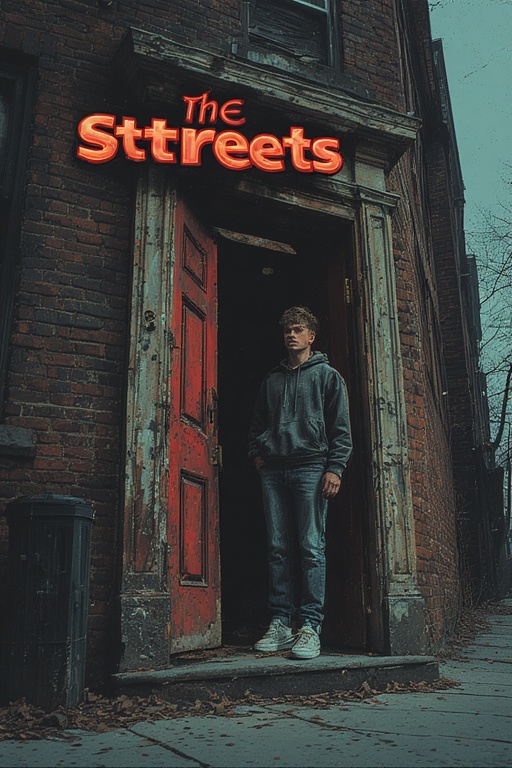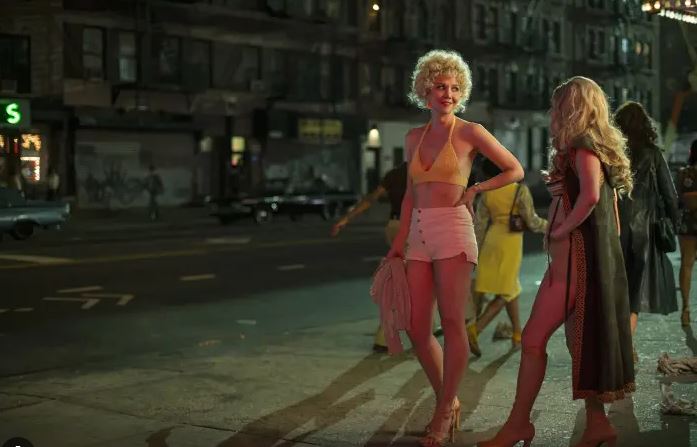
Sex on the Streets My aunt lived in that area, and we were taken there daily. I can remember her telling me that I had to do everything she said. Listen, practice. #Sex #ChildAbuse #SexualAssault #StreetLife
Home: https://www.wendellsweet.com
Sex on the Streets My aunt lived in that area, and we were taken there daily. I can remember her telling me that I had to do everything she said. Listen, practice. #Sex #ChildAbuse #SexualAssault #StreetLife
Home: https://www.wendellsweet.com
The Streets
One evening, I found myself back at the scene of the car accident—the snow-covered road where my life nearly ended. The scars on my body served as tangible reminders of that brutal night; the emotional scars were far deeper. The silence was deafening, broken only by the occasional rustle of the wind. The cold night air, the harsh sounds of snow crunching under my boots; it all was reminiscent of the night that would nearly cost my life. Standing there, I felt a wave of sadness, a flicker of the old fear, but it quickly subsided. The trauma was still there, woven into the fabric of my being, but it no longer controlled me. I had faced it, processed it, and emerged stronger.#True #NonFiction #Crime #Memoir #Kindle #KU Kindle:
Audible: https://www.audible.com/pd/Audiobook/B0FQVL39PF
Home: https://www.wendellsweet.com

Alice in Chains stands as one of the most distinctive and influential bands to emerge from the early 1990s Seattle grunge movement. While often lumped in with their peers like Nirvana, Pearl Jam, and Soundgarden, Alice in Chains carved out a unique sonic identity, characterized by dark, sludgy riffs, unconventional song structures, and the haunting, often harmonized vocals of Layne Staley and Jerry Cantrell. Their music was a raw, unflinching exploration of pain, addiction, and despair, resonating deeply with a generation and leaving an indelible mark on hard rock and metal.
The band’s genesis traces back to Seattle in 1987. The core creative partnership of Alice in Chains was forged between guitarist and vocalist Jerry Cantrell and drummer Sean Kinney. Cantrell, who had been in a band called Diamond Lie, was searching for a new project and a new voice. He met Layne Staley, a charismatic and talented singer who at the time was fronting a glam metal band called Alice N’ Chains. Cantrell, impressed by Staley’s powerful and unique vocal style, was determined to get him into his new band.
The story of how Cantrell and Kinney convinced Staley to join is a testament to their persistence. Staley was involved in a funk band at the time, and Cantrell and Kinney devised a plan to subtly pressure him. They would hold “mock auditions” for a lead singer, intentionally bringing in terrible vocalists to make Staley realize he was the only one they truly wanted. The final straw came when they auditioned a male stripper, which prompted Staley to finally agree to join. With Staley on board, and after recruiting bassist Mike Starr, the new quartet solidified their lineup. They adopted a slightly modified version of Staley’s old band’s name, becoming Alice in Chains.
The band quickly gained traction in the Seattle music scene. Their sound, a potent blend of heavy metal, doom, and hard rock with a bluesy foundation, set them apart. They signed with Columbia Records in 1989 and released their debut EP, We Die Young, in 1990, followed by their first full-length album, Facelift, later that same year. The album’s second single, “Man in the Box,” with its iconic, guttural vocal harmonies and unsettling lyrics, catapulted them into the mainstream.
The classic lineup of Alice in Chains consisted of four key musicians, each bringing a crucial element to the band’s sound:


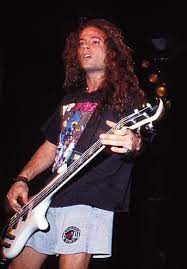
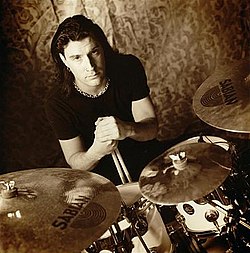
After Starr’s departure, Mike Inez took over on bass in 1993 and has been with the band ever since. Following the tragic death of Layne Staley, the band went on a long hiatus before reuniting in the mid-2000s with William DuVall sharing lead vocal and rhythm guitar duties with Cantrell.
Alice in Chains’ discography is filled with critically acclaimed tracks and fan favorites. While a definitive list is subjective, several songs stand out as their most iconic and influential:
“Rooster” is one of Alice in Chains’ most well-known and emotionally resonant songs, and its meaning is deeply personal to Jerry Cantrell. The song was written about his father, Jerry Cantrell Sr., who served two tours of duty in the Vietnam War. “Rooster” was his father’s childhood nickname.
The lyrics of the song are written from the perspective of a soldier in the jungle, reflecting on the horrors and trauma of combat. Cantrell wrote the song as a way to understand and process his father’s experiences, which had a profound impact on their relationship and family life. The song’s slow, militaristic drum beat, heavy riffs, and Staley’s harrowing vocals create a powerful, cinematic soundscape that captures the feeling of isolation and terror in the battlefield.
In interviews, Cantrell has stated that writing “Rooster” was a form of therapy and the beginning of a healing process with his father. Cantrell Sr. was a consultant on the song’s music video, and it was through this process that he finally began to open up and talk about his experiences in Vietnam with his son. The song stands as a powerful tribute to all Vietnam veterans and a testament to the lasting psychological scars of war.
The tragic story of Layne Staley is inextricably linked to the history of Alice in Chains. For much of his career, Staley struggled with a severe and public battle with drug addiction, specifically heroin. His addiction began to take a toll on his health and professional life in the mid-1990s, leading to the band’s extended hiatus and eventual decline.
Following their last tour in 1996, Staley became a recluse, rarely leaving his Seattle condo. His health deteriorated rapidly, and he lost contact with most of his friends and family. The band was effectively put on hold as he battled his addiction, and although they would perform a few one-off shows, they never recorded another studio album with him.
On April 5, 2002, Staley’s life came to a tragic end. He was found dead in his home from a lethal overdose of a speedball—a combination of heroin and cocaine. His body was not discovered for two weeks. He was just 34 years old. His death was a devastating loss for the music world and a grim culmination of a long and painful decline. The legacy of Alice in Chains’ original era is forever marked by the brilliance and sorrow of their lead singer, a man who, with brutal honesty, sang about the very demons that would ultimately claim his life.
Home: https://www.wendellsweet.com
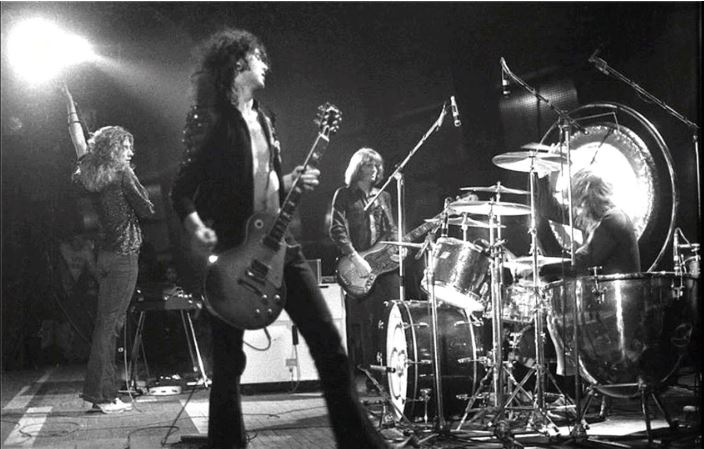
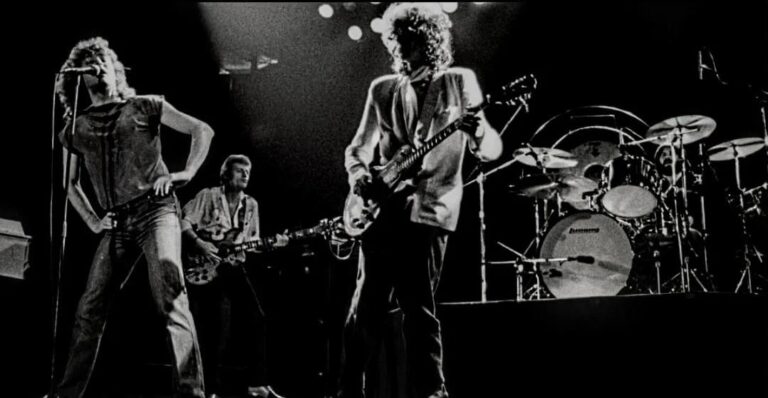
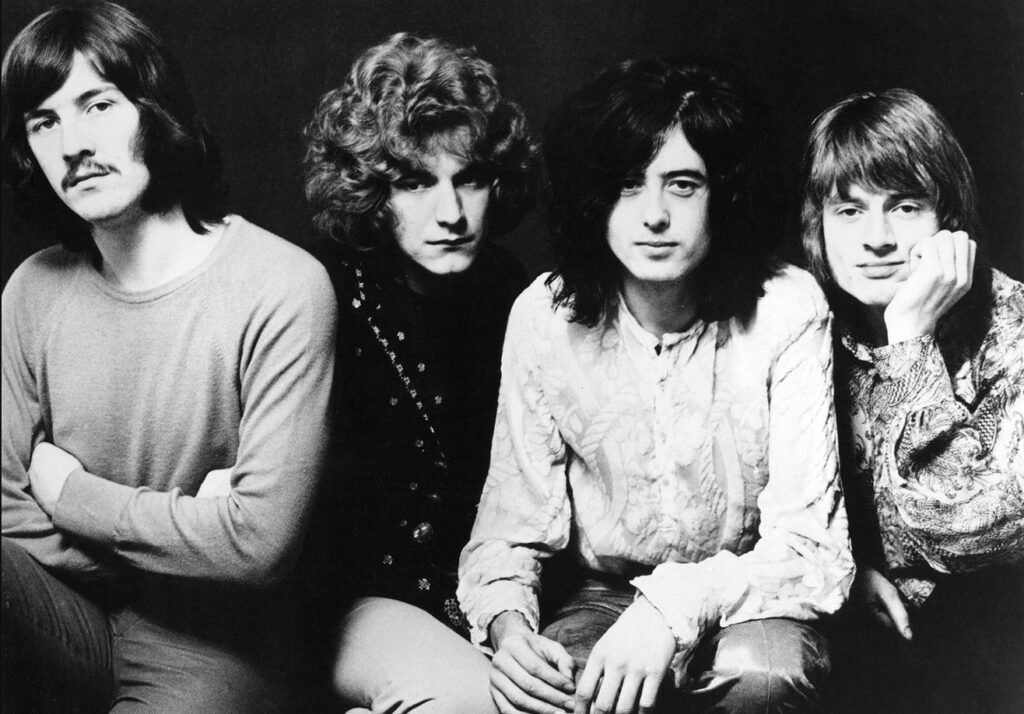
Led Zeppelin stands as a colossal figure in the history of rock music, a band whose innovative fusion of blues, hard rock, and folk created a sound that would define a generation and influence countless artists to follow. Their story is one of rapid ascent, unparalleled success, and a tragic end that left an indelible mark on the music world.
The Genesis of a Legend
The roots of Led Zeppelin can be traced back to London in 1968, and more specifically, to the dissolution of the influential British blues-rock band, The Yardbirds. Guitarist Jimmy Page, who had joined The Yardbirds in the mid-1960s, was left with a contractual obligation to perform a series of concerts in Scandinavia. To fulfill these dates, he set out to assemble a new group, initially known as “The New Yardbirds.”
Page’s vision was to form a “supergroup,” and he began his search for the perfect combination of musicians. His first choice for a vocalist, Terry Reid, declined the offer but suggested a young singer named Robert Plant. Plant, in turn, recommended his former bandmate and drumming powerhouse, John Bonham. The final piece of the puzzle came in the form of multi-instrumentalist John Paul Jones, a respected session musician who had worked with Page and had a reputation for his masterful skills on bass and keyboards.
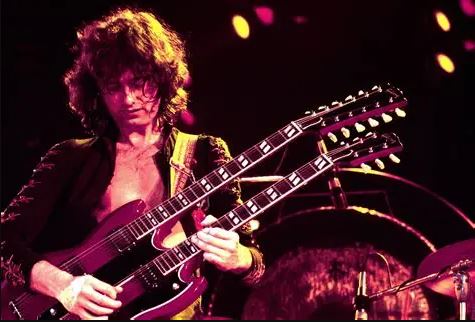
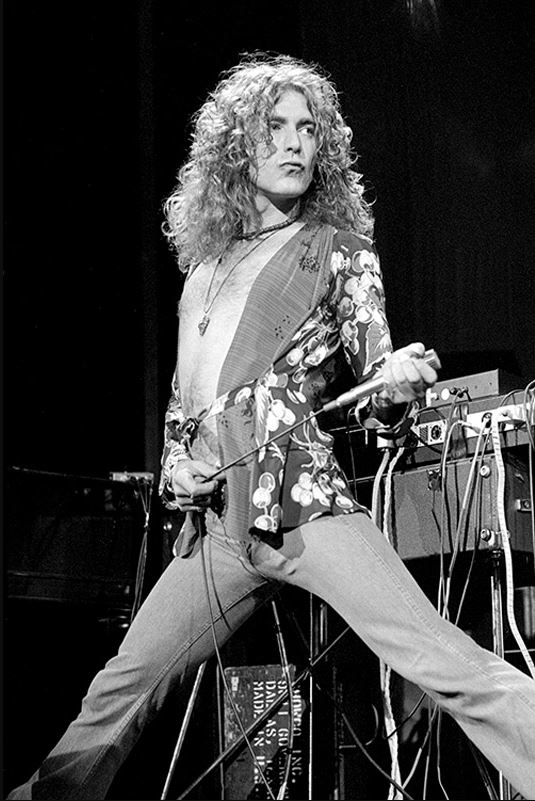
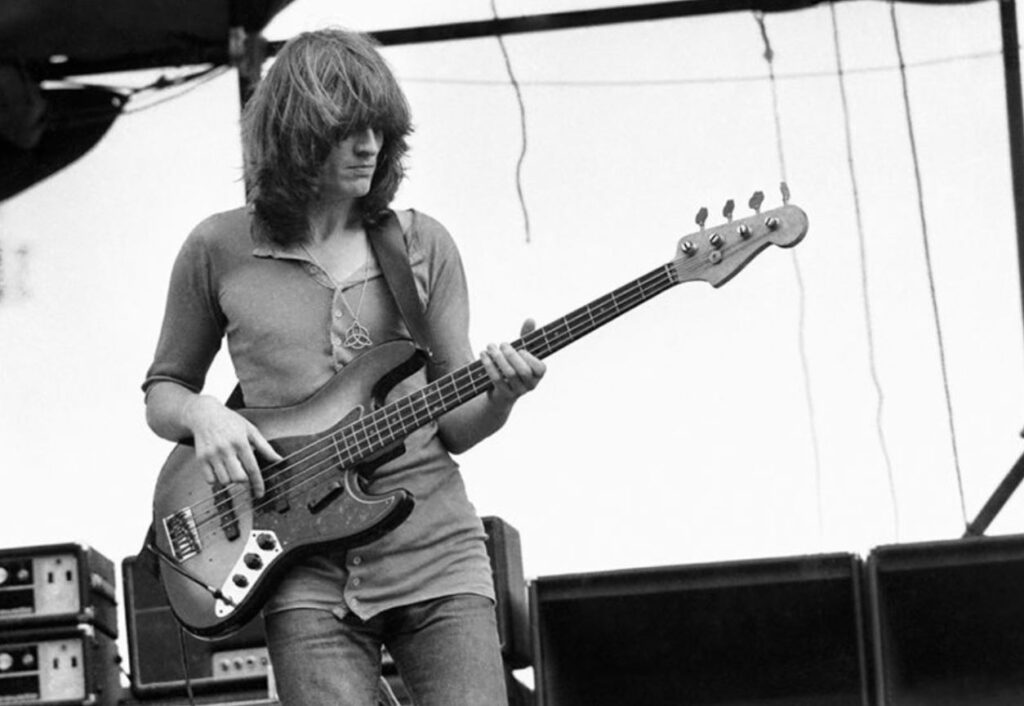
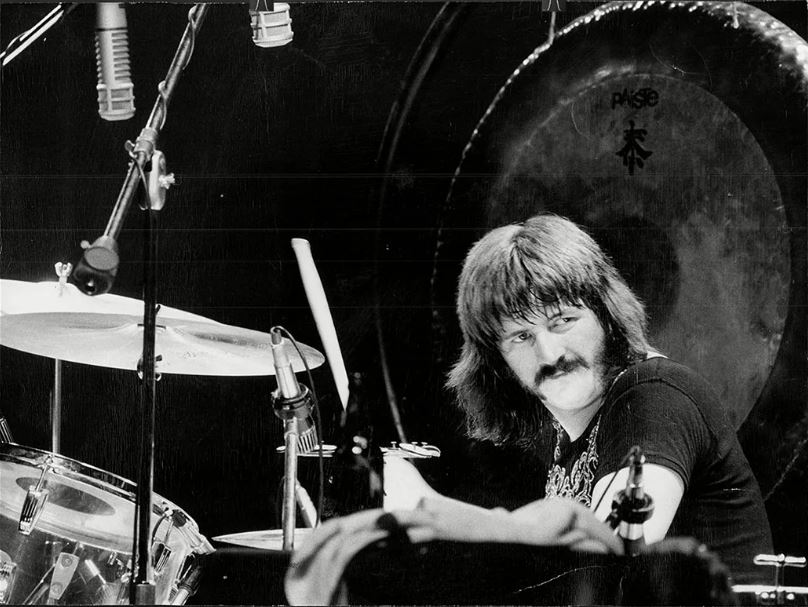
The four musicians—Jimmy Page (guitar), Robert Plant (vocals), John Paul Jones (bass and keyboards), and John Bonham (drums)—clicked instantly. Their chemistry was undeniable, and their first rehearsal in a London basement sealed their fate. They fulfilled their Scandinavian tour dates as “The New Yardbirds,” but a new name was soon to be born. The name “Led Zeppelin” is said to have originated from a joke made by The Who’s drummer Keith Moon and bassist John Entwistle, who quipped that a supergroup with Page and Jeff Beck would “go down like a lead balloon.” Page, with a wry sense of humor, adopted a slightly altered spelling to avoid mispronunciation and the rest is history.
The Major Members: The “Four Symbols”
Each member of Led Zeppelin was a virtuoso in their own right, and their collective genius is what made the band so revolutionary.
A Monumental Discography and Their Biggest Songs
Led Zeppelin’s career, while relatively short, was incredibly prolific, yielding eight studio albums between 1969 and 1979, each a landmark in rock history. Their music was a commercial and critical phenomenon, and they became one of the best-selling artists of all time.
While it’s difficult to narrow down their “biggest” songs, a few stand out as cornerstones of their legacy:
Other notable hits that cemented their legacy include the acoustic beauty of “Going to California,” the raw blues of “Dazed and Confused,” the classic boogie of “Rock and Roll,” and the thunderous beat of “When the Levee Breaks.”
The End of an Era
Led Zeppelin’s reign as the world’s biggest rock band came to an abrupt and tragic halt in 1980. After a long history of touring and a series of personal tragedies, the band was on the verge of a new chapter. However, on September 25, 1980, drummer John Bonham died suddenly from alcohol-related asphyxiation. The remaining members—Page, Plant, and Jones—came to the collective decision that they could not continue without their beloved drummer and brother. They issued a simple statement, announcing the band’s dissolution, and the era of Led Zeppelin came to a close.
Though their time together was relatively short, Led Zeppelin’s impact on music is immeasurable. They pushed the boundaries of rock, incorporating diverse styles and a theatricality that changed the live music experience forever. Their legacy endures not only in the millions of albums sold, but in the countless bands who have followed in their footsteps, inspired by the thunderous riffs and mystical sound of four musicians who came together to create something truly magical.
Home: https://www.wendellsweet.com
The Invisible Writers: Unveiling the World of Ghostwriters
Ghostwriters are the unsung heroes of the literary world, crafting stories, books, and articles that bear someone else’s name. Despite their significant contributions, ghostwriters often remain in the shadows, their work attributed to the credited author. This article explores the world of ghostwriters, their role, challenges, and the industries that rely on their skills.
What is Ghostwriting?
Ghostwriting involves creating content for someone else, usually without receiving public credit. Ghostwriters work in various genres, including fiction, non-fiction, memoirs, biographies, and even speeches. Their primary goal is to capture the voice, tone, and style of the credited author, making the content seem authentic and engaging.
Types of Ghostwriting
The Role of a Ghostwriter
Ghostwriters wear many hats, including:
Challenges Faced by Ghostwriters
Industries That Rely on Ghostwriters
Benefits of Ghostwriting
Famous Ghostwriters
The Future of Ghostwriting
As the demand for high-quality content continues to grow, the role of ghostwriters will remain essential. With the rise of AI-powered writing tools, ghostwriters will need to adapt and focus on creative, nuanced writing that machines can’t replicate.
In conclusion, ghostwriters are the invisible architects of the literary world, crafting stories and content that captivate audiences worldwide. While their work may go uncredited, their impact on the publishing industry and beyond is undeniable. As the demand for quality content continues to grow, the art of ghostwriting will remain a vital part of the writing landscape.
Dell Sweet provides articles, short stories or full-length novels on demand. Crime, Horror, Zombie, Apocalyptic, True Crime, Historical Fiction and more.
Put your copyright notice here
A legal notice here, IE: This story is a fabrication by the author. Any resemblance to actual places, persons or things is unintentional
This is copyright protected material, do not copy and or distribute or utilize this written material in any way.
Aaron walked slowly out of the bedroom, and into the kitchen area. The music had cut off, and suddenly too. And for just a second there. For just one small second there, he had felt as though the last ten years had slipped away, had been made unreal somehow, and he was back in the run-down trailer in good old Palmview trailer court, in Florida. Which was ridiculous, had to be ridiculous, and even he knew that it was ridiculous, but nevertheless it had felt that way.
It had, thank God nothing to do with that though. It was fifty years later, he wasn’t in Florida, and everything was… Well, regular. The damn breaker had flipped again.
A friend had helped set it up, and most of the time it worked just fine, but sometimes, like this time, he thought it didn’t.
Sometimes when the sun slipped behind a cloud the thing just shut down. And the reason was clear. The electricity was solar, and they had hooked up a battery back-up, but the back-up was shot, kaput, done, finished, the damn thing couldn’t hold a charge more than fifteen minutes on a good day, and the last several days had been far from good days. Barely any sunlight six days running and it didn’t look as though there would be any real quick.
No big deal, he thought, as he switched off the main breaker, and then reset the one that had tripped. It wasn’t like there were factories just pumping out batteries any longer.
He had come a long way since his days as the king of rock and roll. And he really had been the king for a while there, even after he died; after he was supposed to be dead, he had still been the king. Still on top and no one had come along to knock him out of that top spot either.
The Star Reporter had still been doing articles about him ten years ago. ELVIS LIVING AS A VEGETABLE IN BRAZIL, was his favorite.
Really? Please, give it a rest. How much, he wondered now did they have to pay those people to say those things? Probably, he concluded, as he always did with a dry chuckle absolutely nothing. They were glad to say it, needed to say it even and would say it regardless of whether they were paid or not.
Wouldn’t they be surprised to know that he had really spent those years since he was supposed to have died flipping burgers in a run-down diner on the outskirts of Miami?
No, he decided, that would be too boring to print. They would have never gone for that.
Aaron chuckled once more and walked back into the bedroom. His friend had stopped by just a few hours before, and invited him over to dinner, no time to think about Slander Sheets now, time only to get ready and not just for dinner. After all, there was some serious business ahead. Very serious, and his friend might not know it yet, but Aaron did he knew it for a fact. And he also knew, had a feeling really that this time… This time the king might really die. He might really die, and…
He chuckled once more, an uneasy chuckle and again began to trim the bushy sideburns that had been one of his trademarks so long ago. It made no difference. Not to him and most surely it wouldn’t make any to his friend. If it was time, it was time. Life hadn’t been so bad, at the least the last several decades hadn’t, not at all. In fact, the last several decades of not being the king, of not living in the shadow of being the king, of not reading all that garbage every day, those years had made all the other years more than worthwhile. If he died so be it, Mamma would be there and Aron would be there, and he had spoken to his friend about death, so he was no longer afraid of it. It was a known thing now, an understood thing and if he had to go he would.
The sound of a motor came to him from outside, slightly loud. The exhaust, he knew, was going on his friend’s old truck. It was too dark in here to see all that well anyway without the light. He set down the scissors and left the bedroom just as a short and feeble-sounding toot came from the truck outside. His friend could use a new horn too, Aaron thought, as he opened the front door, and walked to the truck.
The large speed boat moved quickly through the morning air across the choppy surface of the water. The dark-haired side-burned man at the wheel piloted the boat easily, although in truth it had been several years since he had been at the wheel of a boat of any kind.
For the last five, he had been holed up in the run-down trailer, leaving only to walk to his job at the fast-food restaurant down the road. Even he had begun to grow sick of his existence.
He tried to push the thoughts out of his mind. It no longer mattered, and he was determined to leave that part of him behind. It was too painful, a shadow existence, not at all what he had imagined it would be like. Despite his efforts to push it away, it all came back in a flood. All of it, not just the trailer, and his miserable existence there, but before the trailer, the life he had led before he had ended up there.
If the trailer and the crappy string of jobs he had worked to stay alive was bad, the time before had been even worse for him. It hadn’t started that way. In fact, it had started simple, innocently even, with just one small lie. The lie hadn’t been told by him, but by Mamma. That lie had blossomed into a huge deception. A deception that he’d had to live every day in the old life.
Times had been tough then, Mamma had told him. You could tell a person that times had been tough, but telling them didn’t mean they truly understood it. No matter, the times really had been tough, very tough, and she had been forced to decide. No man to care for the family, no money, and twin baby boys, one at each breast. The solution, although painful, had been obvious, and her sister had been agreeable. She could not support both of them, one more mouth to feed was enough to contend with.
Time went by. A lot of time and he had gone on to become a somebody, to use Mamas words, a big somebody. And Mama hadn’t expected that, she had seen nothing beyond the miserable existence they lived, let alone that he would make it big. People would look up to her boy? They would place him on a pedestal? No sir, she had told him honestly she had never even imagined it at all.
Then she had told him with tears and a great many stops and starts, but she had told him. His twin brother had not died at birth. There was a body, but it had belonged to Mamma’s sister and that child had been still-born, his brother was very much alive somewhere in the back country of Mississippi.
It had quickly become an obsession for him, at least until he had found him, and brought him to the huge mansion to live with his real family. He never realized until after, that it had been a mistake. If life had been hard for him to cope with, it had been doubly hard for his brother. He had been unable, or unwilling to deal with it. To the world he was dead, a non person, and it had finally caught up to him.
His brother had taken his own life. Mamma was long dead at that time, and her passing the way she had, had taken a lot of the heart out of both of them. No one besides Mama and Mama’s sister had known of the brothers existence. He had even managed to hide it from his own wife.
By that time he himself had grown tired of life. His wife was ready to leave him, Mamma was dead, what was the use, he had wondered, and then he had walked into the bedroom to find his brother dead. A scatter of empty pill bottles surrounding him.
Everyone he had loved, everyone who had loved him, had gone. He was alone, and . . . he had simply walked away. He had taken some money with him, not a lot, a couple of thousand dollars he had kept in the bedroom wall safe, along with the pistol he kept next to the bed, and just walked away.
The money he hadn’t understood at first, but the pistol he had plans for. He had intended to end it, the whole lie, one quick shot to the head, and he could join Mamma and his brother.
In the end he simply had not been able to pull the trigger, and, the way things had turned out, he supposed he was glad he hadn’t.
He had been riding in the cab of an old beat pickup early the next morning, when he had heard the news. The driver had picked him up hitchhiking, just ten minutes before. He had listened with shock, as the special news bulletin had broke into the music. The old farmer that had given him the ride, had gave him a strange look as he had reacted to the news. “Din’t you hear ’bout it?”
He had only wagged his head no.
“Yep, right on the shitter too, the king was on his throne at the end, that’s for sure.” he chuckled briefly at the small joke. “You know, you look sorta like him. Bet you heard that before though, huh?”
He had managed to snap his mouth shut, and thought quietly about it instead as they drove along. He was dead, or so the radio said, and wasn’t that a crock? And how had his brothers body gotten from the bedroom, to the bathroom? No answers.
At first he had felt nothing at all except a sense of sadness and a realization that once he surfaced he would have to set the record straight.
The old man driving the truck had dropped him off in the middle of Alabama later that day and as he stood hitching a ride further south it had suddenly dawned on him.
He had been about to climb up into the cab of an eighteen wheeler when it struck him, and he had stopped cold. The driver, after staring at him for a few seconds, had taken off like the hounds of hell were on his tail. The truck door slammed shut of its own accord, and he had been left standing in the dust, thinking.
That had been the start, and with the remaining money he had on him he had bought the trailer, which even then had been old and run-down and had begun his new life. It hadn’t been a bad life, much better than the one before, but it had slowly been suffocating him. Every time he picked up one of the slander sheets, as he thought of them his name was in it.
He was being kept alive on the moon, or working at a donut shop, whatever. Garbage story after garbage story, his ex-wife was doing this or that, his body guard had done this or that it was beginning to drive him crazy. That and the new music. At first it hadn’t been too bad, or at least not mainstream too bad, but then, as far as he was concerned, it had gone down hill fast. The only good thing had been the bargain bins at the local thrift store, stuffed with fifties music on cassette tapes for a buck a piece. It had been a gold mine, that and the cheap plastic cassette player he had bought used for five bucks. It had kept him going a long time, or at least as long as he had needed to keep going, he realized.
The press had found him. Just a odd chance in a million, maybe a billion, but they had found him. He had caught the photographer hiding out in the bushes at the edge of his driveway. A lady in a nearby mom and pops store had seen him and called the paper to report it. The reporter had thought it was bullshit, or so he had told Arron, but the very next day he had caught him nosing around his garbage. No good for him if the guy was digging that deeply into it. Although there was nothing in the garbage that would help him; if he really was that motivated he would eventually find something to prove who he was.
So, he had called his friend. In the early years he had done a little debt collection for a local bookie. Not something he was proud of, but you did what you did to survive, and the early years had been lean. That connection had been there for years. The bookie retired, the son took over and Aron still did a few favors for him. Now he needed a favor and so, he had asked.
It was no trouble for the son. He had made the arrangements in just a few hours. Louisiana. Swamp country, a place in the middle of nowhere where no reporters ever came, unless they wanted to leave in a box. The trailer home would have an accident. The investigators would find a body. That would be that. So, he had to die, but like the last time it was not a real death.
He glanced over his shoulder at the horizon as the boat plowed through the water. Now he had a new life, a real new life, and he could be any one he wanted to be. Live anywhere he wanted to live, and there would be no more shadows over his life.
He smiled into the wind. It felt good, really good, he told himself, and he was looking forward to being a real person.
As the boat plowed along through the Louisiana bayou country, he said a silent prayer of thanks. God had delivered him, he felt, to a life that was filled with possibilities. The best of which was just being a regular person, as they used to say back in Mississippi, just regular…
An example of a short story. If you need to check out some of my novel length work let me know. I also do cover design, Amazon Kindle and Paperback formatting and ePub production. Dell Sweet wendellsweet7@gmail.com Subject: Ghostwriter … Important, if you contact me via email make sure to mark the subject matter as Ghostwriter or I will not respond. Thank you. Phone number will be provided and immediate answer eMail upon hiring me.
Home: https://www.wendellsweet.com

Over 50 Manuscripts available
1. Working title “Escape to the Past”
Plot Overview
The story follows Ben Watson. He is almost 70 years old and his life is in shambles. He has been married 4 times, and each marriage has been progressively worse. Now he is with a woman Sarah Horton, twenty years his junior and has learned to have a real relationship. She has been through trauma of her own, including a 25 year marriage and three children with a man who abused her, cheated on her and she finally worked up the courage to leave. Ben has three children of his own. Neither Ben nor Sarah see their children.
Main Story lines
2. Series Working Titles “Survive” 6 manuscripts dystopian survival series.
Plot Overview
The book follows survivors of a worldwide catastrophe which destroyed governments, cities, and social structures. Small groups of people band together to survive, rebuild, and create a new society.
Main Storylines
3. Working Title “Living in the ‘Nam” War, action, thriller, military survival.
General Plot: A group of men fight their way through the jungles of ‘Nam and Cambodia. Based on a short story I wrote a few decades ago. This follows the company of men assigned to patrols, seek and destroy missions. Here is a sample from the manuscript…
The hulking silhouettes of the Huey helicopters, their rotor blades a thunderous percussion against the bruised dawn sky, began their descent. Sergeant Beeker, helmet already snug, felt the familiar vibration hum through the soles of his boots, a premonition of the chaos to come. Below, the shoreline of Vietnam, a ribbon of pale sand fringed by an impossibly verdant jungle, beckoned with the promise of both mission and peril. The air, a thick, suffocating blanket, tasted of salt and the metallic tang of distant ordnance, a pungent perfume that immediately stripped away the sterile calm of the transit. It was a sensory assault, a brutal welcome to a war that had already claimed so many.
The roar of the engines, an all-consuming presence, seemed to drown out the ceaseless, percussive rhythm of the ocean’s surf crashing onto the beach. This was no tranquil shore; it was a contested threshold, a place where the known world bled into the terrifying unknown. Beeker’s men, their faces a mixture of grim determination and thinly veiled apprehension, shifted their weight, the heavy bulk of their rucksacks and gear an immediate reminder of the burden they carried, both physical and metaphorical. Each man was a walking arsenal, his life dependent on the mechanisms and ammunition strapped to his back, but also on the mettle of the souls beside him.
As the choppers settled, kicking up clouds of sand and spray, the ramp dropped with a clang that echoed Beeker’s own internal alarm. The men spilled out, a river of olive drab flowing onto the alien sand. The humidity seized them instantly, clinging to their skin like a second, sweat-soaked uniform. It was a damp, cloying embrace that promised no comfort, only discomfort and the constant threat of chafing and exhaustion. The sand itself was a deceptive carpet, shifting and soft underfoot, betraying the firm ground they had left behind. Every step was a conscious effort, a battle against the terrain before the real fight even began.
Beeker scanned the treeline, his eyes, trained by countless hours of instruction and grim experience, searching for any flicker of movement, any anomaly in the otherwise uniform green. The jungle loomed, a dense, impenetrable wall of vegetation, its silence unnerving. It was a silence that screamed of hidden dangers, of watchful eyes and coiled muscles. The distant artillery, a low, guttural rumble, served as a constant reminder that this was no isolated incident, but a theater of war, vast and unforgiving. The ocean’s roar, a primal force, seemed to mock their fragile human endeavors, a reminder of nature’s indifference to their plight.
Corporal Davies, his face tight with strain, adjusted his M16, his knuckles white. “Hot here, Sarge,” he muttered, his voice a rough whisper swallowed by the din.
“Keep your head down, Davies,” Beeker replied, his gaze never leaving the jungle’s edge. “It’s always hot.” He knew the heat was more than just the oppressive climate; it was the simmering tension that permeated the air, the unspoken fear that clung to each man like the sticky humidity.
The men began to spread out, fanning across the beachhead, their movements practiced and efficient, yet underscored by a palpable urgency. They were a small island of ordered chaos in a sea of natural indifference and potential hostility. The objective was clear: establish a perimeter, secure a foothold, and prepare for whatever came next. But the sheer scale of the task, the vastness of the enemy territory they had just infiltrated, weighed heavily on Beeker. They were a single unit, a mere handful of soldiers against an unseen enemy who knew this land intimately, who could melt into its shadows and strike with deadly precision.
Private Miller, barely out of his teens, stumbled slightly, his pack riding high on his shoulders. Beeker caught his eye, offering a curt nod of acknowledgment, a silent reassurance that he saw him, that he was accounted for. Miller’s youth was a stark reminder of the innocence being stripped away, piece by piece, with every step they took deeper into this conflict. The boys who had left home, full of bravado and patriotic fervor, were slowly being chiseled into something harder, something more resilient, but also something irrevocably altered.
The beachhead was a treacherous expanse, a narrow strip of vulnerability between the vast, indifferent ocean and the dark, menacing embrace of the jungle. It was a place of transition, a point of no return. The initial moments were critical, a race against time to establish a defensive line before the enemy could exploit their exposed position. Every man understood his role, the importance of his contribution to the collective survival. They moved with a focused intensity, their senses heightened, tuned to the subtle shifts in the environment that could signal danger.
Beeker felt the familiar knot of anxiety tighten in his gut, a constant companion on these deployments. It wasn’t the fear of death, not exactly, but the fear of failure, the fear of not being able to protect his men, the fear of making the wrong call that would send them all into the abyss. He trusted his training, his instincts, but he also knew that in this war, intuition and experience often warred against a capricious and brutal reality. The dice were loaded, and the stakes were lives.
As the perimeter began to take shape, a series of hasty defensive positions dug into the soft sand, a low hum began to fill the air, different from the helicopters’ departing thrum. It was a subtle sound at first, easily dismissed as the wind or the persistent insects. But it grew, becoming more distinct, more… purposeful. Beeker’s head snapped up, his gaze sweeping the treeline with renewed intensity.
“Hear that?” he barked, his voice cutting through the ambient noise.
A ripple of apprehension went through the men. They had been trained for this, prepared for the sudden eruption of violence, but preparation could only do so much against the visceral shock of contact. The enemy was always the unseen variable, the ghost in the machine, capable of materializing from nowhere.
Dozens of manuscripts ready now, or tell me what you need and I will supply it. I may even have what you want already written, Dell Sweet
Contact info: radsandboxofficial@gmail.com Subject: Ghostwriter
Info: Manuscripts are finished to the point where you can edit and make them yours. The story lines are completely written. The manuscripts average about 100 k. There are character names and place names, they can easily be edited and mass changed.
You can check out my work on Amazon to see how I write and to satisfy yourself that I am legitimate and professional as well as a quality writer. Over 50 manuscripts available in many genres.
Dell Sweet, one of my popular pen names: https://www.amazon.com/stores/Dell-Sweet/author/B01N24V05N?ccs_id=755e0992-d485-44ee-8d16-5d450d6f6a88
Geo Dell, another of my popular pen names: https://www.amazon.com/stores/Geo-Dell/author/B00BI08VNY?ccs_id=74f99b9e-a89b-42a4-870c-cfe7c0a556cf
Dell Sweet, books available at Smashwords: https://www.smashwords.com/books/search?query=Dell+Sweet
Dell Sweet, books at D2D: https://books2read.com/ap/nEEWOy/Dell-Sweet
Dell Sweet, books at Apple: https://books.apple.com/us/book/earths-survivors-life-stories-bear/id1260438647
George Dell, Audible books: https://www.amazon.com/s?k=George+Dell&i=audible&ref=dp_byline_sr_audible_1
W. G. Sweet, Amazon and Audible: https://www.amazon.com/stores/W.-G.-Sweet/author/B08X8ZL2VT?ccs_id=d6785cb8-c273-4e89-be21-6e3b6357072a
Wendell Sweet, paperback books: https://www.amazon.com/Point-Return-featuring-Larkin-Detective/dp/B0G4JP9GXZ/ref=tmm_pap_swatch_0
Paul Block, at Amazon and Audible, paperback: https://www.amazon.com/dp/B0G61K16DJ?binding=kindle_edition&ref=dbs_dp_rwt_sb_pc_tkin
Lindsey rivers, Amazon: https://www.amazon.com/dp/B0FPT8BHX9
W. W. Watson, Amazon, Audible and paperback, hardcover books: https://www.amazon.com/stores/W.W.-Watson/author/B00BIDAEUE?ref=ap_rdr&shoppingPortalEnabled=true&ccs_id=f3507375-2a01-4be6-af1d-43364748f5fd
Anna Kay, Amazon Kindle, Paperback, Audible: https://www.amazon.com/dp/B0CM2X52X7
I have other pen names I publish under. I do not reveal clients work, manuscripts, published works, covers or anything related to work I have done for other writers.
Common Questions:
Price does vary a great deal unless it is just a manuscript purchase. I have published over 300 novels, short stories, and many series. I write and publish in many genres. I do the writing myself, it isn’t farmed out. I don’t edit what I write other than to check spelling errors and basic grammar. Manuscripts are finished to the point where you can edit and make them yours. The story lines are completely written. The manuscripts average about 60k to 100 k. There are character names and place names, they can easily be edited and mass changed. You can follow the links to my work and read novels and or short stories I have written and published
As for price, I can do writing on demand. The price per hour is U.S. $25.00 per hour. Or, if you need a complete manuscript I can and do write them without the editing, as I mentioned, for between $1,200 and $2,500 U.S. . If you wish, I do have access to editors, formatters and I am familiar with publishing with D2D or Amazon, Google Play.
Publishing through D2D gets you published everywhere, Kobo, Nook, Smashwords, Apple several libraries and other book sellers worldwide and also Amazon (As long as the book is not a Kindle Unlimited book).
Publishing with Amazon or Google Play gives you access to Audio versions of your book as well. Amazon sells Audio books as their own imprint as well as through the Audible company owned by them. Google Play sells them directly through Google Play with an additional link next to your normal book link.
I create covers as well. Look at anything I have published and the cover you see is created and designed by me. My wife is the author/promoter A. L. Norton. She has been helping Authors reach best seller lists for several years.
In short, I can handle the entire book from start to finish. Written, formatted, edited, cover design, published and promoted once or long term. Average prices will be about $2,500,00 U. S.
Before any work begins we will discuss your expectations. We will also speak on the phone and through messenger. We will come to an agreement and then put that in writing and I will begin writing.
At the end of the process, and or several times during the process you can check the work if you wish. You can submit a plot outline and make it part of the agreement.
Once we agree and the work is done I will expect payment. I will do my best to make you happy and if that means a plot re-write I will do that up to three times to make you happy. If I finish the work and I am not paid the work becomes mine to do with as I choose. Once the work is paid for I will finish the short publication process which will publish the work in your name or pen name. From that point on you own it. Publication secures copyright for you. I do not submit work to the U. S. Copyright office as there is no need to do that. Copyright is automatic on publication. Amazon provides a free ISBN that in no way impedes your copyright or makes any part of your book theirs or mine.
If you know how to publish, make your own covers, have an editor you want to work with, you can simply purchase a manuscript and do all the work yourself. Select the story, genre, length and I will quote you a competitive price between $800.00 U.S. and $1,000.00 U.S.
Please don’t ask me to deliver completed manuscripts without payment.
Copyright 2026 Dell Sweet, all rights reserved
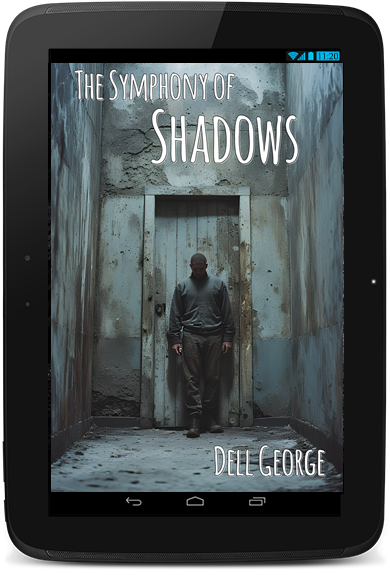
The Symphony of Shadows
The prison uniform, now discarded in a shadowed alcove, lay like a discarded skin, a molted shell of a former self. It was a stark visual representation of his transformation, a physical shedding of the past. #Prison #crime #Thriller #Drama
https://books2read.com/u/4DdKle
Surviving the Wastelands
My head swam. I tried to focus, to piece together what had happened, but my memories were fragmented, blurred like a badly scratched photograph. Images flickered – a flash of bright light, the deafening roar of something immense, the sickening crunch of collapsing structures…and then, nothing. Only the darkness before the agonizing awakening in this hellish landscape.

#Dystopian #Apocalyptic #Survival #Epic #Disaster
https://books2read.com/u/m2NYv1
A journey beyond the Horizon
The ‘Sea Wanderer’ was more than just a vessel; it was their home, their adventure capsule, a testament to years of planning, saving, and dreaming. It was a forty-foot sloop, built to withstand the rigors of extended ocean voyages, her hull a sturdy, reassuring blue, her sails crisp and white against the deepening azure of the sky.A few weeks into their ocean cruise life for the Robinsons takes an ominous turn when a sudden storm wreaks havoc on the ship and family…
#ShipWrecked #Epic #LostAtSea #Drama #Thriller

https://books2read.com/u/bO8yAJ

A Good Plan.
I have a plan. I think I spent a good portion of my life without a plan. Just sort of walking along, not really expecting much at all, at least nothing good. I had a larger view of the world that said, “What happens, happens. It’s pretty much ordained, and so there is little I can do about it.” Does that sound ridiculous? Well, it does to me too, now anyway. But for most of my life I had that thought in my head and so, true or not, I believed it to be true and it became true.
Then one day I woke up. I woke up and I looked at the world and I thought “What the hell have I been doing? Why am I in situations I do not want to be in? Where the hell is this car going? Who’s driving?”
After that I went through a period of cynicism. It is the worlds fault. I didn’t have a chance, someone should have told me. More in that vein. Then I stepped back, looked at it and I realized I had had good breaks. I had seen things clearly. I had looked at it. And I had decided that I didn’t want to drive. I had decided to be a passenger. Well, you got to go where the driver is going then. You have eliminated all of your other choices.
So I made a plan in four parts. My plan was pretty simple.
One: I will retain all the control over my own life that I can. As long as getting that control doesn’t cause me to hurt someone, doesn’t become all encompassing. Doesn’t make me stop seeing that compromise is a part of life. I have thought out my actions rationally, without simply reacting during the heat of the moment. Man, I thought. There is a lot to do to simply have control over your own life. And how come I have to give up some of that control to have control. Isn’t that the opposite of what I wanted? It is, but it is the way the real world works.
Two: I will set goals and work toward them. In that way the things that are truly important to me are attained. Great. That is great. A clear path to a clear future, to… No. The problem is that we do not live in a vacuum. How do you set your goals and have them remain static? You don’t. At least you don’t if there are people in your life you care about. I remember someone asked me, what are your plans for the future, and I said well I plan to leave here, move to the middle of nowhere and live off the land as best I can. Maybe find someone who wants to do that and that would be great, a perfect life.
As soon as I said the words I knew I was not thinking rationally about it. If I love people that are in my life then they should count when I make plans for the future. Having lived most of my life in the vacuum that is alcoholism I had rarely ever considered others. Tough to admit, but true, so as I was saying the words they became untrue. I realized my family and friends were more important to me that anything else. And I realized I had to permanently alter my thinking. The people you love have to count. Compromise is a part of life. People who are living in the world know all about that. Those that are only in the world don’t really understand that. Which type did I want to be?
Three: Doors. I grew up on the streets. Yes, I grew up with a moral code, but chances are it was not the same moral code that most people that know me grew up with. On the street loyalty was a big deal. Men would say, “Hey, I’d die for you,” and they meant it. You could watch someone do the worst thing in the world and you would keep your mouth shut. Loyalty. It was a code. Somehow the cops became the bad guys and the bad guys became the good guys. Sounds like different subjects, but it isn’t. You are isolated from mainstream society. Disconnected: Mainstream society becomes incomprehensible. It makes no sense at all. Meanwhile the people you deal with come in and out of those doors you have. Those doors you can choose to open or close. Only you are so disconnected that you leave them open all the time and people come in and out. You become a doormat. You understand doormat. Doormat makes perfect sense. Use and be used. Except, when you come off the streets you still have the doors open. Wide open. You let everyone in, some you should, some you shouldn’t. Some who mean you grave harm, some who try to love you, but you don’t understand any of that. You only left the door open and the stuff is happening People are coming and going.
So one of things I did was shut the doors. Yes, at first, all the way. Then I realized those doors are there for a reason. A door is meant to be opened and closed. On a warm summer night you can crack it a little to let some air in. In the winter to close it to keep the heat in. And life is the same way. Sometimes you can decide to let that person in. Others no. Still others, crack it just a little. Let that breeze in. Maybe leave the screen door shut to keep the insects out. Poor analogies, I know, but I was a street kid. A street kid who was far from stupid, but carried my ignorance like armor. I finally got it though, and I told my self that from now on I would choose how far I would open that door.
Four: The plan. I will sit down and look at what I really want out of life and begin to work toward it. I will realize that, long before I attain it, something might happen that will cause me to want to change my plans. I can not be so rigid that I can not look at it and realize that it needs to be changed. That my needs have changed. That someone in my life has needs that will affect my own needs and that I may have to sit down and do it all over again. Set a new goal. Come up with a new plan. That it’s okay to do that. That if what you are doing no longer makes sense you need to do something else.
That was how I came up with my plan. My plan was a multi year plan. Save my money. Then go in one direction or the other. Land or sea.
Sea: Buy a boat. A big boat. Cast off and spend a few years, as long as I can, sailing. After all, the price of a house, it is about the same.
Land: Buy some land in the mountains. Build another house, I have done that before, and that’s it, retire. Walks in the mountains. Maybe do the Appalachian trails. Live as close to my characters lives in my books as I can.
Then I mentioned it to people in my life. By the time I got their reactions I realized that I may just have to scrap both plans and start over. Not because any of them said anything to dissuade me, but because I realized how much I loved them and would miss them if I did either of those things. How life really is about compromise. After all, I can rent a boat, can’t I? I can rent a cabin in the sticks, can’t I? I can walk the Appalachian trail, I don’t have to live there to do that. So I made a new plan. My new plan is not to make any other plans until I sit down and think about the people I love and how it will impact them and me.
Hope you had a good week…
Home: https://www.wendellsweet.com
The Streets
By Wendell Sweet
One evening, I found myself back at the scene of the car accident—the snow-covered road where my life nearly ended. The scars on my body served as tangible reminders of that brutal night; the emotional scars were far deeper. The silence was deafening, broken only by the occasional rustle of the wind. The cold night air, the harsh sounds of snow crunching under my boots; it all was reminiscent of the night that would nearly cost my life. Standing there, I felt a wave of sadness, a flicker of the old fear, but it quickly subsided. The trauma was still there, woven into the fabric of my being, but it no longer controlled me. I had faced it, processed it, and emerged stronger.#True #NonFiction #Crime #Memoir #Kindle #KU Kindle:
Audible: https://www.audible.com/pd/Audiobook/B0FQVL39PF
Home: https://www.wendellsweet.com
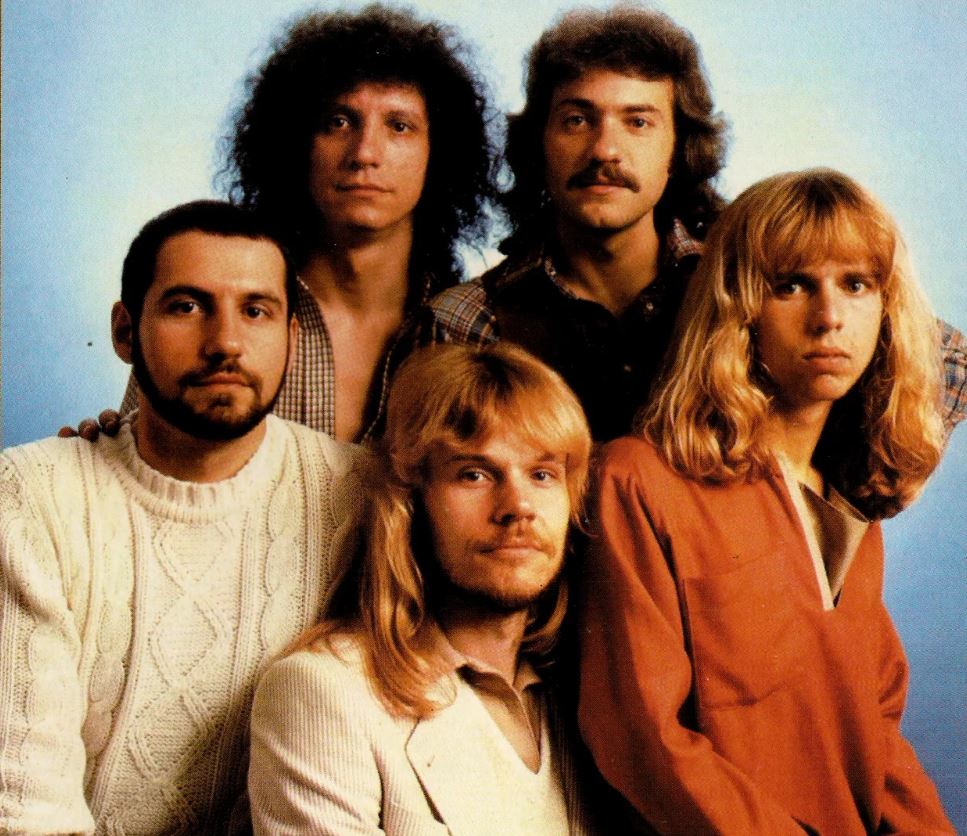
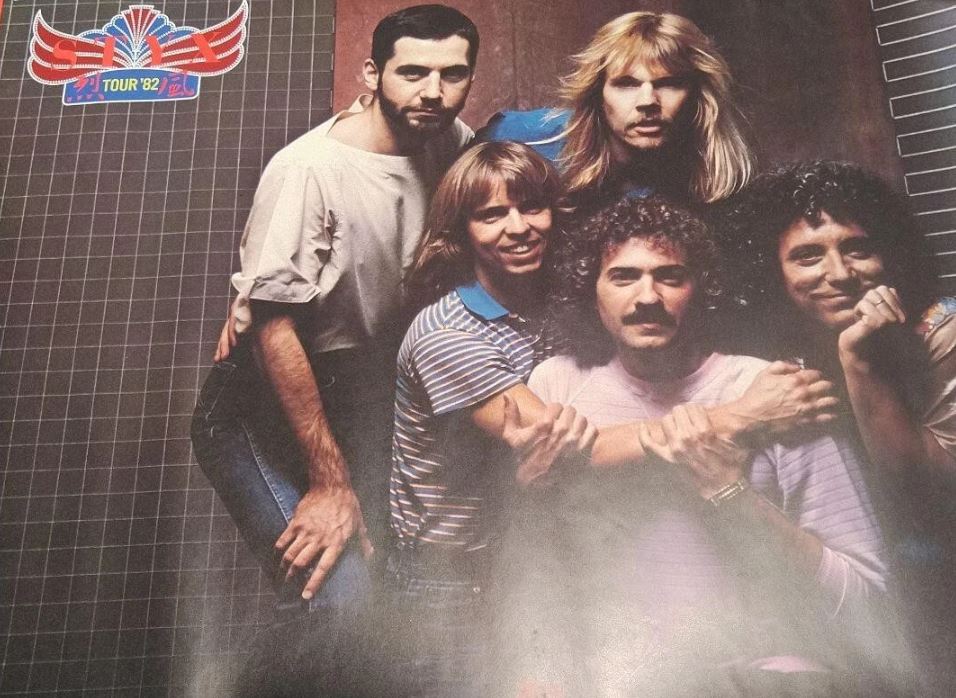
Styx Band Overview
Rise to Fame
Band Members
Interesting Facts
Home: https://www.wendellsweet.com
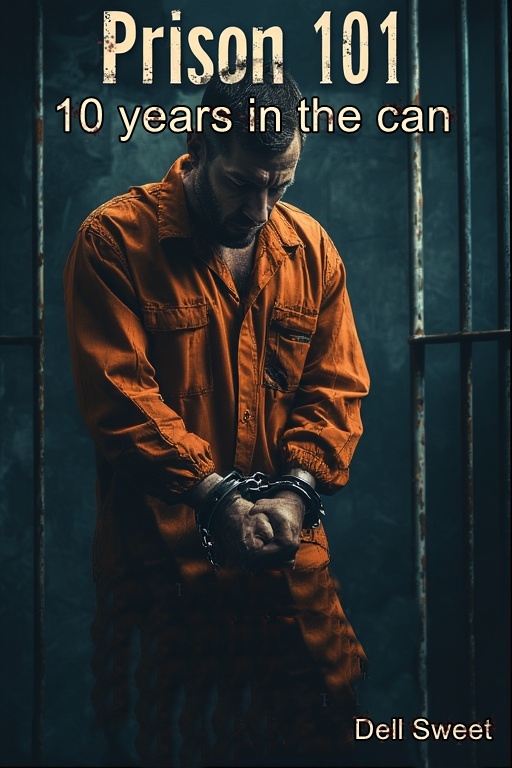
by Dell Sweet (Author) Format: Kindle Edition To my brothers and sisters on the inside, those whose names I whisper in the quiet hours, those who taught me the brutal calculus of survival: may your scars be badges of your strength, and may your eventual release be a sunrise that washes away the long night. This book is a testament to your resilience, a raw whisper from the belly of the beast. It is for the ones who never made it out, whose lives were extinguished by the system, and whose memories serve as a perpetual warning. #Prison #Crime #Survival #Inside
Home: https://www.wendellsweet.com