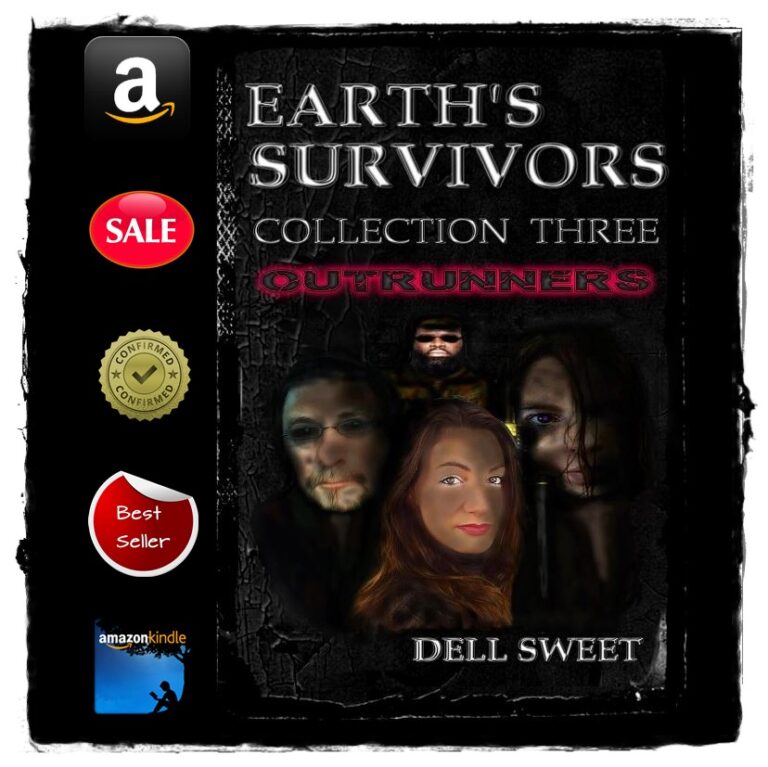
3.6 3.6 out of 5 stars 2 ratings There were three books written that were then discarded. All of the collected OutRunner books in one place. #Dystopian #ApocalypticFiction #Horror #ZombieFiction #Series
The dead were all around, pulled from their wanderings by the sound of the wreck and the smell of the living. #Zombie #AvidReaders #ApocalypticFiction #Horror #BookLover #Kindle #Amazon
I still feel human: If it made changes to me, they are very small changes…ย But the dead. Oh, the dead, that is a different story. It did something else to the dead. #Apocalyptic #Readers #Amazon #Kindle #BookLovers #Horror
This book begins at the beginning of the apocalypse and works through the first few months as Bear makes his way from Manhattan to New Jersey; Pennsylvania and then through the middle states. And finally Kentucky where he meets Mike Collins and becomes a member of the fledgling Nation, founded by a group of survivors who believe they have found the perfect place to begin to rebuild society… #Horror #Series #Dystopian #Apocalyptic
She travels across the country with Billy, facing both the living and the dead as she makes her way from one coast to the other. The trip is long and she is holding out hope of structure, life, safety on the east coast: Hopes that may not be realized. Still they continue. Depending only upon one another as they struggle to make their epic journey… #Horror #Series #Dystopian #Apocalyptic
He lay there for a long time, the rough, unfamiliar texture of the thin mattress an insistent reality against his skin. His body ached with a weariness that went beyond mere physical exertion; it was a soul-deep fatigue, a profound exhaustion born from the relentless weight of his own undoing. The remnants of his past now pressed down on him like the relentless sun… #Horror #Series #Dystopian #Apocalyptic
Candace and Mike: The two most popular people from the Earth’s Survivors series. The extended book tells their story from their point of view; start to finish as they make their way through the apocalypse… #Horror #Series #Dystopian #Apocalyptic
The weight of his pack felt less like a burden and more like a promise. A promise of a few more days, a few more weeks, where the immediate threat of starvation was held at bay. A promise that he could continue to move, to explore, to survive. The cacophony of the infected was not merely a byproduct of their existence. Maria, hunched over her worn journal in the meager light of her shelter… #Horror #Series #Dystopian #Apocalyptic
Amy and Diedra are best friends, maybe more, something always seems to be in the way every time an opportunity to explore the possibilities arise. Dave Plasko is serving a long sentence at Huntsville state prison, and after that he will be transferred to New York to serve more time. Rebbeca Monet is working her way up the ladder of success in the television reporter game. A hurricane of epic proportions is heading towards Mobile Alabama. The lives of the people involved will never be the same again… #Crime #Drama #Action #Readers #DellSweet #KDP #KU
A crash came to his ears, but he could not tell if it was from the downstairs hallway. At least he hoped it was the downstairs hallway, not the stairs outside of their apartment, or, God forbid, even closer. He jumped from the tangle of blankets, started to pull his shoes on, and then reached for his machine pistol instead as another noise came from the hallway. #Horror #Series #Dystopian #Apocalyptic
There were four of them outside the vehicles talking or keeping watch on the parking lot. Bear and Beth, Mac and Billy. When the first one dropped, Billy spun around and clubbed it to the ground. But the rest came so fast that they could not hope to easily and quickly pick them off.
Things were crazy, and they seemed to be getting worse as the days rolled by. The police precinct was still burning. It had started sometime during the night two days before, and since there was no one to put the fire out, it had been raging for hours now. A few minutes ago, the roof of the building next door to the precinct burst into flames. #Horror #Series #Dystopian #Apocalyptic
New York City’s formation began with the Lenape Native Americans, who inhabited the area long before European explorers arrived. Here’s a brief overview of the city’s early history:
Early Settlement
Lenape Native Americans: The Lenape people were the first inhabitants of the region, living in the area between the Delaware and Hudson rivers. They hunted, fished, and farmed the land, and had a rich cultural heritage.
Dutch Settlement (1624): The Dutch West India Company established a permanent settlement called New Amsterdam on Manhattan Island. Peter Minuit, the settlement’s governor-general, purchased Manhattan from the Lenape for 60 guilders (approximately $24) in trade goods.
English Rule (1664): The English seized control of New Amsterdam from the Dutch and renamed it New York City after the Duke of York.
Growth and Development
17th-18th Centuries: New York City grew rapidly, with immigrants arriving from the Netherlands, England, France, and Germany. The city became a major trading center, and its population became increasingly diverse.
American Revolution: New York City played a significant role in the American Revolution, serving as the national capital from 1785 to 1790.
19th Century: The city’s population exploded, growing from 123,000 in 1820 to over 813,000 by 1860. The Erie Canal, completed in 1825, connected the city to the Great Lakes and further boosted its growth.
Key Milestones
1626: Peter Minuit purchases Manhattan Island from the Lenape.
1653: New Amsterdam is incorporated as a city, and a wall is built across Manhattan Island (later known as Wall Street).
1664: The English seize control of New Amsterdam and rename it New York City.
1785-1790: New York City serves as the national capital.
1825: The Erie Canal is completed, connecting the city to the Great Lakes.
Post-War Transformation
After World War II, New York City underwent a dramatic transformation, emerging as a global center of economic, cultural, and political influence. The end of the war brought a surge in population, rapid urban development, and an expanding economy fueled by industries and international trade. The city became a beacon of cultural innovation, with the rise of modern art, music, and architecture shaping its evolving identity ยน.
Growth and Development
The post-war period saw significant growth and development in New York City. Some key events and trends include:
Housing Crisis: The influx of returning veterans and new residents created an unprecedented housing crisis, forcing city planners to take dramatic action.
Public Housing Projects: Large-scale public housing projects like Stuyvesant Town and Peter Cooper Village were built to address the housing shortage.
Urban Renewal: Urban renewal programs targeted deteriorating neighborhoods for slum demolition and replacement with high-rise apartments.
Transportation Expansion: The expansion of transportation infrastructure, including highways and commuter rails, enabled the growth of suburban communities.
The Great Depression’s Impact
The Great Depression had a devastating impact on New York City, with unemployment soaring above 20%. However, World War II brought significant economic growth, and the city’s economy began to flourish. The war effort created new opportunities for women and ethnic minorities in the workforce ยฒ ยณ.
Post-War Cultural Scene
The post-war period saw a flourishing cultural scene in New York City, with:
Abstract Expressionism: The city became a hub for abstract expressionist art, with artists like Betty Parsons promoting innovative works.
Broadway Shows: Broadway theaters premiered iconic shows, reflecting the optimism of the era.
Music and Entertainment: The city experienced a surge in music and entertainment, with the rise of jazz and other genres.
Challenges and Decline
Despite its growth and prosperity, New York City faced significant challenges in the mid-20th century, including:
Suburbanization: The city’s population began to decline as residents moved to the suburbs, leading to a decrease in tax revenue.
Fiscal Crisis: The city faced a severe fiscal crisis in the 1970s, with a large movement of middle-class residents to the suburbs exacerbating the problem.
Crime and Social Issues: The city struggled with high crime rates and social disorders, reaching a nadir in the 1970s.
The 1970s to the 1980s were tumultuous times for New York City, marked by economic decline, rising crime rates, and social unrest. Times Square, in particular, became a hub for illicit activities.
Times Square’s Dark Side
Prostitution and Crime: Prostitution was rampant, with brothels operating openly and streetwalkers soliciting clients. Organized crime, particularly the Italian mafia, controlled many of these establishments.
Mafia Involvement: The mafia’s grip on Times Square’s sex industry was evident in the 1973 indictment of Martin J. Hodas, aka the “King of Peep,” for running a multi-million dollar pornography operation and allegedly hiring associates to fire-bomb rival massage parlors.
Police Corruption: The police force was criticized for corruption, with many officers accused of taking bribes from brothel owners and pimps.
Harlem’s Struggles
Poverty and Unemployment: Harlem faced significant economic challenges, with high poverty and unemployment rates.
Crack Epidemic: The 1980s saw a devastating crack cocaine epidemic, which fueled violent crime and addiction.
Urban Decay: Many of Harlem’s grand buildings crumbled into disrepair, reflecting the neighborhood’s economic decline.
Community Response and Activism
Despite these challenges, New York City’s communities showed resilience and determination. Grassroots activism flourished, with community groups fighting for affordable housing, tenants’ rights, and social change. Cultural movements, including art, music, and performance, also emerged as a form of resistance and social commentary.
Gentrification and Revitalization
In the following decades, efforts were made to revitalize Times Square and Harlem. These initiatives aimed to drive out crime and prostitution, replacing them with family-friendly entertainment and businesses. While these efforts had some success, they also raised concerns about gentrification and the displacement of long-time residents.
Early 1990s: Challenges and Revitalization
The early 1990s presented New York City with significant challenges, including a recession, high crime rates, and a fiscal crisis. However, this period also saw efforts to revitalize the city.
Crime and Safety Concerns: Crime rates were high, with a focus on reducing violence and improving public safety.
Economic Challenges: The city faced budget cuts and economic struggles, impacting various city services.
Mayor Giuliani’s Initiatives: Mayor Rudy Giuliani implemented policies aimed at reducing crime and improving quality of life, which had a positive impact on the city’s development.
The September 11 Attacks
Aerial view of the 9/11 Memorial and Museum on Monday, May 21, 2018. Credit: 9/11 Memorial, Photo by Jin S. Lee
The September 11 attacks in 2001 were a pivotal moment in the city’s history, resulting in the loss of thousands of lives and a profound impact on national security and global politics.
Aftermath and Response: The city and nation came together in the aftermath, with rescue efforts and support for those affected.
Changes in Security: The attacks led to significant changes in security policies and procedures across the United States, including increased surveillance and screening measures.
Long-Term Impact
The post-9/11 period saw lasting changes in various aspects of life in New York City and beyond.
National Security: The creation of the Department of Homeland Security and changes in intelligence gathering and sharing were key responses to the attacks.
Memorials and Tributes: The National September 11 Memorial & Museum was dedicated in 2014 to honor the victims of the attacks.
Community Resilience: The city demonstrated resilience and determination in the face of tragedy, with ongoing efforts to rebuild and strengthen communities.
New York City has undergone significant transformations to become a safer and more vibrant place. The city’s efforts to improve safety are evident in various initiatives, including the Vision Zero program, which aims to eliminate traffic fatalities. Some notable safety improvements include ยน:
Protected Bike Lanes: NYC DOT has installed protected bike lanes on various streets, such as Seventh and Eighth Avenues, 51st Street, and McDonald Avenue, to reduce conflicts between cyclists and vehicles.
Pedestrian Safety Improvements: The city has implemented pedestrian safety improvements at intersections like Times Square, E 170th Street and Teller Avenue, and Spofford Avenue and Coster Street, featuring new traffic signals, pedestrian refuge islands, and improved markings.
Traffic Calming Measures: NYC DOT has introduced traffic calming measures, such as speed humps, curb extensions, and raised crosswalks, to slow down traffic and enhance pedestrian safety.
Some popular places to visit and enjoy in New York City include:
Central Park: A tranquil oasis in the heart of Manhattan, offering a range of recreational activities, scenic landscapes, and iconic landmarks like the Bethesda Fountain and Loeb Boathouse.
Brooklyn Bridge: An engineering marvel and iconic symbol of the city, offering stunning views of the Manhattan skyline, East River, and Brooklyn waterfront.
Times Square: A bustling area known for its bright lights, giant billboards, and lively street performances, attracting millions of visitors each year.
9/11 Memorial & Museum: A poignant tribute to the victims of the 9/11 attacks, featuring two large reflecting pools, a museum with artifacts and stories, and the Survivor Tree.
High Line: An elevated park built on an old rail line, offering scenic views of the Hudson River, Chelsea, and the city’s west side.
These are just a few examples of the many amazing places to explore in New York City. With its rich history, diverse culture, and ongoing efforts to improve safety, the city continues to evolve and thrive.
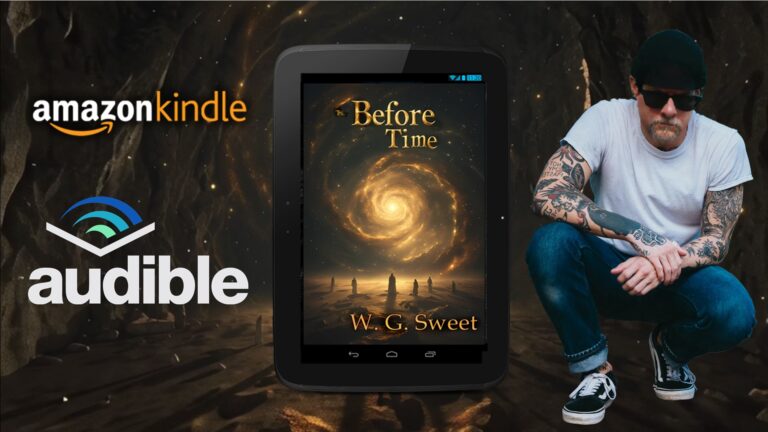
Check out this book from New York Writer W. G. Sweet…
The nightmare would begin insidiously, with the faintest whisper of a sound, a familiar vibration that would build, slowly at first, then with terrifying speed. It was the hum of the engine, the low thrum of the car carrying them towards an unseen precipice. He would feel the familiar press of the seat beneath him, the faint scent of Annโs perfume, a scent that would soon be overwhelmed by the acrid stench of burnt rubber and fear. Then, the unmistakable sound, the prelude to chaos: the high-pitched shriek of tires desperately seeking purchase on asphalt, a sound that ripped through the fabric of the night and into the very marrow of his bonesโฆ #Horror #Thriller #Romance #Readers #Kobo #WGSweet https://www.kobo.com/us/en/ebook/the-re-do?
Fig Street (Glennville Book 1) The year is 1969: In the city of Glennville the streets, even in the poorest of neighborhoods are safe for children to play. But the city has its secrets, and those secrets have their dangers. #Horror #Crime #Fantasy #DellSweet #Series