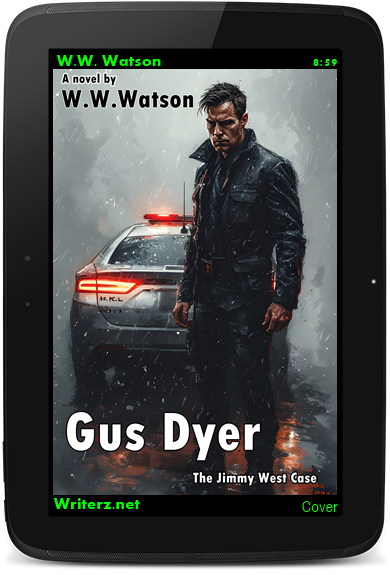
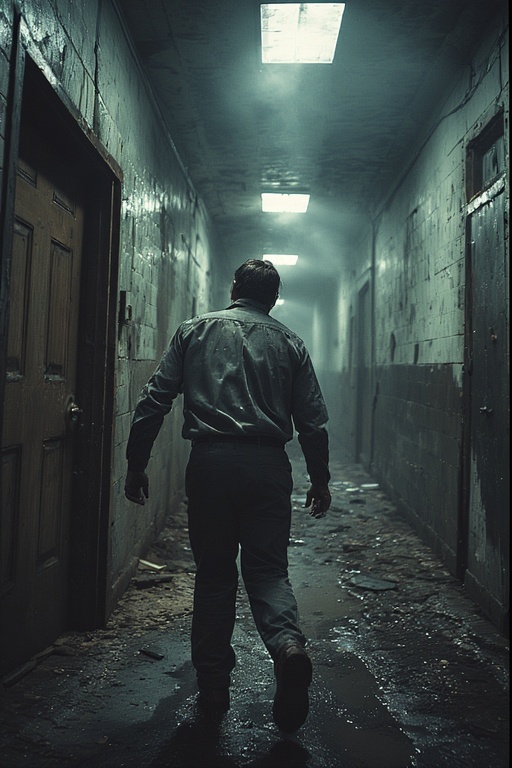
Gus Dyer is a hardcore detective in the big city. He knows what crime is, and he has seen the worst of the worst walk her streets and taken those same people down. Some to jail, some to the gates of hell where they belonged in the first place.This time he is on the trail of a hired killer, Jimmy West. West works out of the city. It is his base and fortress, the place where he can roam free among millions of other people unseen, unchallenged and free to continue his crimes. #Detective #Crime #Mystery #Thriller #Suspense #Readers #KU
The dust swirled around my worn boots, a miniature desert storm kicked up by the frantic thump of my own heart. The air hung thick and heavy, the scent of dry earth and something else… something metallic and sickeningly sweet, clinging to the back of my throat. It was the smell of blood. Old blood. New blood. The kind that stains the soul as deeply as it stains the earth. I’d been clean for six months, six agonizing months of sweat-soaked nights and gnawing cravings, a testament to a willpower I never knew I possessed. Six months of staring at the cracked pavement, avoiding the shadowed corners where my past lurked like a hungry ghost. But tonight, the ghost had found me.
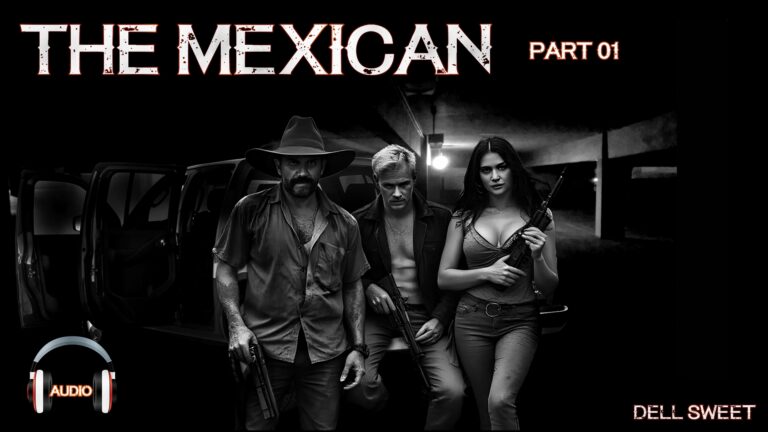
I reached the relative safety of the small office and set down the suitcases. The Mexican stood and slowly shook his head as I approached. I looked down and saw that Kat’s shirt had been cut away. One large hole had punched through her upper shoulder leaving a blue-black, bloodless hole. Her eyes blinked rapidly as I knelt beside her.
“Hey,” I said. She looked at me, pulled another breath and then her eyes slipped shut. She had a small smile on her face as if she knew some secret that I could only guess at.
I froze for a moment and then reached down and shook her shoulders.
“She’s okay, Billy,” The Mexican said. “I gave her something… We need to get her somewhere where I can stitch her up… Or you. Listen, I don’t want to sound hard or as if I don’t care, but right now, unless we want to just give up and die, we need to get ourselves in gear. If it wasn’t one of the trucks that blew by us while we were on that dirt road, and we know it wasn’t that red pickup… someone is still out there, and once they get their shit together they’ll come back for us, amigo. And there has to be some locals of some sort around here, eventually one of them is gonna show up. Federales… Maybe locals… What you need to do Billy is get us another truck so we can get back across the border and make that meeting… Put this behind us,” the Mexican said.
I looked around the showroom. “I don’t see any here, which means I’m going to have to go back outside to find one. Which means,” I looked at the Mexican, “I need you to keep watch in front; I’m going out the back door.”
I walked over to a small plywood board to one side of the double doors, and began to search through the key-tags that hung from it. “Hey, take a quick look out front and tell me whether you see a light green Ram out there, about ten years old or so,” I continued to search through the keys as he looked.
“Si, out by the road,” he replied.
“How about a two-tone red and white Chevy?”
“No veda nada… No, not out here.”
“Good,” I said as I dropped the remaining keys in a heap by the board. I had kept two sets out; apparently, there were two green Ram’s, another out back somewhere along with a tu-tone Chevy that had possibilities. “Okay I’m going to get it,” I said as I turned and walked down a hallway in the direction of the back of the building, I turned back. “Kat?” I asked.
“She’s safe, amigo… Go, I’ll keep watch on her.”
I turned and walked down the hallway through a set of double steel doors and into a small garage area. I searched the garage quickly, but no red and white Chevy or green Ram resided in the shadowy interior. I walked to a set of double steel doors set into the back of the garage, pressed the bar handle, and stepped out into the back lot.
I found the Ram first directly behind the rear of the garage checked the stock numbers and after determining, which set of keys went to it opened the door and got in. A low chiming greeted me as I opened the door. The Ram was one of the upper level models; it was also not four-wheel drive. The tires were not much more than passenger tires and when I turned on the ignition to check the gas gauge the needle stopped just above empty.
“Fuck,” I said to myself. “this one isn’t going to do us a hell-of-a-lot-of good.”
I found the other truck farther back in the lot. It was a low end model; built more with a hunter or some other type of sportsman in mind and much better suited to our needs. Plain stark vinyl interior and the gas gauge leveled out at half when I checked it. Not great, but a lot better than the other truck and we didn’t have the time to pick and choose.
“This is her,” I told myself. I started the truck and drove out of the back lot toward the front of the dealership.
I had been tensed, expecting to hear the chatter of machine pistols while I was out back, and when I drove by the glass encased showroom and saw the Mexican crouched by the side of a car on the showroom floor I breathed a sigh of relief. I just caught his waving hands out of the corner of my eye before two men jumped out from behind one of the trucks in the front row and opened fire on me.
Too late, I thought as I realized I had left the machine pistol lying on the front seat instead of keeping it in my right hand where it should have been. I could hear the sound of a machine pistol behind me as the Mexican opened up. I did what I could. I aimed the truck at the two men; levered the door-handle and prepared to jump just as the windshield hit by several of the rounds fired by the two men was blown inward: My world faded to black.
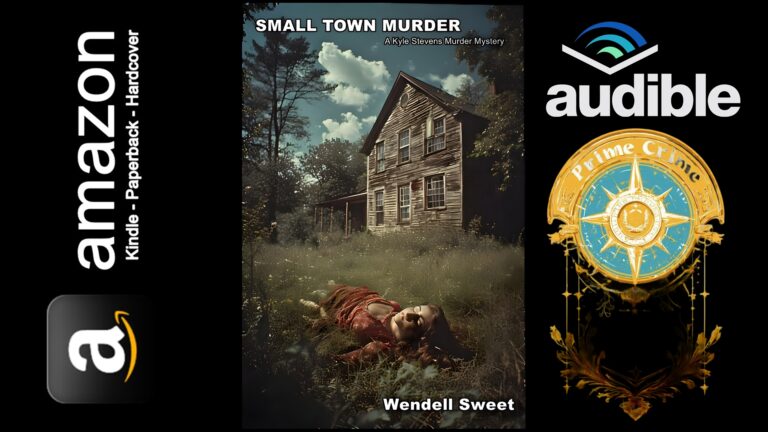
The Small town of Glennville New York is a nice quiet place to settle down and raise your family. At least that is What Sheriff Kyle Stevens thought when he retired after being a detective in New York City for twenty years. And Glennville, for the most part was quiet. Respectfull. Safe. Until the day Kyle’s deputy for the body of a young girl out by the old abandoned school building…
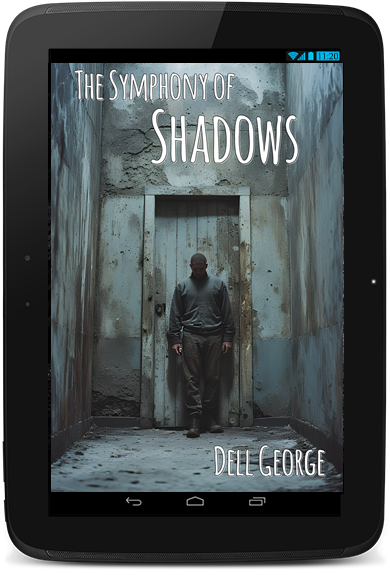
The prison uniform, now discarded in a shadowed alcove, lay like a discarded skin, a molted shell of a former self. It was a stark visual representation of his transformation, a physical shedding of the past. #Prison #crime #Thriller #Drama
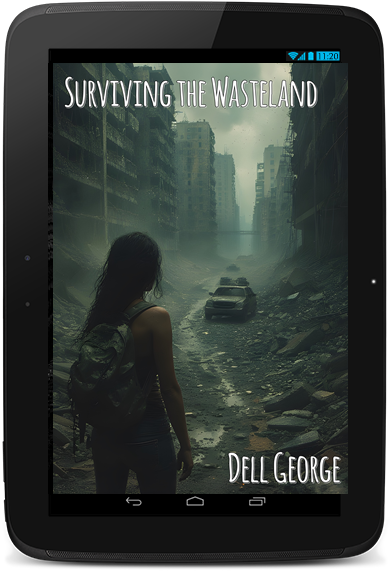
My head swam. I tried to focus, to piece together what had happened, but my memories were fragmented, blurred like a badly scratched photograph. Images flickered – a flash of bright light, the deafening roar of something immense, the sickening crunch of collapsing structures…and then, nothing. Only the darkness before the agonizing awakening in this hellish landscape.
The ‘Sea Wanderer’ was more than just a vessel; it was their home, their adventure capsule, a testament to years of planning, saving, and dreaming. It was a forty-foot sloop, built to withstand the rigors of extended ocean voyages, her hull a sturdy, reassuring blue, her sails crisp and white against the deepening azure of the sky.A few weeks into their ocean cruise life for the Robinsons takes an ominous turn when a sudden storm wreaks havoc on the ship and family…
The True: True stories from a small town are true stories from that place. From my childhood up through my adulthood. Some heartfelt, some heart rending, some the horrible truth of the life I lived at that time… #NonFiction #Crime #OrganizedCrime #Childhood #Readers #KU #Amazon
True: True stories from a small town #2
In my younger days I lived my life like there was no tomorrow. I wasn’t thinking about what to do when the check came due, when life changed, when I crossed someone or they crossed me. I wish I had grown up different, but my time on the streets and the lessons that taught me. #NonFiction #Crime #OrganizedCrime #Childhood #Readers #KU #Amazon
True: True stories from a small town #3
In AA they say that addictions will take you to hospitals, Mental Institutions and Prisons. It’s true. They will. I have been in all of those places because of my addictions. But addictions are not responsible for the life I lead entirely, and certainly not responsible for the things I did. #NonFiction #Crime #OrganizedCrime #Childhood #Readers #KU #Amazon
True: True stories from a small town #4
The True: True stories from a small town are true stories from that place. From my childhood up through my adulthood. Some heartfelt, some heart rending, some the horrible truth of the life I lived at that time… (Based on a true story from my life. Names have been changed, but truthfully almost all of them are dead now so it doesn’t matter.) #NonFiction #Crime #OrganizedCrime #Childhood #Readers #KU #Amazon
Free story from book one
THE DAM
It was summer, the trees full and green, the temperatures in the upper seventies. And you could smell the river from where it ran behind the paper mills and factories crowded around it, just beyond the public square; A dead smell, waste from the paper plants.
I think it was John who said something first. “Fuck it,” or something like that,” I’ll be okay.”
“Yeah,” Pete asked?
“Yeah… I think so,” John agreed. His eyes locked on Pete’s, but they didn’t stay. They slipped away and began to wander along the riverbed, the sharp rocks that littered the tops of the cliffs and the distance to the water. I didn’t like it.
Gary just nodded. Gary was the oldest so we pretty much went along with the way he saw things.
“But it’s your Dad,” I said at last. I felt stupid. Defensive. But it really felt to me like he really wasn’t seeing things clearly. I didn’t trust how calm he was, or how he kept looking at the river banks and then down to the water maybe eighty feet are so below.
“I should know,” John said. But his eyes didn’t meet mine at all.
“He should know,” Gary agreed and that was that.
“That’s cool. Let’s go down to the river,” Pete suggested, changing the subject.
“I’m not climbing down there,” I said. I looked down the sheer rock drop off to the water. John was still looking too, and his eyes were glistening, wet, his lips moved slightly as if he was talking to himself. If he was I couldn’t hear. But then he spoke aloud.
“We could make it, I bet,” he said as though it was an afterthought to some other idea. I couldn’t quite see that idea, at least I told myself that later. But I felt some sort of way about it. As if it had feelings of it’s own attached to it.
“No, man,” Gary said. “Pete didn’t mean beginning here… Did you,” he asked?
“No… No, you know, out to Huntingtonville,” Pete said. He leaned forward on his bike, looked at john, followed his eyes down to the river and then back up. John looked at him.
“What!” John asked.
“Nothing, man,” Pete said. “We’ll ride out to Huntingtonville. To the dam. That’d be cool… Wouldn’t it?” You could see the flatness in John’s eye’s. It made Pete nervous. He looked at Gary.
“Yeah,” Gary said. He looked at me.
“Yeah,” I agreed. “That’d be cool.” I spun one pedal on my stingray, scuffed the dirt with the toe of one Ked and then I looked at John again. His eyes were still too shiny, but he shifted on his banana seat, scuffed the ground with one of his own Keds and then said, “Yeah,” kind of under his breath. Again like it was an afterthought to something else. He lifted his head from his close inspection of the ground, or the river, or the rocky banks, or something in some other world for all I knew, and it seemed more like the last to me, but he met all of our eyes with one sliding loop of his own eyes, and even managed to smile.
~
The bike ride out to Huntingtonville was about four miles. It was a beautiful day and we lazed our way along, avoiding the streets, riding beside the railroad tracks that just happened to run out there. The railroad tracks bisected Watertown. They were like our own private road to anywhere we wanted to go. Summer, fall or winter. It didn’t matter. You could hear the trains coming from a long way off. More than enough time to get out of the way.
We had stripped our shirts off earlier in the morning when we had been crossing the only area of the tracks that we felt were dangerous, a long section of track that was suspended over the Black river on a rail trestle. My heart had beat fast as we had walked tie to tie trying not to look down at the rapids far below. Now we were four skinny, jeans clad boys with our shirts tied around our waists riding our bikes along the sides of those same railroad tracks where they ran through our neighborhood, occasionally bumping over the ties as we went. Gary managed to ride on one of the rails for about 100 feet. No one managed anything better.
Huntingtonville was a small river community just outside of Watertown. It was like the section of town that was so poor it could not simply be across the tracks or on the other side of the river, it had to be removed to the outskirts of the city itself. It was where the poorest of the poor lived, the least desirable races. The blacks. The Indians. Whatever else good, upstanding white Americans felt threatened or insulted by. It was where my father had come from, being both black and Indian.
I didn’t look like my father. I looked like my mother. My mother was Irish and English. About as white as white could be. I guess I was passing. But I was too poor, too much of a dumb kid to even know that back then in 1969.
John’s father was the reason we were all so worried. A few days before we had been playing baseball in the gravel lot of the lumber company across the street from where we lived. The railroad tracks ran behind that lumber company. John was just catching his breath after having hit a home run when his mother called him in side. We all heard later from our own mothers that John’s father had been hurt somehow. Something to do with his head. A stroke. I really didn’t know what a stroke was at that time or understand everything that it meant. I only knew it was bad. It was later in life that I understood how bad. All of us probably. But we did understand that John’s father had nearly died, and would never be his old self again, if he even managed to pull through.
It was a few days after that now. The first time the four of us had gotten back together. We all felt at loose ends. It simply had made no sense for the three of us to try to do much of anything without John. We had tried but all we could think about or talk about was John’s father. Would he be okay? Would they move? That worried me the most. His sister was about the most beautiful girl in the entire world to me. So not only would John move, so would she.
He came back to us today not saying a word about it. And we were worried.
When we reached the dam the water was high. That could mean that either the dam had been running off the excess water, or was about to be. You just had to look at the river and decide.
“We could go to the other side and back,” John suggested.
The dam was about 20 or 30 feet high. Looming over a rock strewn riverbed that had very little water. It was deeper out towards the middle, probably, it looked like it was, but it was all dry river rock along the grassy banks. The top of the Dam stretched about 700 feet across the river.
“I don’t know,” Pete said. “the dam might be about to run. We could get stuck on the other side for awhile.”
No one was concerned about a little wet feet if the dam did suddenly start running as we were crossing it. It didn’t run that fast. And it had caught us before. It was no big deal. Pete’s concern was getting stuck on the little island where the damn ended for an hour or so. Once, john, and myself had been on that island and some kids, older kids, had decided to shoot at us with 22 caliber rifles. Scared us half to death. But that’s not the story I’m trying to tell you today. Maybe I’ll tell you that one some other time. Today I’m trying to tell you about John’s father. And how calm John seemed to be taking it.
John didn’t wait for anyone else to comment. He dumped his bike and started to climb up the side of the concrete abutment to reach the top of the dam and walk across to the island. There was nothing for us to do except fall in behind him. One by one we did.
It all went smoothly. The water began to top the dam, soaking our Keds with its yellow paper mill stink and scummy white foam, just about halfway across. But we all made it to the other side and the island with no trouble. Pete and I climbed down and walked away. To this day I have no idea what words passed between Gary and john, but the next thing I knew they were both climbing back up onto the top of the dam, where the water was flowing faster now. Faster than it had ever flowed when we had attempted to cross the dam. Pete nearly at the top of the concrete wall, Gary several feet behind him.
John didn’t hesitate. He hit the top, stepped into the yellow brown torrent of river water pouring over the falls and began to walk back out to the middle of the river. Gary yelled to him as Pete and I climbed back up to the top of the dam.
I don’t think I was trying to be a hero, but the other thought, the thought he had pulled back from earlier, had just clicked in my head. John was thinking about dying. About killing himself. I could see it on the picture of his face that I held in my head from earlier. I didn’t yell to him, I just stepped into the yellow foam and water, found the top of the dam and began walking.
Behind me and Pete and Gary went ballistic. “Joe, what the fuck are you doing!”
I heard it, but I didn’t hear it. I kept moving. I was scared. Petrified. Water tugged at my feet. There was maybe 6 inches now pouring over the dam and more coming, it seemed a long way down to the river. Sharp, up-tilted slabs of rock seemed to be reaching out for me. Secretly hoping that I would fall and shatter my life upon them.
John stopped in the middle of the dam and turned, looking off toward the rock and the river below. I could see the water swirling fast around his ankles. Rising higher as it went. John looked over at me, but he said nothing.
“John,” I said when I got close enough. He finally spoke.
“No,” was all he said. But tears began to spill from his eyes. Leaking from his cheeks and falling into the foam scummed yellow-brown water that flowed ever faster over his feet.
“Don’t,” I screamed. I knew he meant to do it, and I couldn’t think of anything else to say.
“Don’t move,” Gary said from behind me. I nearly went over the falls. I hadn’t known he was that close. I looked up and he was right next to me, working his way around me on the slippery surface of the dam. I looked back and Pete was still on the opposite side of the dam. He had climbed up and now he stood on the flat top. Transfixed. Watching us through his thick glasses. Gary had followed John and me across.
I stood still and Gary stepped around me. I have no idea how he did. I’ve thought about it, believe me. There shouldn’t have been enough room, but that was what he did. He stepped right around me and then walked the remaining 20 feet or so to John and grabbed his arm.
“If you jump you kill me too,” Gary said. I heard him perfectly clear above the roar of the dam. He said it like it was nothing. Like it is everything. But mostly he said it like he meant it.
It seemed like they argued and struggled forever, but it was probably less than a minute, maybe two. The waters were rising fast and the whole thing would soon be decided for us. If we didn’t get off the dam quickly we would be swept over by the force of the water.
They almost did go over. So did I. But the three of us got moving and headed back across to the land side where we had dropped our bikes. We climbed down from a dam and watched the water fill the river up. No one spoke.
Eventually john stopped crying. And the afterthought look, as though there some words or thoughts he couldn’t say passed. The dying time had passed.
We waited almost two hours for the river to stop running and then Pete came across…
We only talked about it one other time that summer, and then we never talked about it again. That day was also a beautiful summer day. Sun high in the sky. We were sitting on our bikes watching the dam run.
“I can’t believe you were gonna do it,” Pete said.
“I wasn’t,” John told him. “I only got scared when the water started flowing and froze on the dam… That’s all it was.”
Nobody spoke for a moment and then Gary said, “That’s how it was.”
The Small town of Glennville New York is a nice quiet place to settle down and raise your family. At least that is What Sheriff Kyle Stevens thought when he retired after being a detective in New York City for twenty years. And Glennville, for the most part was quiet. Respectful. Safe. Until the day Kyle’s deputy found the body of a young girl out by the old, abandoned school building…
#Mystery #Murder #Crime #DellSweet #KU #DellSweet
Small Town Murder: A Kyle Stevens Murder Mystery (Glennville Book 12) Kindle Edition… #Mystery #Murder #Crime #DellSweet #KU #DellSweet
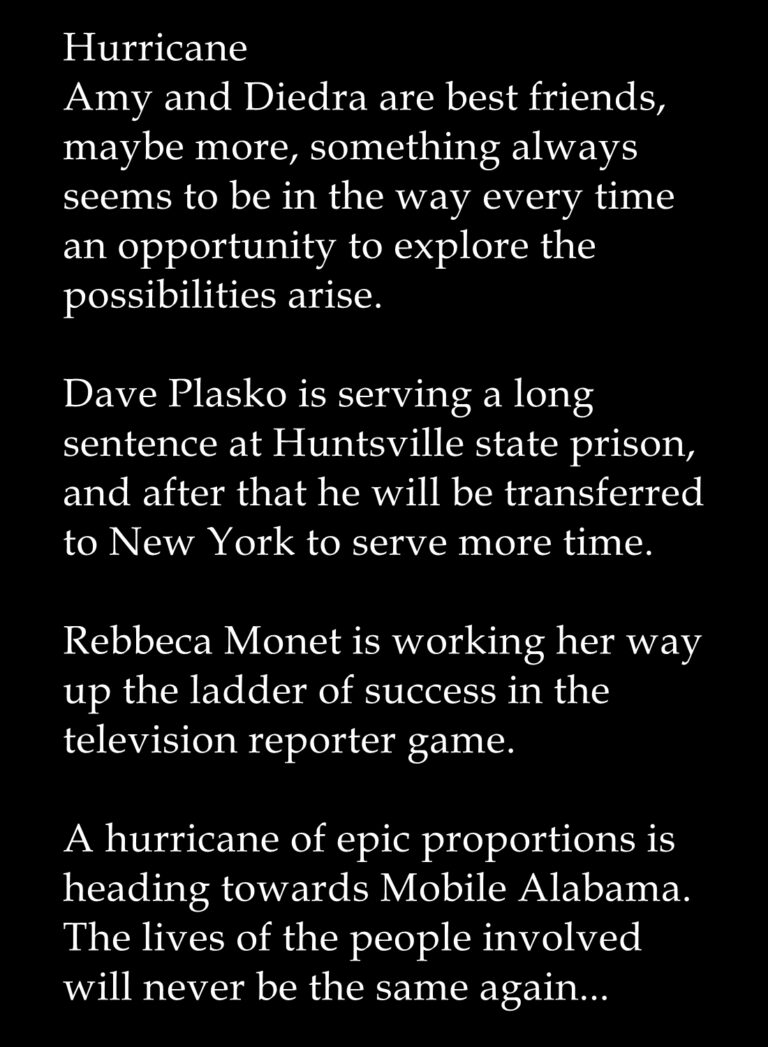
Amy and Diedra are best friends, maybe more, something always seems to be in the way every time an opportunity to explore the possibilities arise. Dave Plasko is serving a long sentence at Huntsville state prison, and after that he will be transferred to New York to serve more time. Rebbeca Monet is working her way up the ladder of success in the television reporter game. A hurricane of epic proportions is heading towards Mobile Alabama. The lives of the people involved will never be the same again… #Crime #Drama #Action #Readers #DellSweet #KDP #KU
An excerpt from the novel
Copyright protected material. No usage for any reason without written permission.
Over a glass of wine, their laughter echoed, light and carefree at first. They reminisced about their shared experiences, the inside jokes that only they understood, and the moments that had solidified their bond. However, as the night wore on, the playful teasing turned into something deeper. The atmosphere shifted, charged with a magnetic pull that drew them closer.
Deidra reached out, brushing her fingertips against Amy’s arm, igniting a spark that sent shivers down both their spines. It was a simple gesture, yet it carried the weight of unexpressed feelings. Amy looked into Deidra’s eyes, searching for the courage to acknowledge the connection that had been simmering beneath the surface for so long. The world around them faded away, leaving only the two of them suspended in an intoxicating moment of possibility.
With a breathless whisper, Deidra broke the silence, her voice barely above a murmur. “Have you ever wondered what it would be like… between us?” The question hung in the air, heavy with significance. Amy’s heart raced as she nodded slowly, her cheeks flushing with warmth. It was a question they had both danced around for too long, and now, the truth was finally laid bare.
In that instant, they both leaned in, their lips meeting in a tentative kiss that ignited a fire within them. The kiss was soft at first, a gentle exploration of newfound territory, but it quickly deepened, fueled by the passion that had been building for so long. Their bodies pressed together, a perfect fit, as they lost themselves in the moment.
As they explored each other’s lips, the world outside ceased to exist. Their hands wandered, tracing the curves and contours of each other’s bodies with a mix of reverence and urgency. Each touch was electric, sending waves of warmth coursing through them, igniting a flame that consumed them both. They reveled in the intoxicating sensation of skin against skin, the thrill of vulnerability that came with surrendering to their desires.
The room transformed into their sanctuary, a space where they could be entirely themselves without fear or judgment. They shared hushed laughter and tender whispers, their breaths mingling as they discovered the beauty of intimacy. With every caress, they delved deeper into each other’s souls, exploring not just the physical connection but the emotional tapestry that bound them together.
In the heat of the moment, they uncovered secrets and dreams, weaving them into a tapestry of shared experiences. It was a dance of trust and affection, a celebration of everything they had been to each other and everything they could become. They lost track of time, enveloped in each other’s warmth, their bodies moving in perfect harmony like a well-rehearsed choreography.
Neither heard the cell as it continually vibrated and buzzed in Amy’s crumpled school skirt pocket next to the bed
As the night unfolded, they embraced the whirlwind of emotions swirling within them—a blend of excitement, tenderness, and the thrill of the unknown. They knew they had crossed a threshold, stepping into a new chapter of their lives, forever changed by this shared experience. In the quiet aftermath, as they lay entwined, they realized that what had begun as a simple friendship had blossomed into something beautifully profound—a love that would continue to grow, nourished by the intimacy they had discovered together…
He continued his movement, a fluid, silent grace that belied the years of brutal confinement. Each step was measured, deliberate, his senses on high alert. The facility, once a labyrinth of oppression, was now a conquered territory, its secrets laid bare, its weaknesses exploited. He ran a hand along the cool, unforgiving surface, feeling the grit and grime, the echoes of countless lives lived and lost within these walls. But now, it was different. This texture was not a symbol of his imprisonment, but a testament to his resilience. The prison uniform, now discarded in a shadowed alcove, lay like a discarded skin, a molted shell of a former self. It was a stark visual representation of his transformation, a physical shedding of the past. #Crime #Suspense #Thriller #Drama #Kindle #Amazon #Audible
The Criminal Intentions books are collections of short stories, some short some nearly novel length that I have combined together in this collection for you to enjoy, Dell.
In this collection are the following short stories: PRIVATE INVESTIGATIONS – A GOOD PLAN – BLACKNESS OF THE SOUL – THE LAST TAXI RIDE – DELLO GREEN – THE ACCIDENT – THE MAN WHO NEARLY TOOK MY LIFE – THE STORY OF THE MEXICAN – WHEN THEY TRIED TO KILL ME
An excerpt from the short story The Accident:
I lay breathing heavy, trying to calm my racing heart. The dream had been so vivid, so real. I had held her and it had felt so good so real so right. She had turned to me and I had opened my eyes and really seen her. Seen what I was holding. A rotting corpse. She was coming closer, holding me, her hands suddenly clutching harder, trying to drag me down into the grave she stank of.
I was covered with sweat, but my heart slowed and I got myself up and made it to the shower.
The Criminal Intentions series are collected short crime fiction in each book that I have gathered together to present to the reader, Dell.
Short Stories in this collection:
HAPPY HOLIDAYS – THE TALE OF LIV – THE TRIP – HOOD RATS – THE PHONE CALL – CHEATING AND DEATH – SANTOS – HARROWS
An excerpt from the short story: The Story of Liv
For fifteen long minutes, Liv stood outside in the chilly, pre-dawn rain. Fifteen minutes felt like an eternity when the craving hit. Time stretched endlessly, with every clock and watch in the world ticking away the moments. Finally, she began testing the doors. The front and back doors were locked. She hadn’t considered the garage door, but eventually decided to try it. To her surprise, it was unlocked, although the lock was badly damaged, causing her to hesitate.