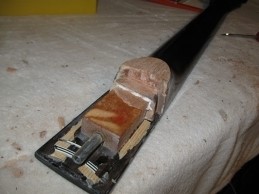
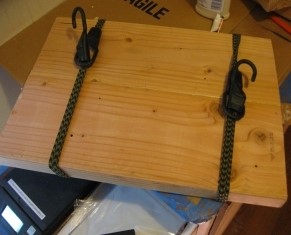
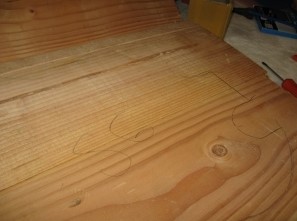
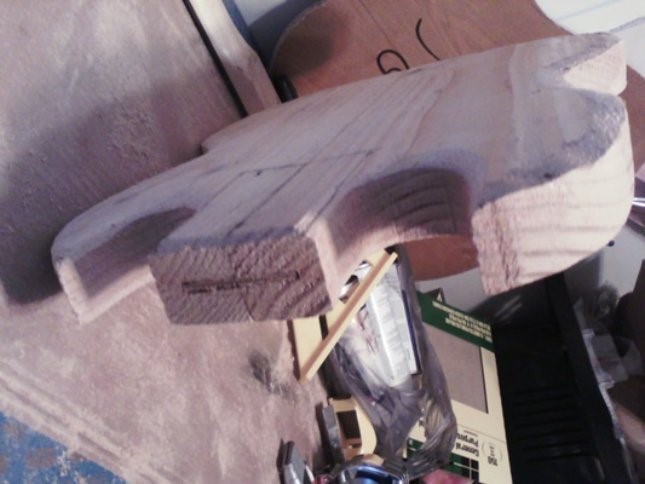
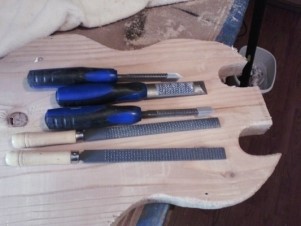
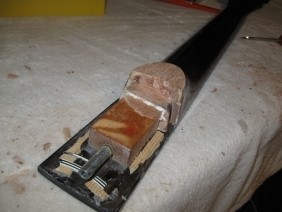
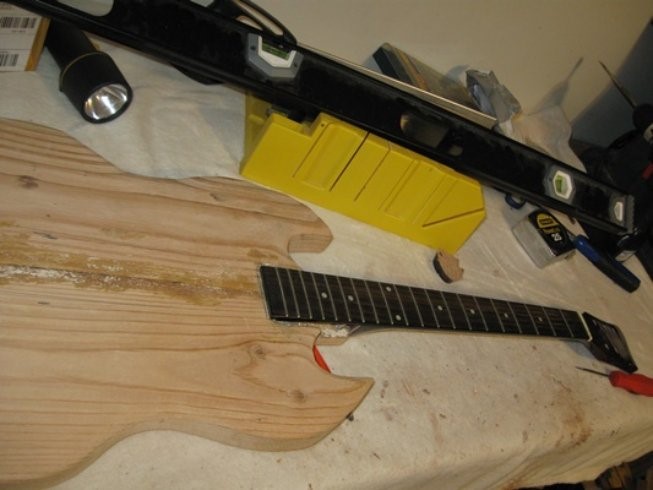
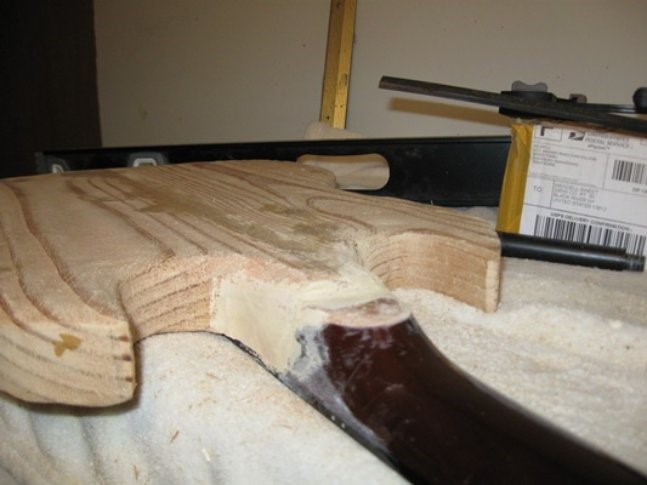
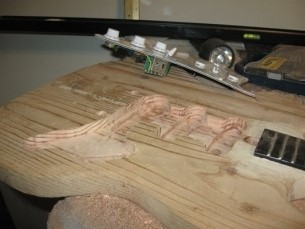
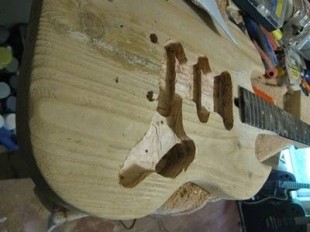
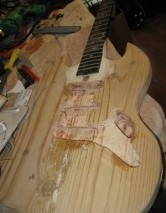
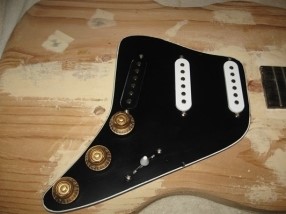
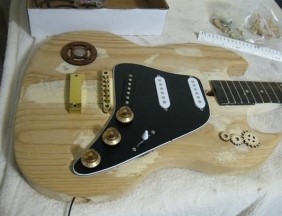
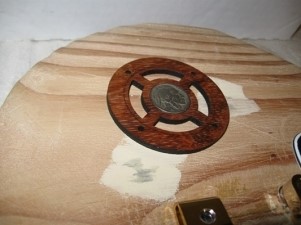
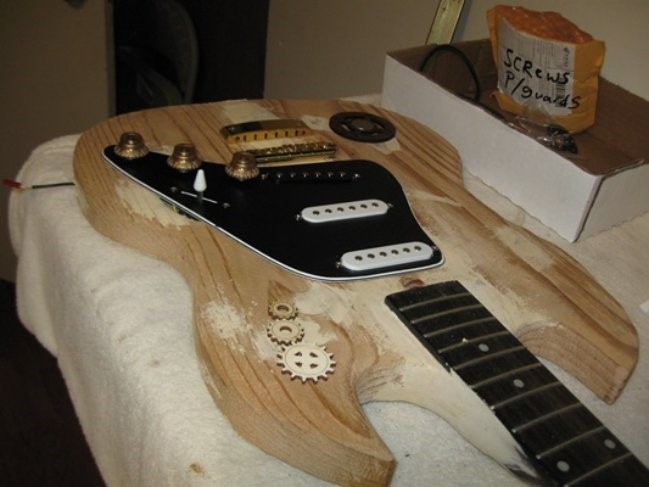
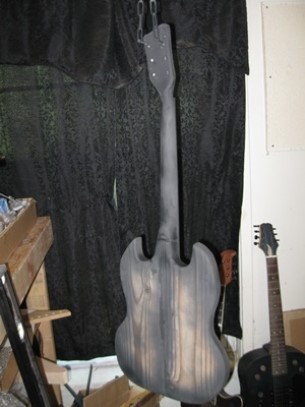
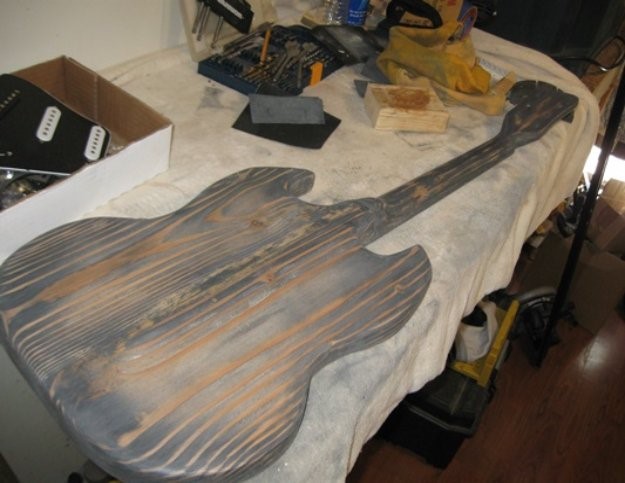
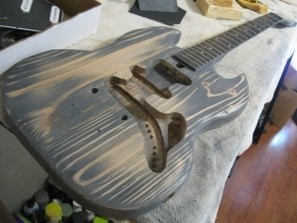
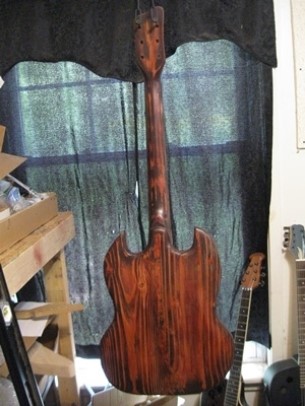
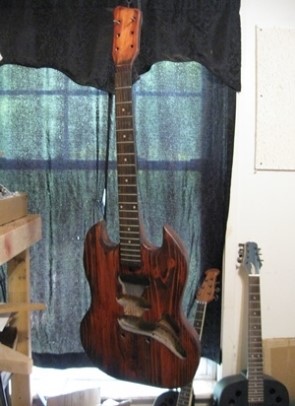
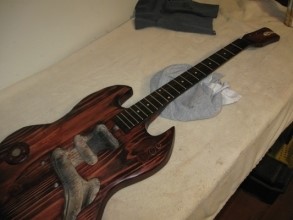
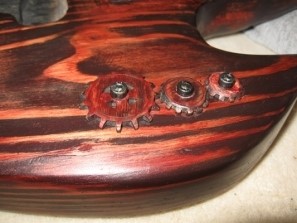
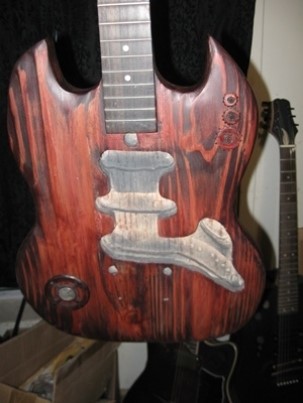
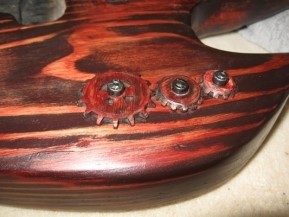
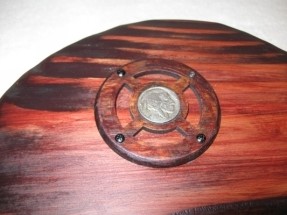
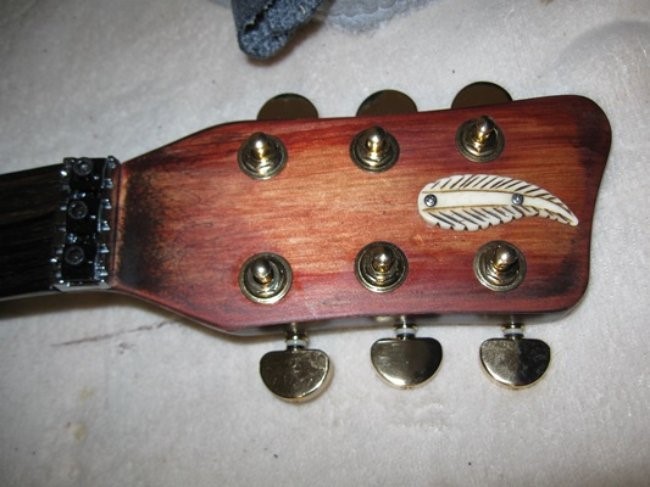
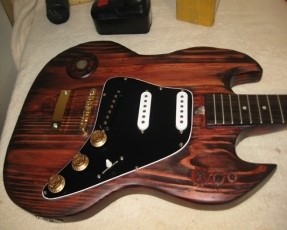
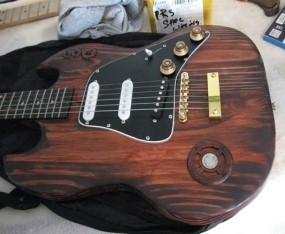
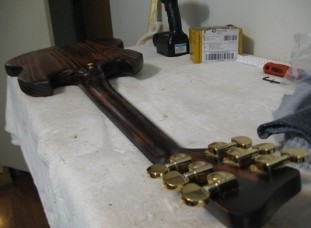
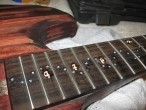
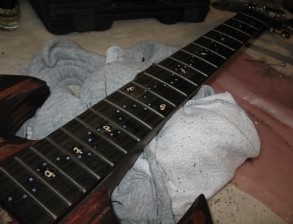
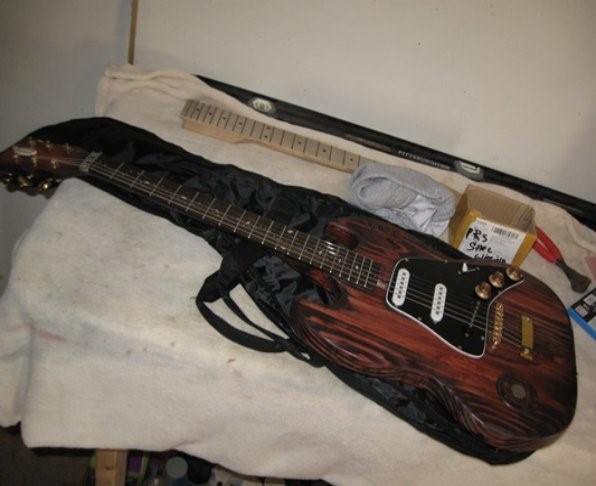
A closer look at the Franken SG build. I did not get to play this guitar much as the first time I posted images of it was sold. As with anything I build I took it for a spin and I loved the way it played.
The Scrapwood SG was a super short scale build which made it seem super fast when playing A LEAD PIECE. this has an extended 25.5 scale and feels like you can play forever going up that neck. The two models are Shell And Christine. Real people. I am not in the video at all but a 3D model of my 1972 Challenger build is. I build 3D models and bring them to life driving them in RS a 3D game building app. I hope you enjoy the video. It is Sunday and NYC is getting pummeled with snow. Coming down fast and the predictions for the city are up to 2 feet. Hopefully not. There is nowhere to put it…
Guitar Works Volume One: Finish Work Kindle Edition
This guide will give you information that you can use to do your own finish and spot repairs on guitars. As with any project there is a great deal of time involved in learning to do things correctly, but I have found over the years that slowing down, doing things step by step, you can come very close to perfect results every time. #CustomGuitars #GuitarWork #Luthier #Luthiery
Guitar Works Volume Two: Custom Builds One Kindle Edition
5.0 out of 5 stars
This manual will give you information that you can use to do your own custom repairs on guitars. #WoodWorking #Luthier #GuitarBuilds #CustomGuitarBuilding #Amazon
Guitar Works Volume Three: Custom Builds Two Kindle Edition
5.0 out of 5 stars #WoodWorking #Luthier #GuitarBuilds #CustomGuitarBuilding #Amazon
The AdjustOvation Build: This is a complete start to finish custom build. The base is an Ovation Applause…
Guitar Works Volume Four: The CD60 Build Kindle Edition
This volume contains the complete Fender CD60 build. This is a complete start to finish custom build.
Guitar Works: Volume Five: Repair Work Kindle
Whether we are customizing a guitar, repairing a fractured neck, refretting a beloved instrument or building our own guitar from scratch… #WoodWorking #Luthier #GuitarBuilds #CustomGuitarBuilding #Amazon
Guitar Works Volume Six:
This is a 7 string acoustic project. I started with a damaged acoustic guitar as a base: Stripped the neck and top off and began my build on this basic skeleton… #WoodWorking #Luthier #GuitarBuilds #CustomGuitarBuilding #Amazon
Guitar Works Volume Seven: The Scrap Wood Build Kindle
The Scrap Wood build is exactly as it sounds. It is a slim bodied electric guitar built from scrap wood. I went further than that and…
The Guitar Works Eight: The Big Book Kindle Edition
5.0 out of 5 stars
The Guitar Works Big Book contains sections on finish work, Acoustic builds, Electric Builds, Neck work and much more… #WoodWorking #Luthier #GuitarBuilds #CustomGuitarBuilding #Amazon
The Guitar Works Nine: The Book of Projects
This is a custom release of four of the most popular projects in one publication. All projects have been updated and include full color images in the Kindle Versions and Black and White in the Paperback versions. #WoodWorking #Luthier #GuitarBuilds #CustomGuitarBuilding #Amazon
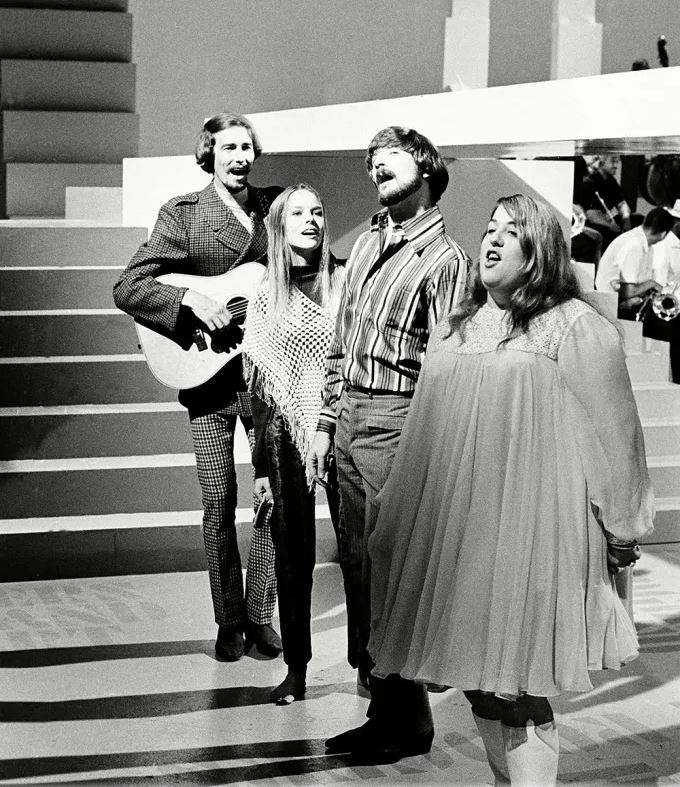
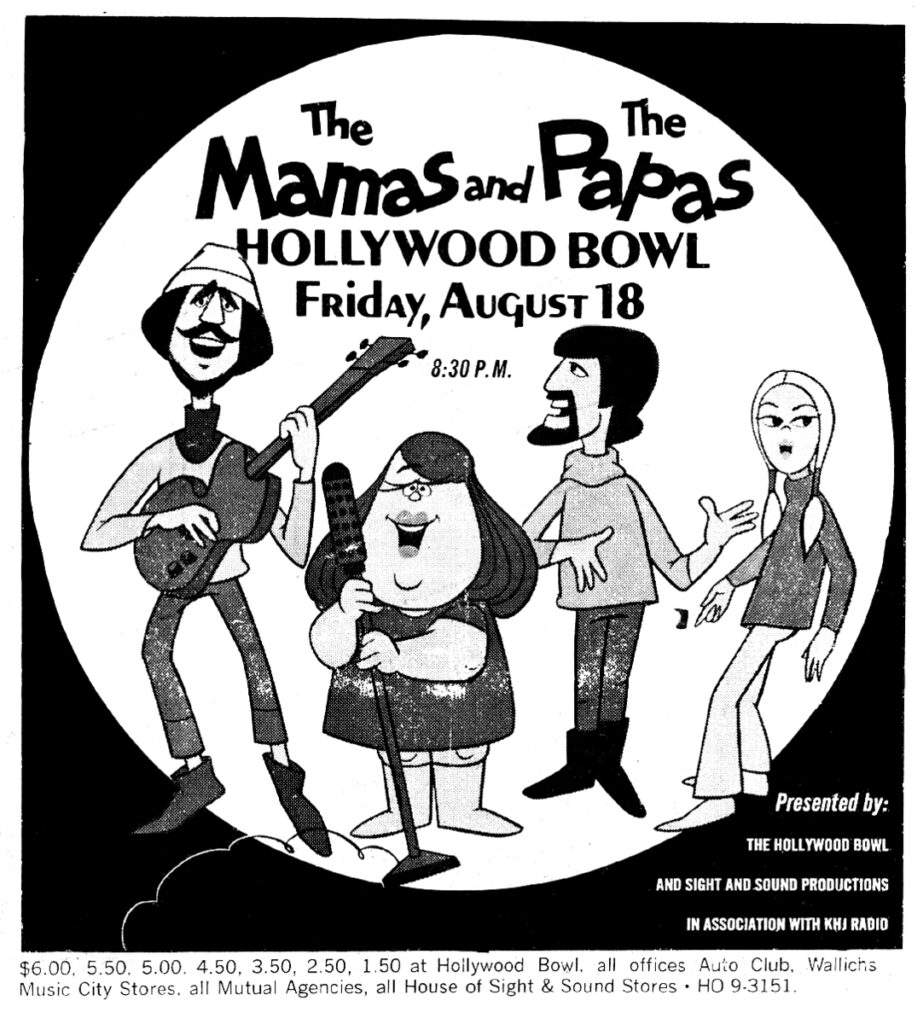
The Mamas & the Papas were an iconic folk rock band from the 1960s, known for their harmonious vocals and hits like “California Dreamin'” and “Monday, Monday”. The original members were John Phillips, Michelle Phillips, Denny Doherty, and Cass Elliot
Band Members and Their Children:
John Phillips (1935-2001) had a daughter, Chynna Phillips, with Michelle Phillips, who is a member of Wilson Phillips. He also had a daughter, Mackenzie Phillips, who wrote about her tumultuous relationship with her father in her memoir.
Michelle Phillips (born 1944) has three children: Chynna Phillips, Austin Hines, and adopted son Aron Wilson.
Denny Doherty (1940-2007) didn’t have any children with his bandmates, but he was known for his close relationships with his bandmates.
Cass Elliot (1941-1974) had a daughter, Owen Vanessa Elliot, born in 1967.
The Mamas & the Papas were a legendary band with some amazing hits. Here are some of their biggest ones:
“California Dreamin'” (1965)
“Monday, Monday” (1966)
“Dedicated to the One I Love” (1966)
“I Saw Her Again” (1966)
“Creeque Alley” (1967)
Sadly, Cass Elliot, also known as Mama Cass, passed away on July 29, 1974, at the age of 32, due to heart failure. She was found dead in her apartment in London. The coroner’s report concluded that she died from a heart attack, likely caused by an undiagnosed heart condition.
Cass was known for her powerful voice, charming stage presence, and larger-than-life personality. Her death was a shock to fans and the music world. She’s buried at Mount Sinai Memorial Park in Los Angeles, California.
The Mamas & the Papas’ band dynamic was a wild ride of creativity, romance, and drama. Formed in 1965, the group consisted of John Phillips, Michelle Phillips, Denny Doherty, and Cass Elliot. John, the primary songwriter and leader, had a vision for a unique folk-pop sound, but his controlling nature often fueled tension within the group.
Romantic Entanglements:
Michelle Phillips, John’s wife, had an affair with Denny Doherty, causing strain in the band.
John Phillips had a tumultuous relationship with his daughter, Mackenzie, who later wrote about it in her memoir.
Cass Elliot’s powerful vocals and charismatic stage presence made her a fan favorite, but she faced initial resistance from John due to her weight and appearance
Creative Partnership:
The band’s harmony was built on John’s songwriting and arrangement skills.
Their music reflected the free-spirited nature of the 1960s, with hits like “California Dreamin'” and “Monday, Monday”.
Despite their personal struggles, they produced six Top 10 hits between 1965 and 1967
Downfall:
The band’s personal conflicts, substance abuse, and creative differences led to their breakup in 1968.
Cass Elliot pursued a solo career, releasing “Dream a Little Dream of Me” in 1968.
The group’s legacy lives on, with inductions into the Rock and Roll Hall of Fame and the Vocal Group Hall of Fame
Surviving Members:
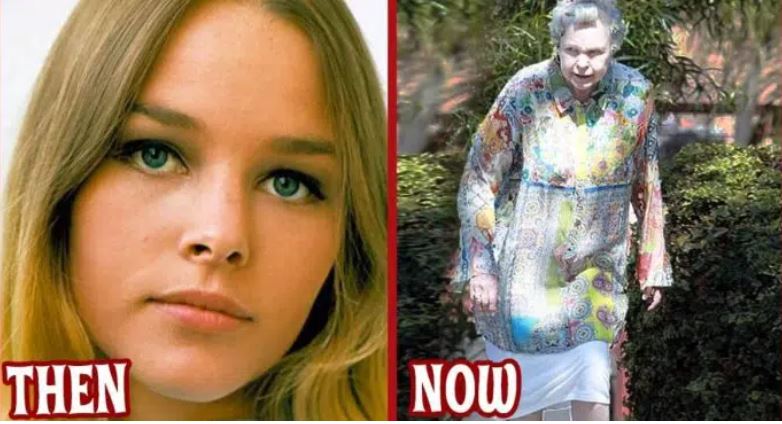
Michelle Phillips is the last surviving original member of the band, still active in music and acting.
Jill Gibson, who briefly replaced Michelle Phillips in 1966, is also alive.
She’s a singer, songwriter, and guitarist. J’s music style blends punk, rock, and glam, with a rebellious spirit. She’s also a pioneering female musician who’s been a huge influence on women in rock… #Music #Rock #Legend #Amazon
The Story of J The Story of J She’s a singer, songwriter, and guitarist. J’s music style blends punk, rock, and glam, with a rebellious spirit. She’s also a pioneering female musician who’s been a huge influence on women in rock… #Music #Rock #Legend #amazon
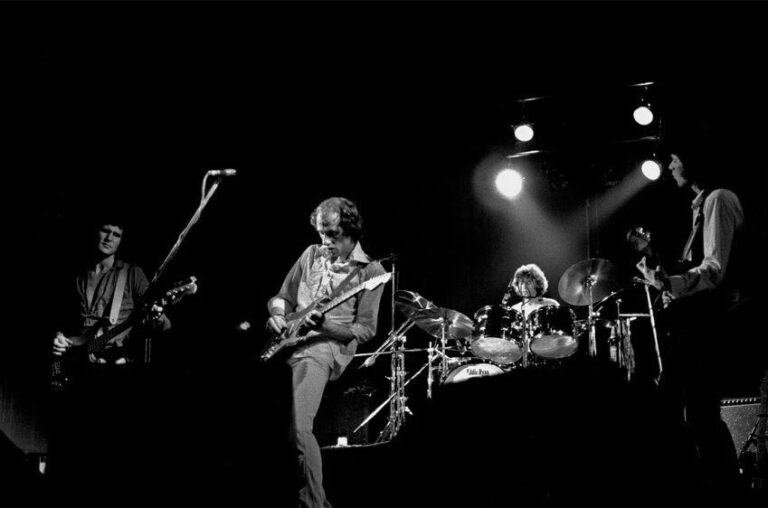
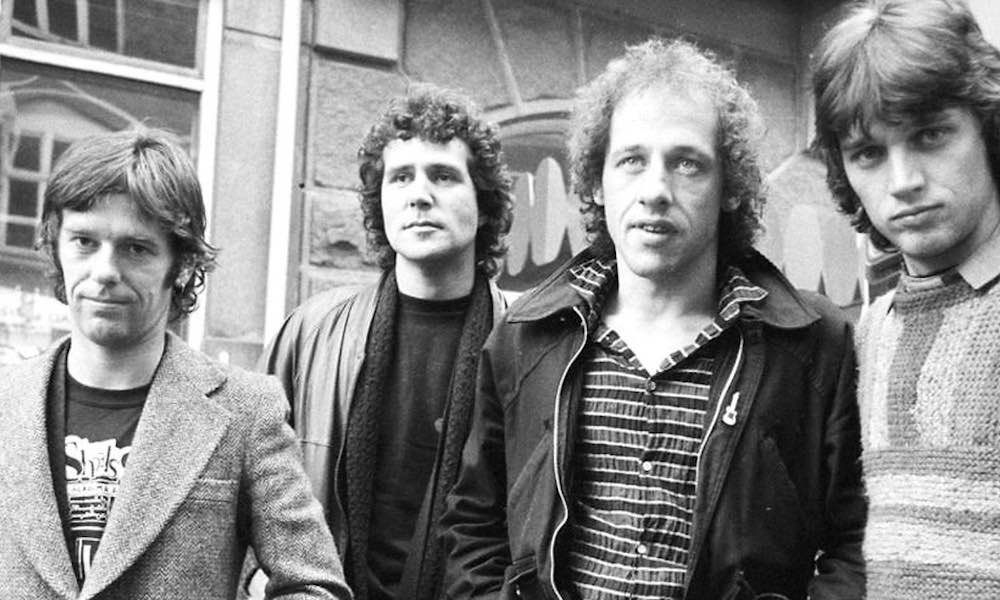
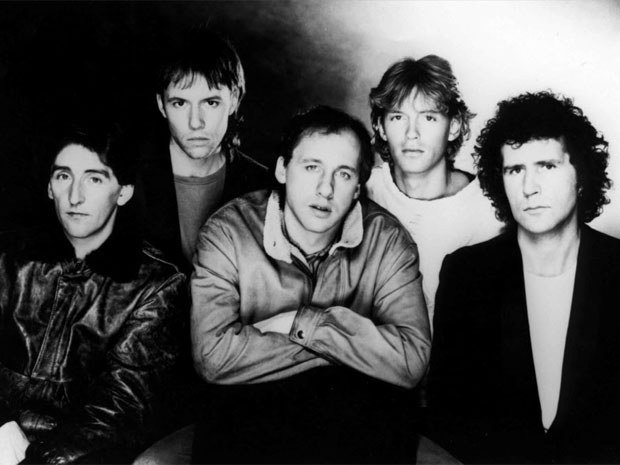
Formation: Dire Straits was formed in London, England in 1977 by Mark Knopfler (lead vocals and guitar), his brother David Knopfler (guitar and keyboards), John Illsley (bass guitar), and Pick Withers (drums).
Band Members:
Mark Knopfler: Lead vocals, guitar, songwriter
David Knopfler: Guitar, keyboards (left in 1980)
John Illsley: Bass guitar
Pick Withers: Drums (left in 1982)
Other notable members:
Hal Lindes: Guitar (joined in 1980)
Alan Clark: Keyboards (joined in 1980)
Terry Williams: Drums (joined in 1982)
The Guitar Story
Mark Knopfler’s Guitar: Mark Knopfler did indeed build a guitar from a wooden plank, but it’s not entirely clear if it was a bedpost. The guitar was a Telecaster-style body made from a piece of wood from a local carpenter’s workshop.
Mark Knopfler’s Style
Influences: Mark Knopfler’s playing style was influenced by various artists, including:
Country and blues musicians: Chet Atkins, B.B. King, and Eric Clapton
Rock and folk musicians: Bob Dylan, J.J. Cale, and The Beatles
Learning to Play: Mark Knopfler learned to play guitar at a young age, and his unique fingerpicking style developed over time through practice and experimentation.
Top Songs
Some of Dire Straits’ most popular songs:
“Sultans of Swing”
“Money for Nothing” (feat. Sting)
“Romeo and Juliet”
“Private Investigations”
“Brothers in Arms”
“Walk of Life”
David Knopfler’s Departure
Creative Differences: David Knopfler left the band in 1980 due to creative differences and personal tensions. He went on to pursue a solo career.
Biggest Hit
“Brothers in Arms”: Released in 1985, “Brothers in Arms” was a massive hit and one of the band’s most iconic songs. The song’s themes of war and loss resonated with audiences worldwide.
Legacy
Dire Straits has sold over 120 million records worldwide and has been inducted into the Rock and Roll Hall of Fame.
The band’s music often explores themes of love, relationships, and social commentary, with Mark Knopfler’s distinctive vocals and guitar work being a key part of their sound.
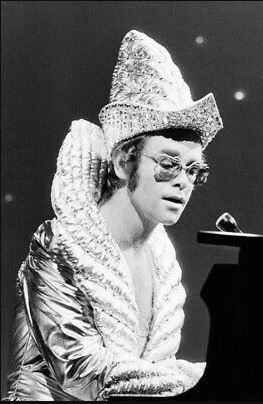
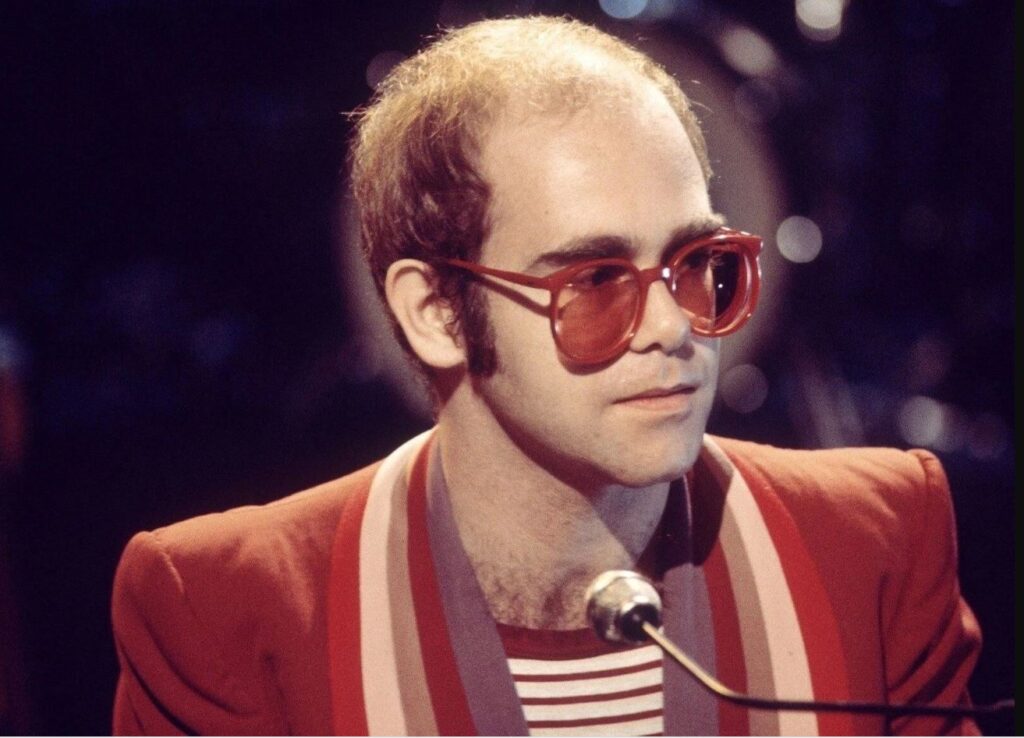
Elton John, born Reginald Kenneth Dwight on March 25, 1947, in Pinner, Middlesex, England, is a music legend known for his captivating stage presence and timeless hits. Here’s a brief overview of his background and history:
Early Life and Career
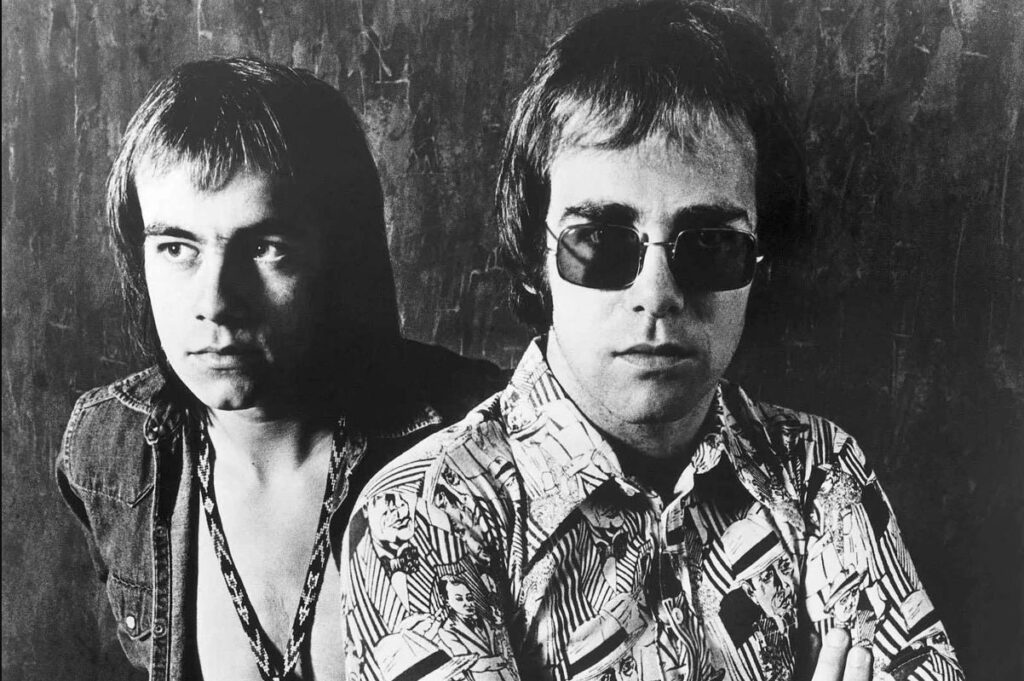
Elton John’s musical journey began at age three when he started playing the piano. He attended the Royal Academy of Music on a scholarship and later formed a band called Bluesology. In 1967, Elton John met Bernie Taupin after responding to an ad in the New Musical Express. They began writing songs together, starting a lifelong partnership that would produce some of the most iconic hits in music history.
Rise to Fame
Elton John’s breakthrough came with his second album, “Elton John,” released in 1970, which featured the hit single “Your Song.” This was followed by a string of successful albums, including “Tumbleweed Connection,” “Honky Château,” and “Goodbye Yellow Brick Road.” Some of his most notable hits include ² ³:
“Rocket Man”
“Crocodile Rock”
“Tiny Dancer”
“Philadelphia Freedom”
“Don’t Go Breaking My Heart” (with Kiki Dee)
“Candle in the Wind 1997” (rewritten in dedication to Diana, Princess of Wales)
Biggest Hits
“Candle in the Wind 1997” is Elton John’s biggest hit, selling over 33 million copies worldwide. This song was rewritten in tribute to Diana, Princess of Wales, and its success marked a significant moment in Elton John’s career.
Collaboration with Bernie Taupin
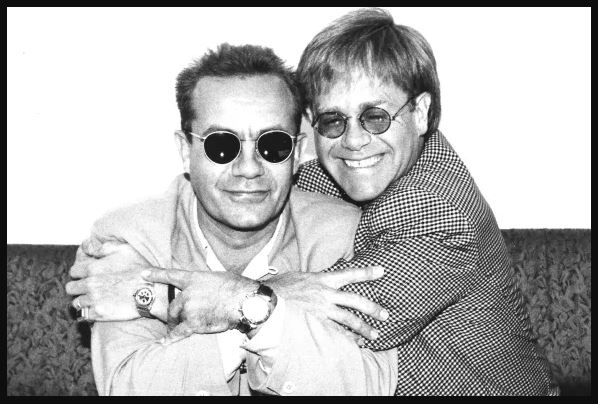
Elton John and Bernie Taupin continue to work together, despite occasional breaks. They’ve collaborated on numerous projects over the years, including the musical “The Lion King” and the song “(I’m Gonna) Love Me Again” for the biopic “Rocketman.” Their partnership remains one of the most successful songwriting collaborations in music history .
Meeting Ozzy Osbourne
There’s no direct evidence of a significant meeting or collaboration between Elton John and Ozzy Osbourne. However, they may have crossed paths at music industry events or award shows.
Legacy and Philanthropy
Elton John is not only a music icon but also a dedicated philanthropist. He founded the Elton John AIDS Foundation in 1992, which has raised over $400 million for HIV/AIDS research and support. He has also been recognized for his contributions to the music industry, including being inducted into the Rock and Roll Hall of Fame and being knighted by Queen Elizabeth II.
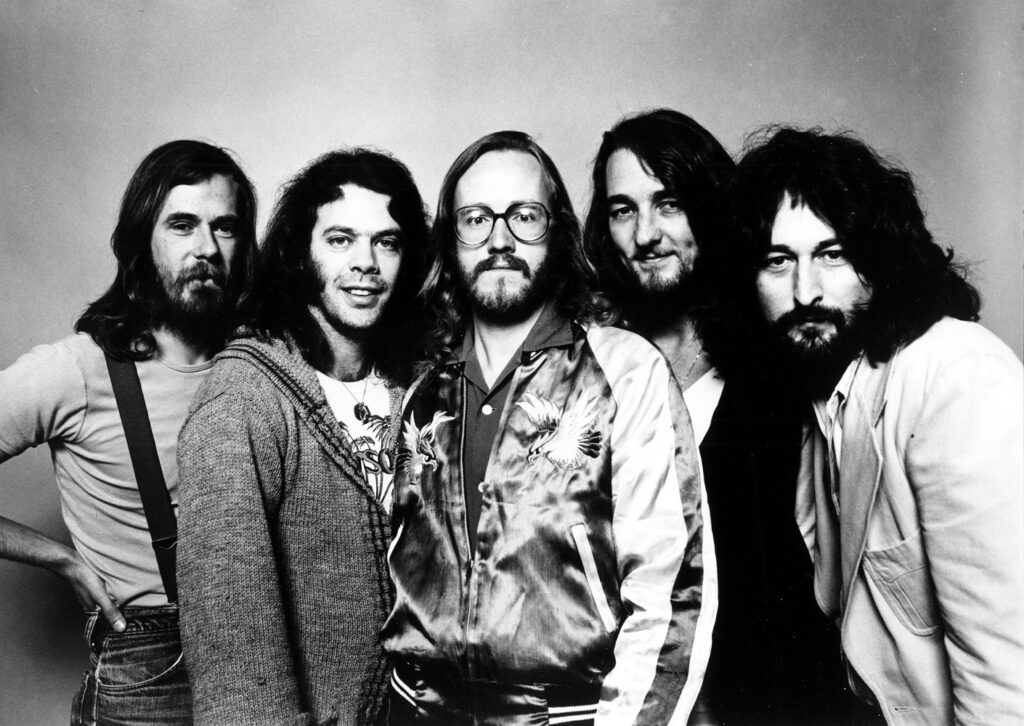
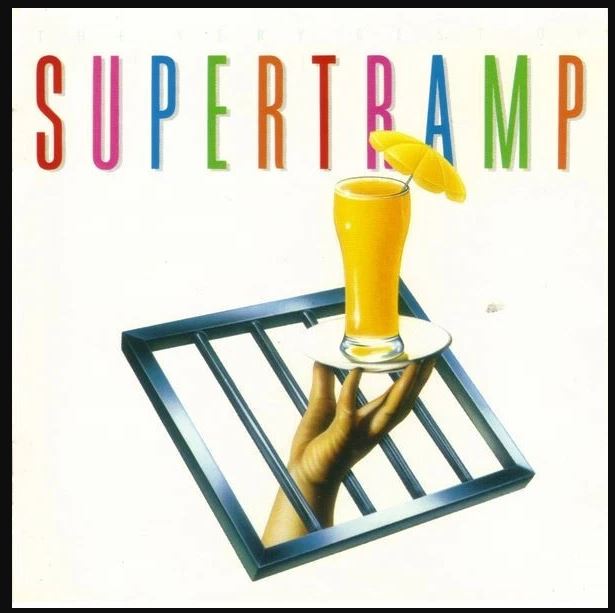
Formation: Supertramp was formed in London, England in 1969 by Rick Davies and Roger Hodgson.
Early Years: The band’s early work was marked by frequent lineup changes and a more experimental, progressive sound.
Breakthrough and Success
Breakthrough Album: Supertramp’s breakthrough album “Crime of the Century” was released in 1975, featuring hits like “School” and “Bloody Well Right”.
Commercial Success: The band achieved significant commercial success with albums like “Breakfast in America” (1979), “Even in the Quietest Moments” (1977), and “Famous Last Words… and More” (1980).
Top Songs:
“The Logical Song”
“Take the Long Way Home”
“Breakfast in America”
“Goodbye Stranger”
“It’s Raining Again”
The “Trip Across the Water” Theme
Inspiration: The song “Take the Long Way Home” features lyrics about taking a trip across the water, but it’s not about a specific geographic location. Instead, it’s more about the emotional journey and the sense of disconnection.
Roger Hodgson’s Perspective: In an interview, Roger Hodgson explained that the song was about “the pain of being on the road and being away from the people you love” and the desire to find a sense of home and connection.
Band Members
Founding Members:
Rick Davies: Keyboards, vocals
Roger Hodgson: Guitar, keyboards, vocals (left in 1983)
Other Notable Members:
John Helliwell: Saxophone, woodwinds
Dougie Thomson: Bass (left in 1988)
Bob Siebenberg: Drums
Interesting Facts
Supertramp’s music often explores themes of alienation, social commentary, and personal relationships.
The band’s name “Supertramp” comes from a book by W.H. Davies, “The Autobiography of a Super-Tramp”, which explores the life of a homeless person in the early 20th century.
Roger Hodgson’s distinctive vocals and songwriting style were a key part of Supertramp’s sound, and his departure from the band in 1983 marked a significant change in their musical direction [1][2].
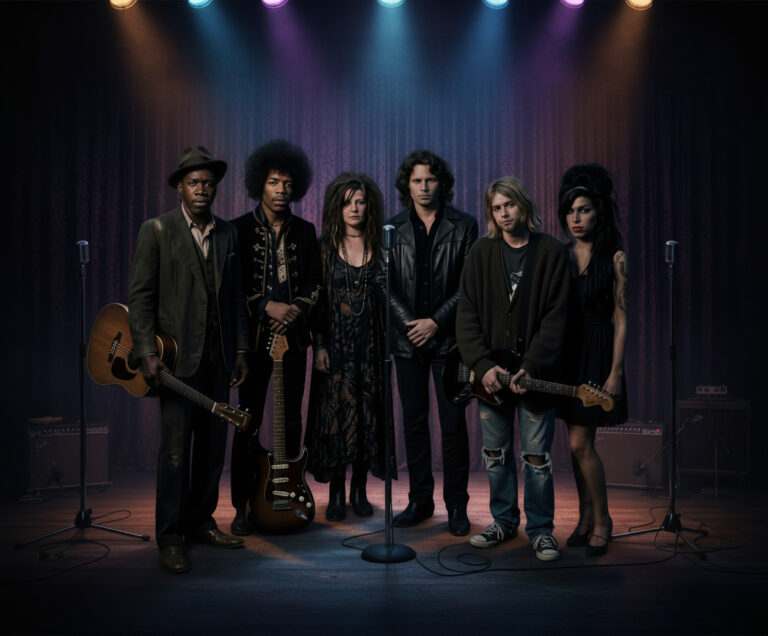
The 27 Club The whispers began in dimly lit clubs and backstage dressing rooms, morphing into campfire tales and eventually, into a widely recognized cultural archetype: the “27 Club.” It is a fraternity no one wishes to join, a morbid roll call of musicians whose incandescent careers were extinguished at the zenith of their creative powers, all at the age of twenty-seven.#Club27 #Music #Deadat27 #GeorgeDell #JanisJoplin #JimMorrison
J is a rock legend! She’s a singer, songwriter, and guitarist. J’s music style blends punk, rock, and glam, with a rebellious spirit that’s inspired many. She’s also a pioneering female musician who’s been a huge influence on women in rock. With a career spanning decades, J’s still rocking! But she started out like any of us. She was exposed to music early on. She convinced her parents to let her take guitar lessons at a young age. She formed her first band, in the 1970s with fellow teenage girls and the rest is history… #Music #Rock #Legend #Amazon
Daisy Jane. This is original audio from 2013. Sit down, play and sing. I didn’t like it so it has been on my hard drive for more than a decade. The nice thing about that is finding it when I went looking for a video today and building a new video with my wife, the model Amber Smith around the song. Hope you like it. #daisyjane #music #cover #dellsweet #america #foryoupageシ