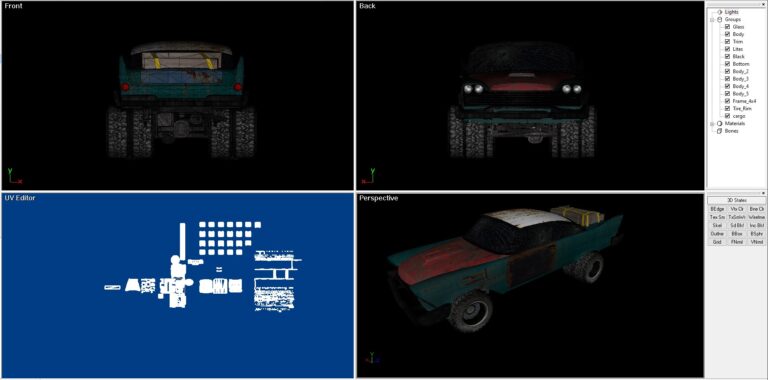
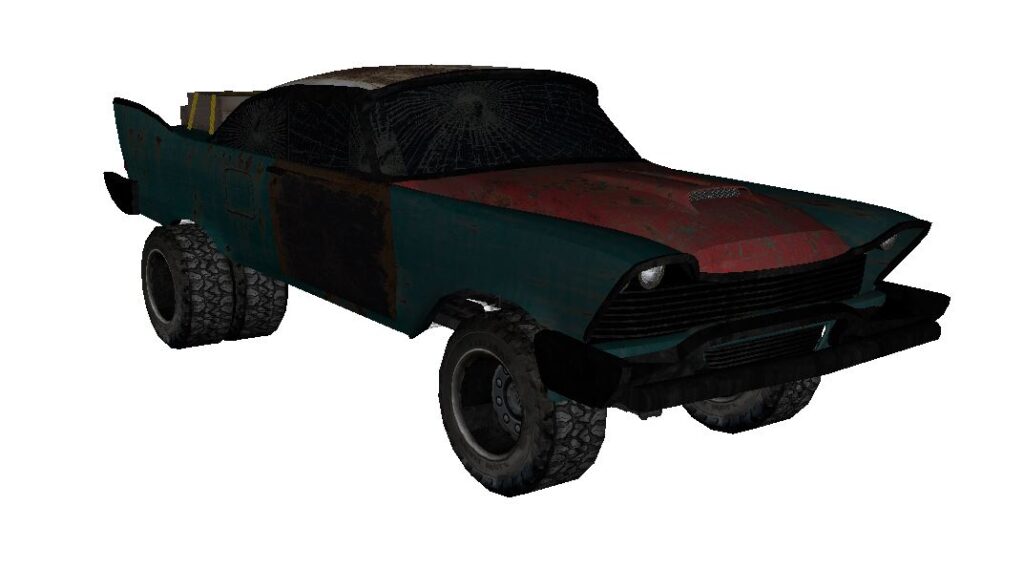
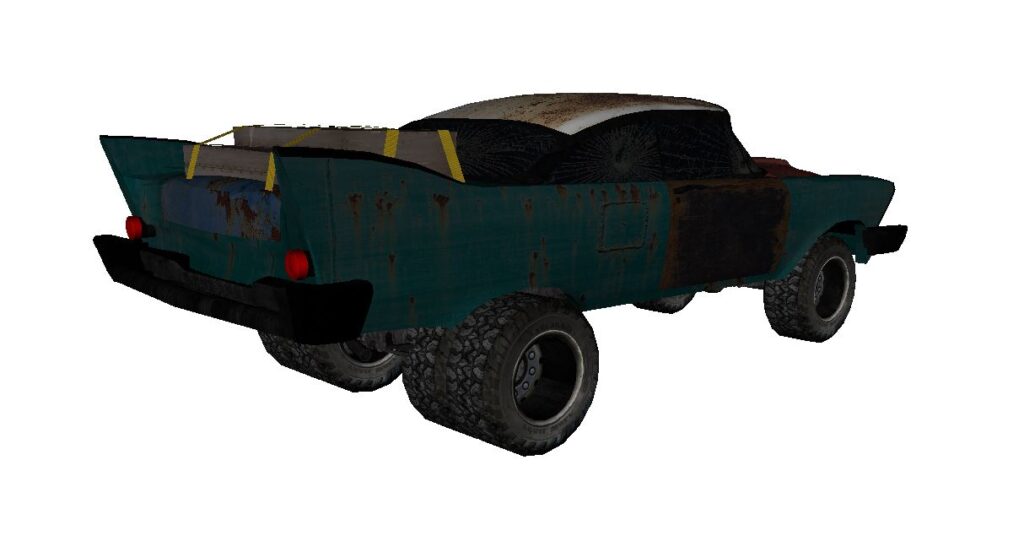
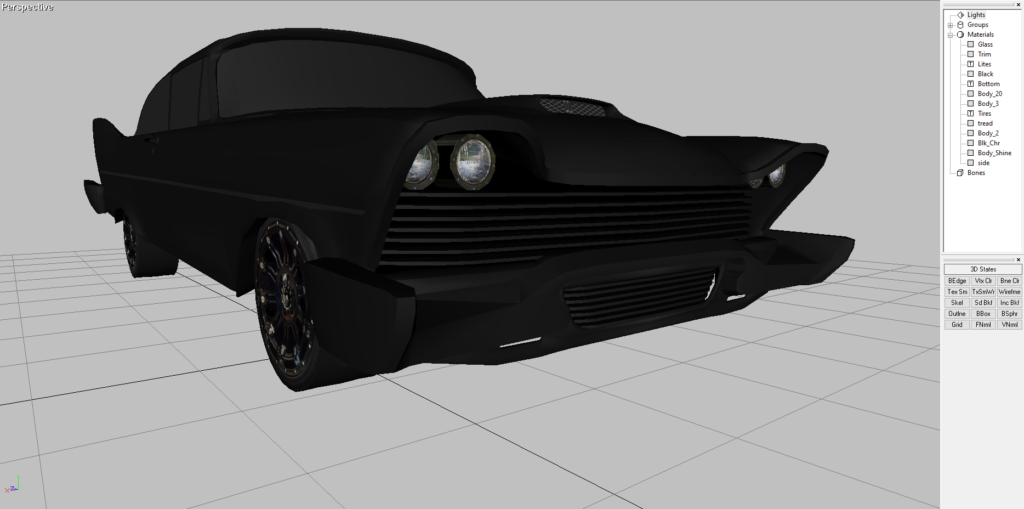
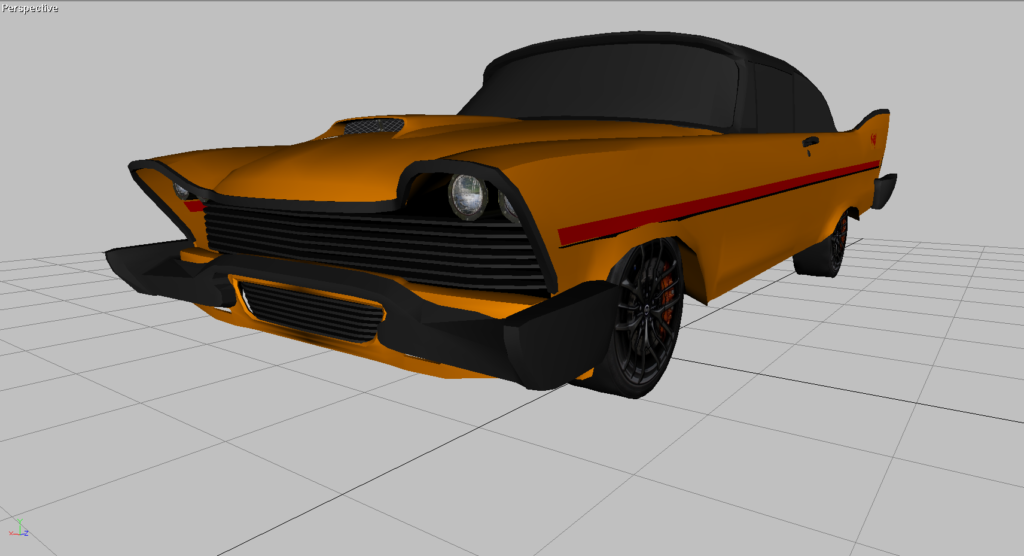
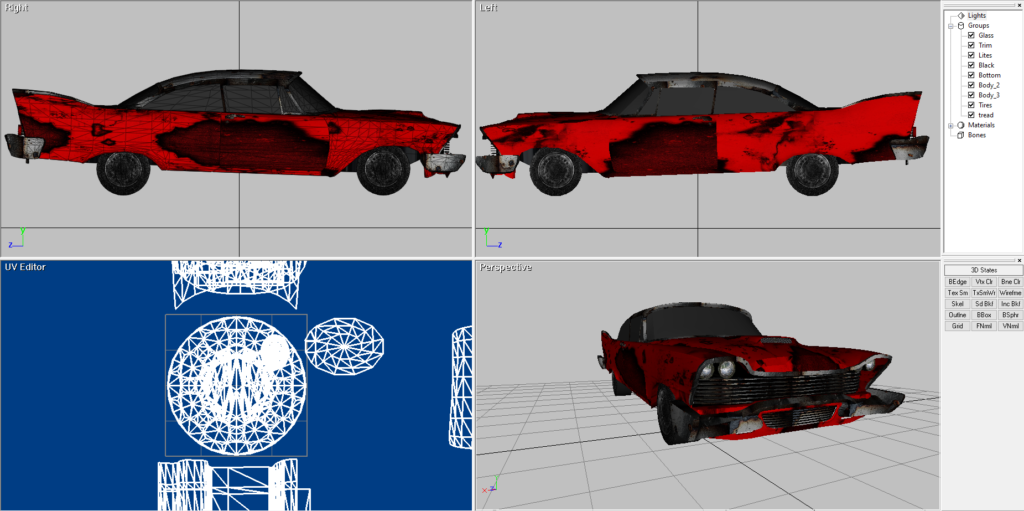
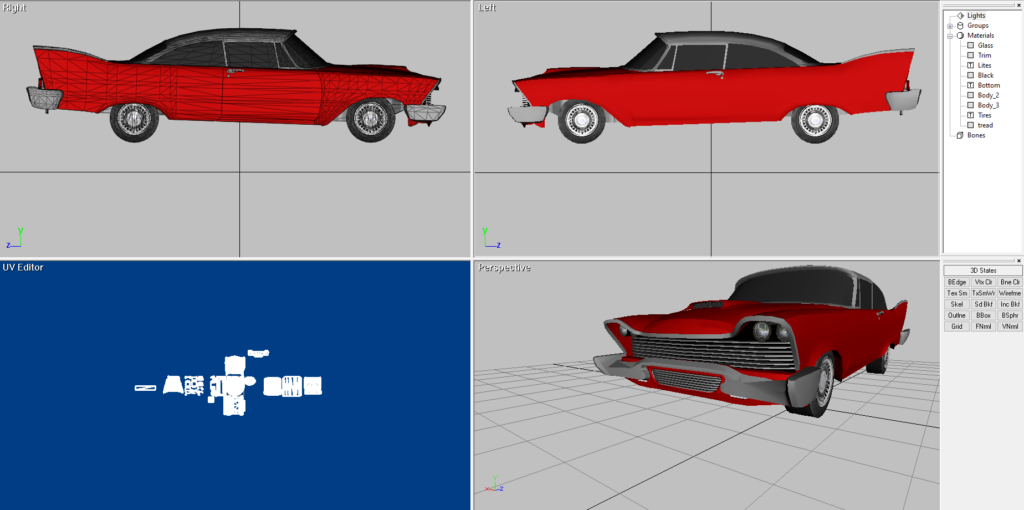
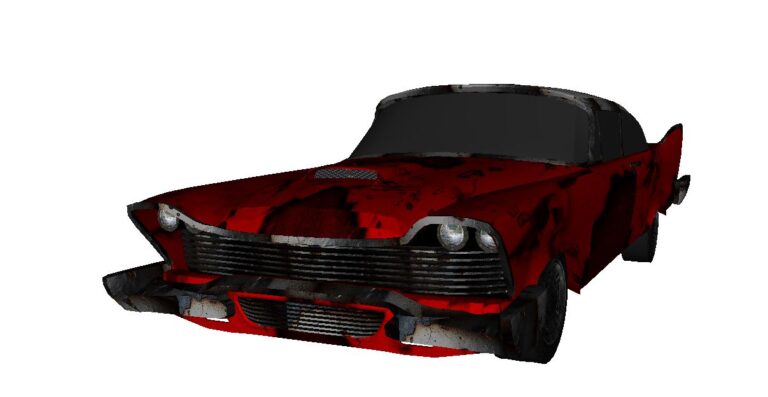
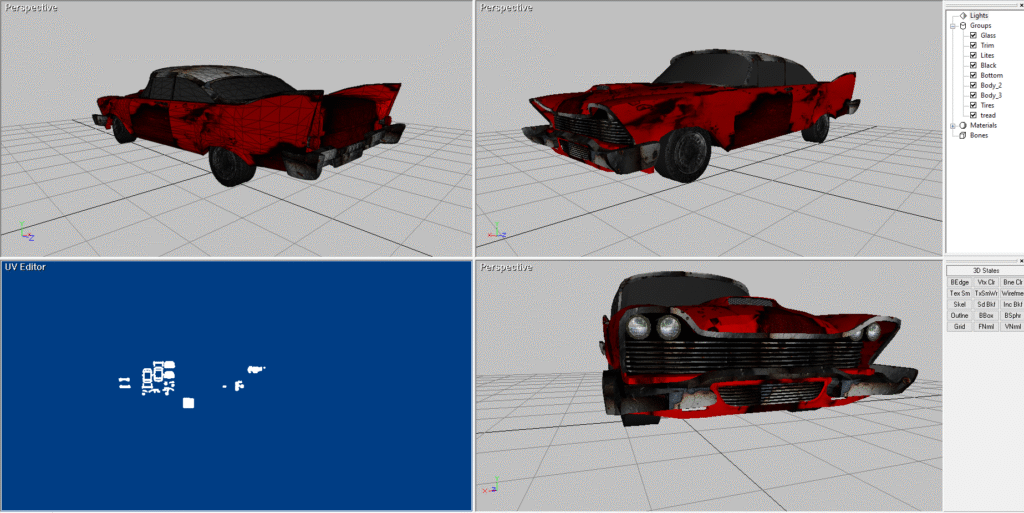
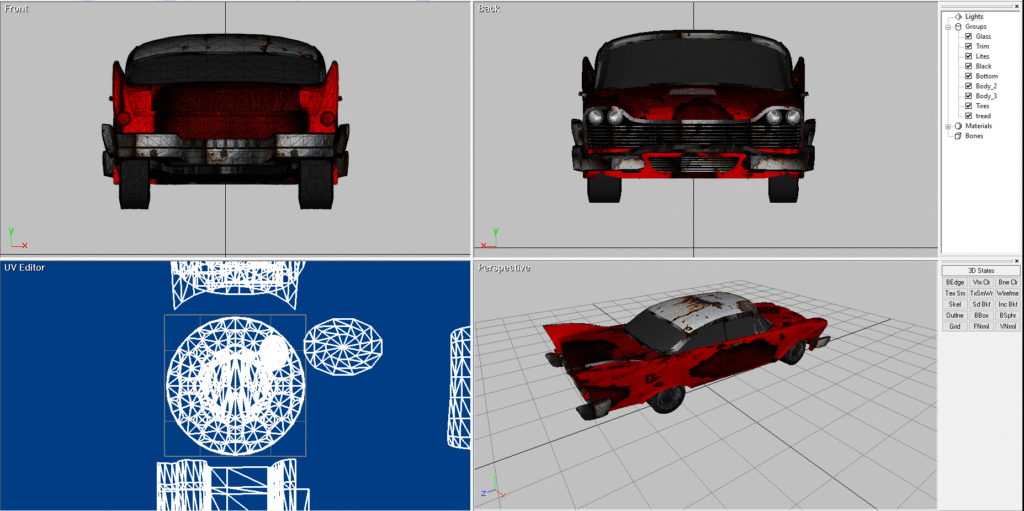
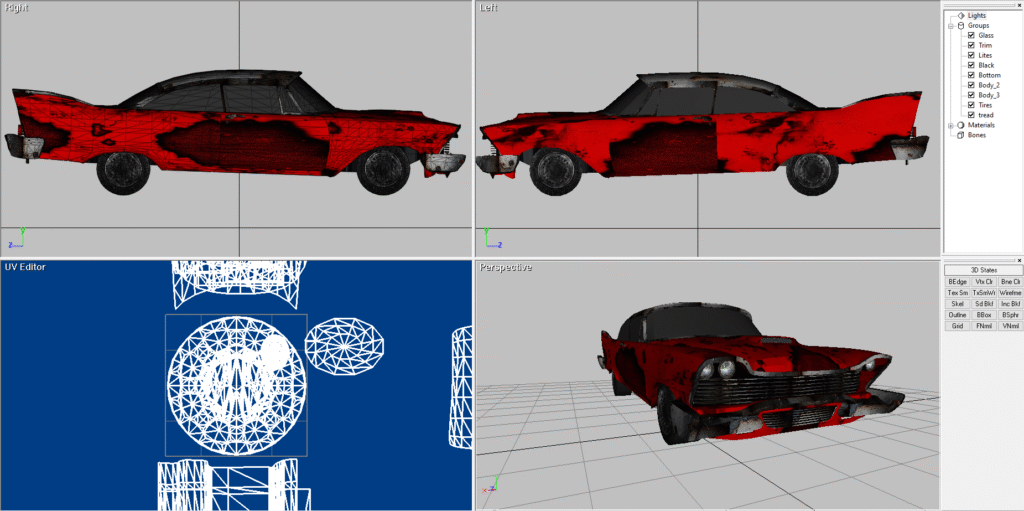
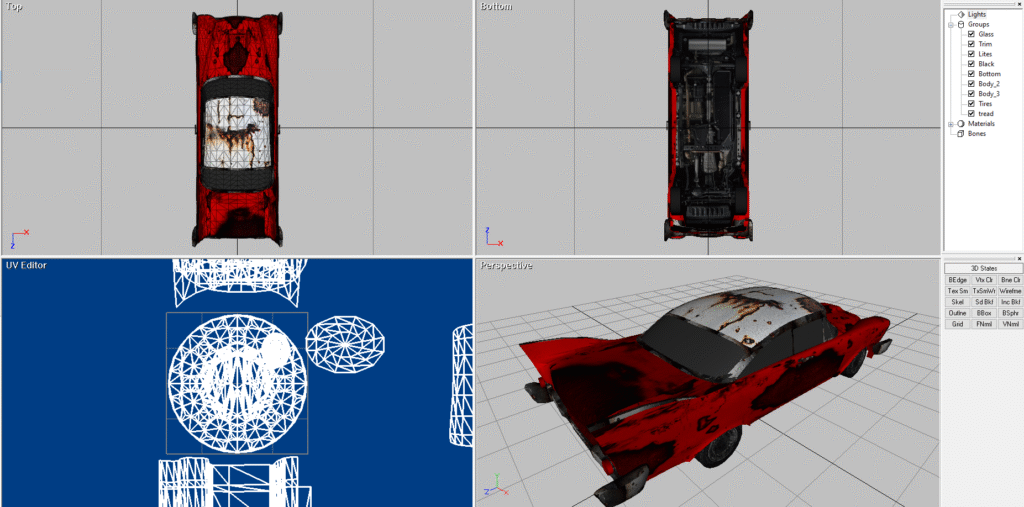
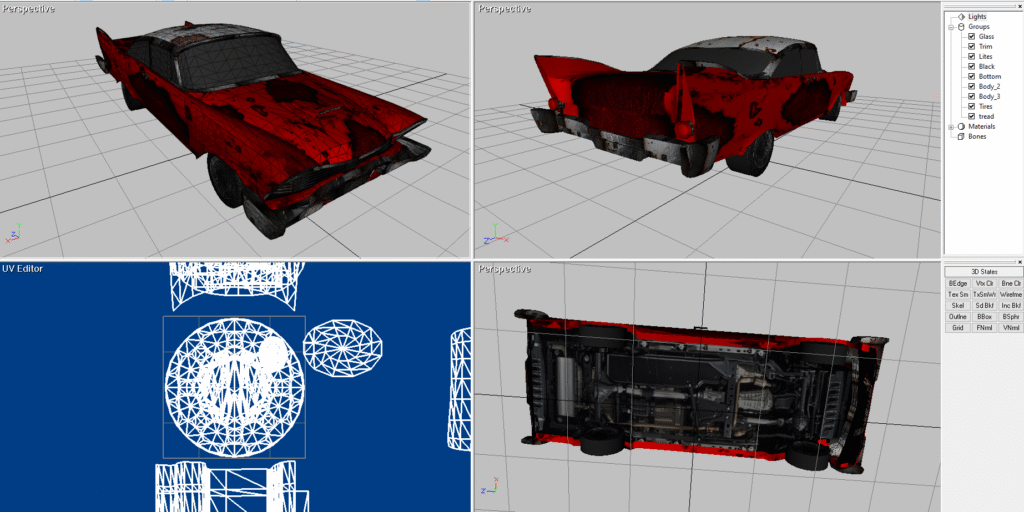
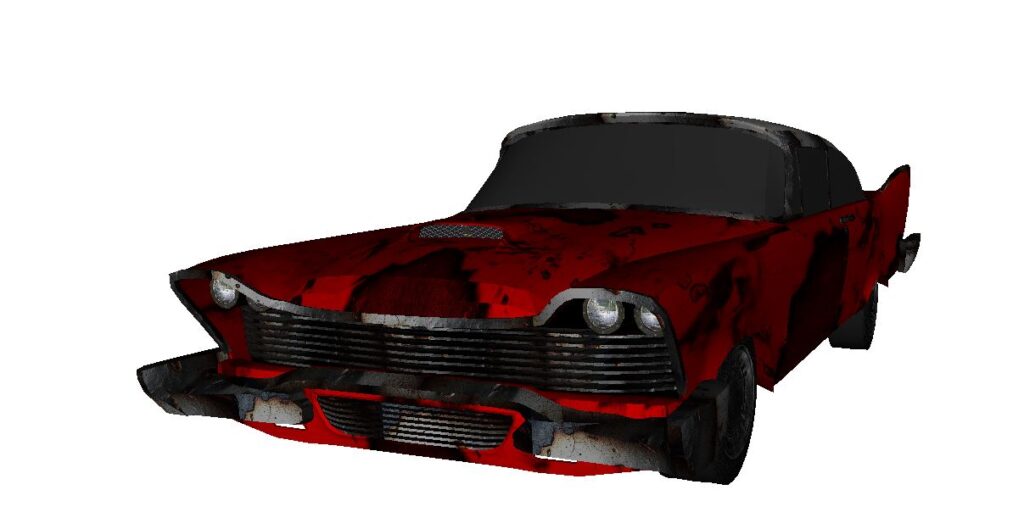
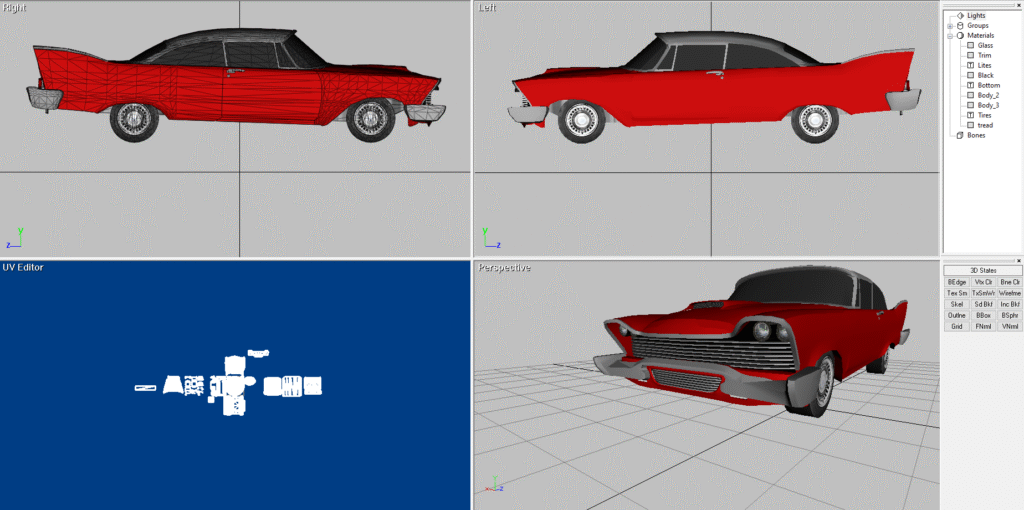
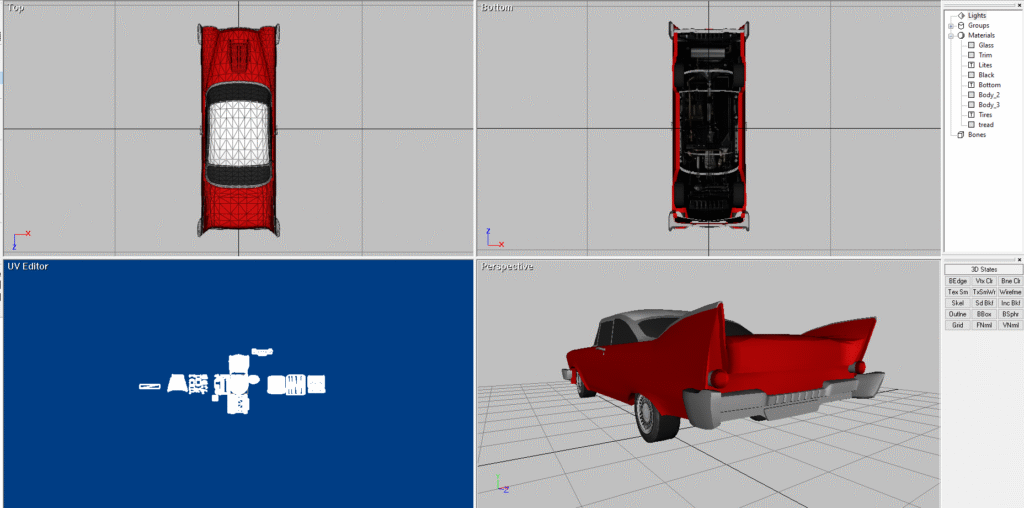
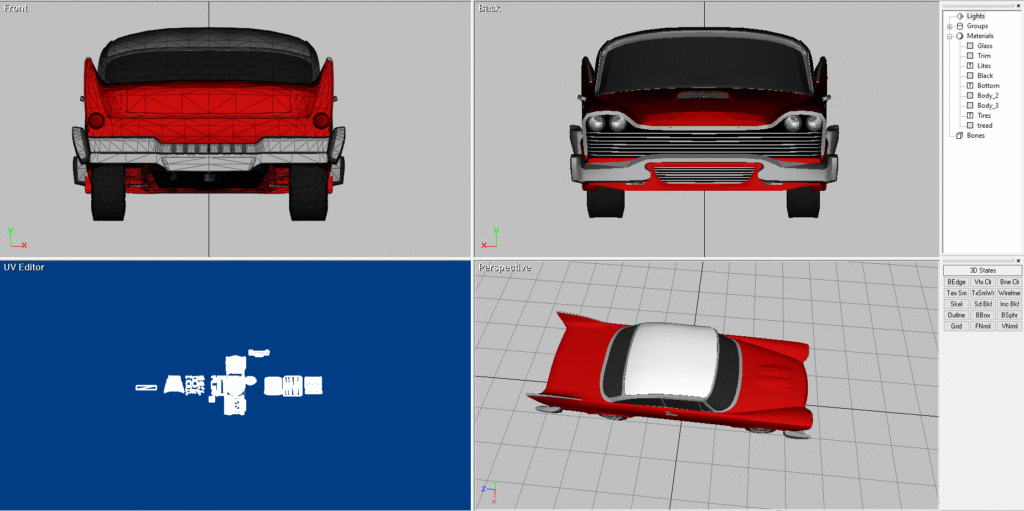
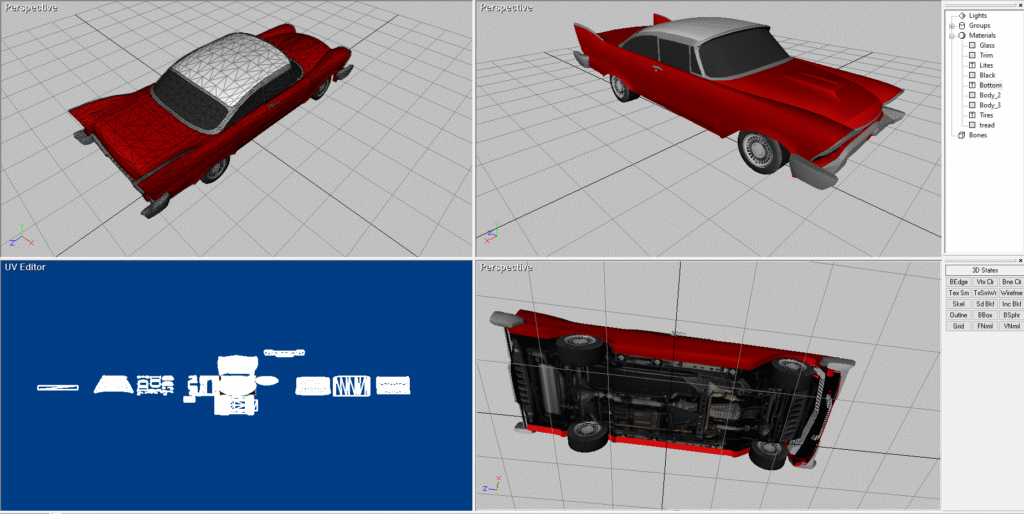
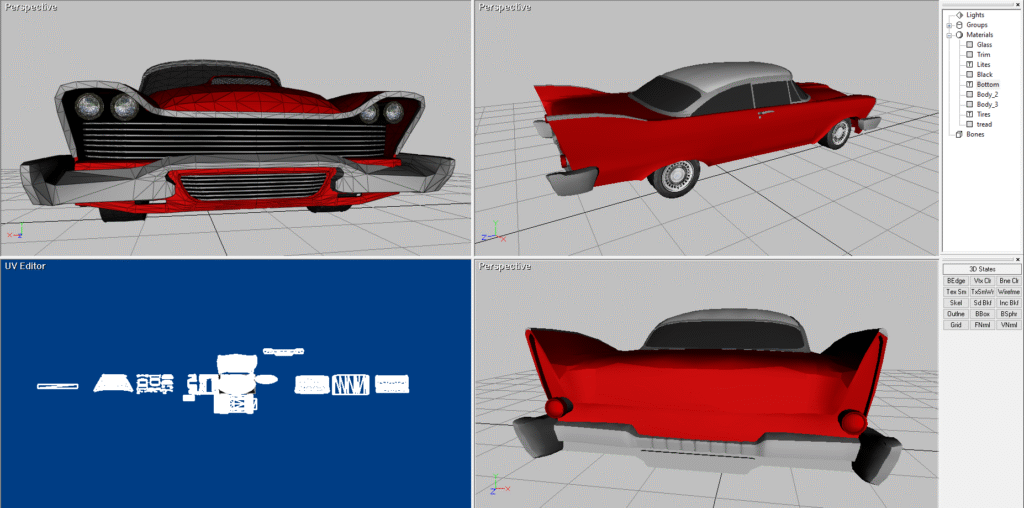
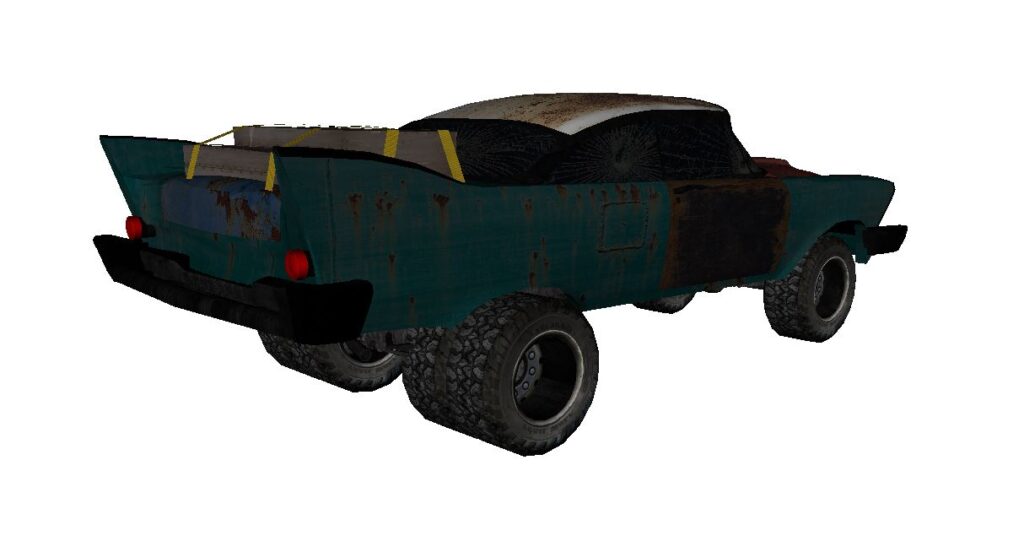
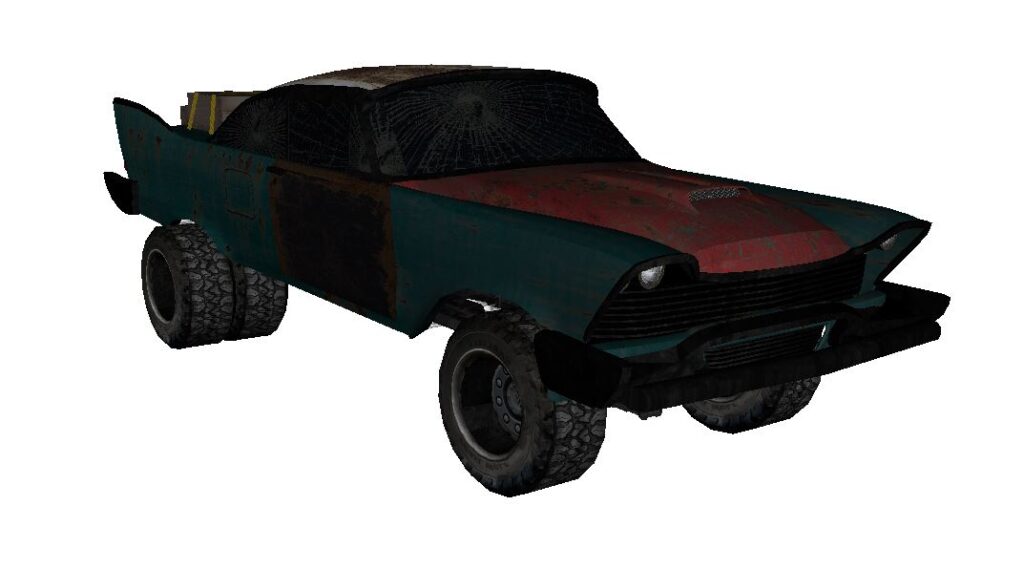
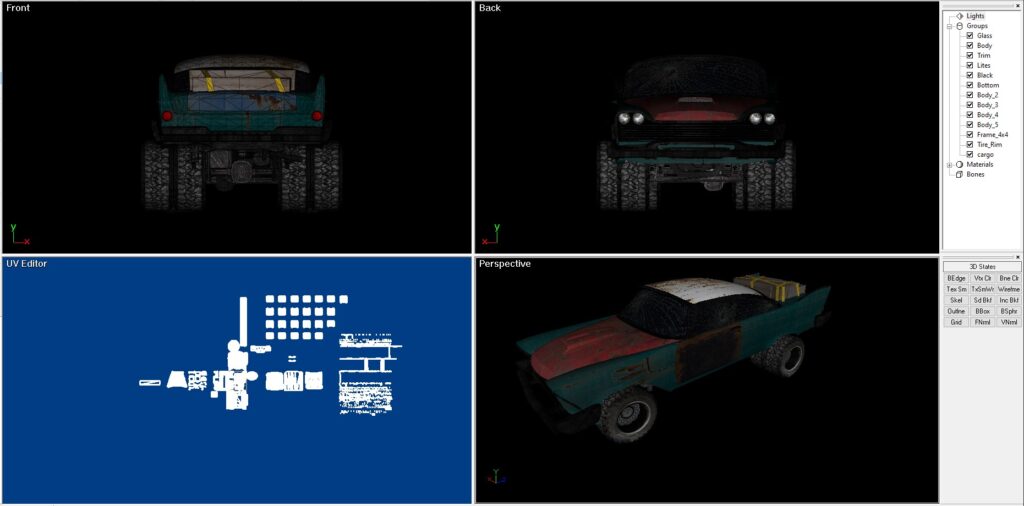
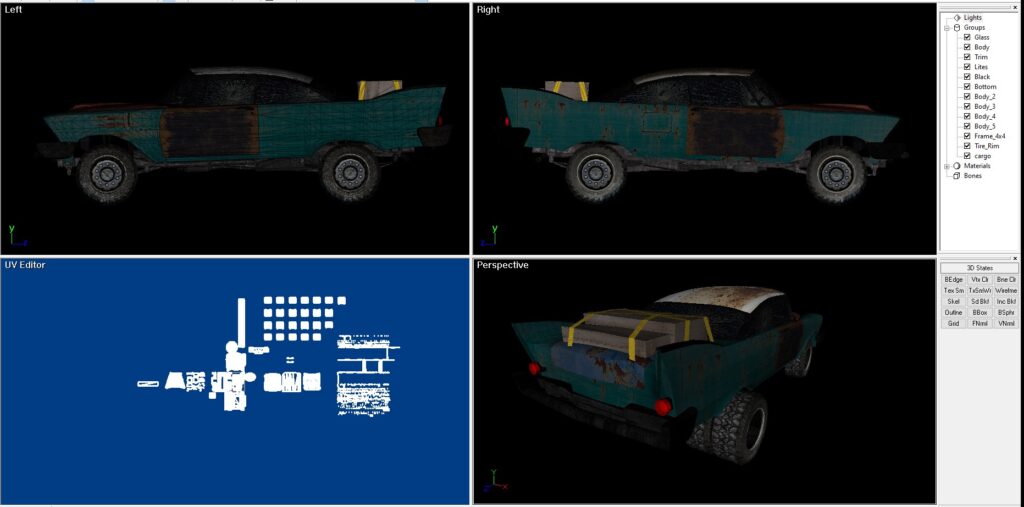
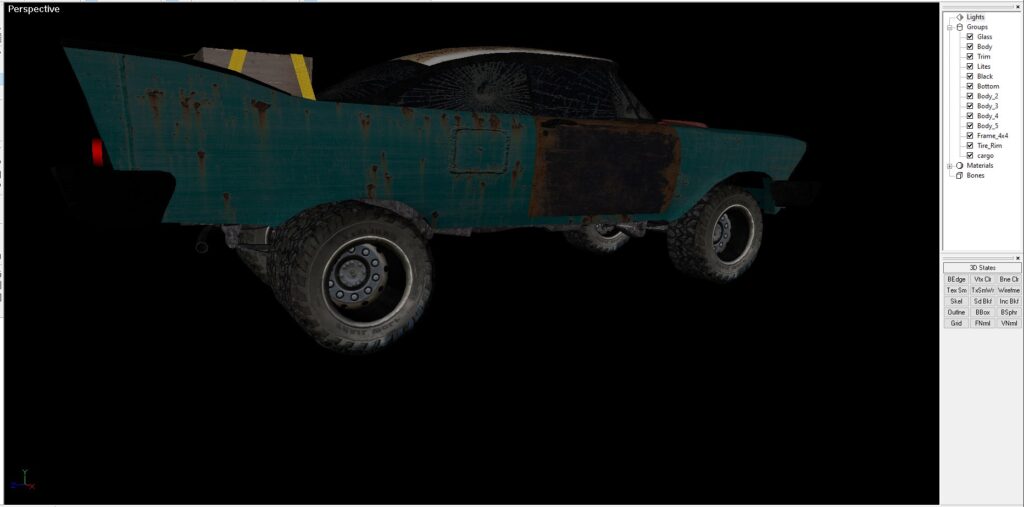
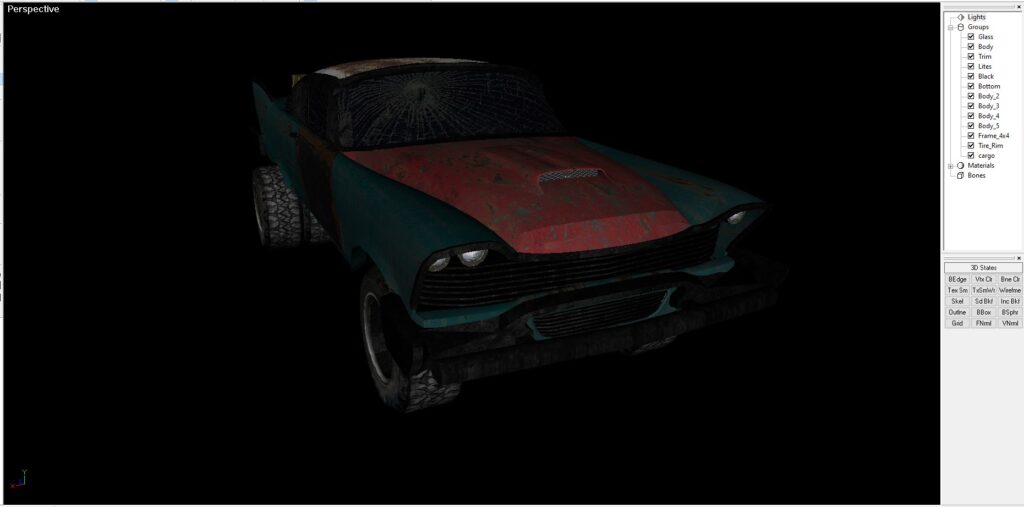
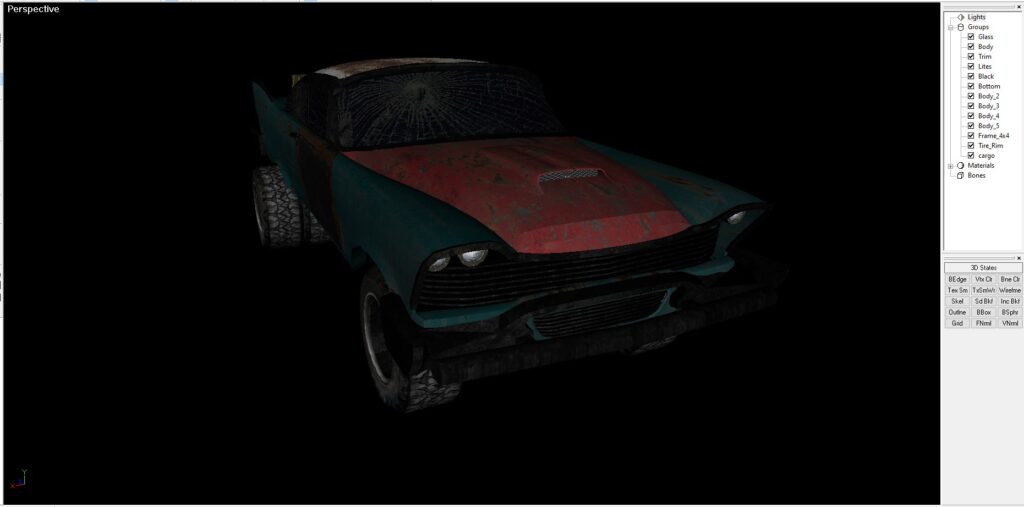
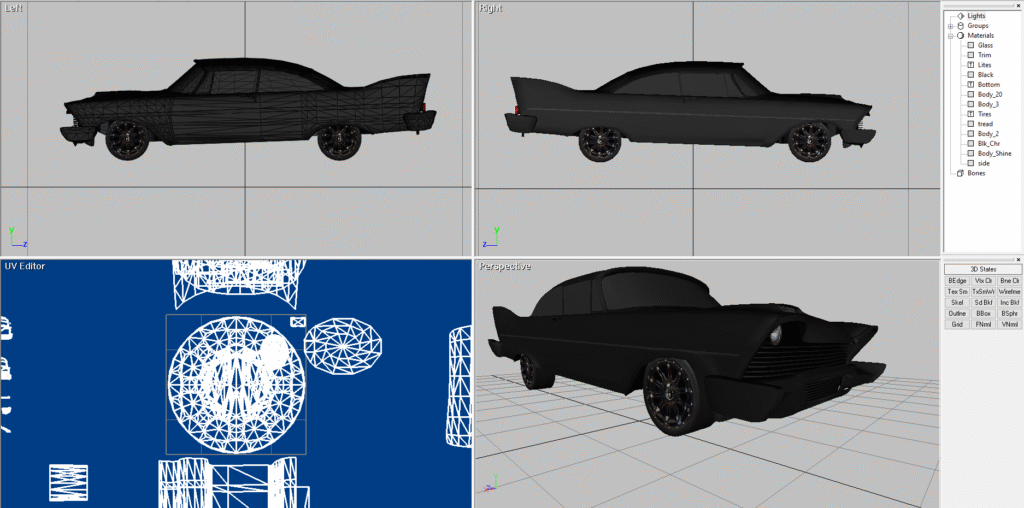
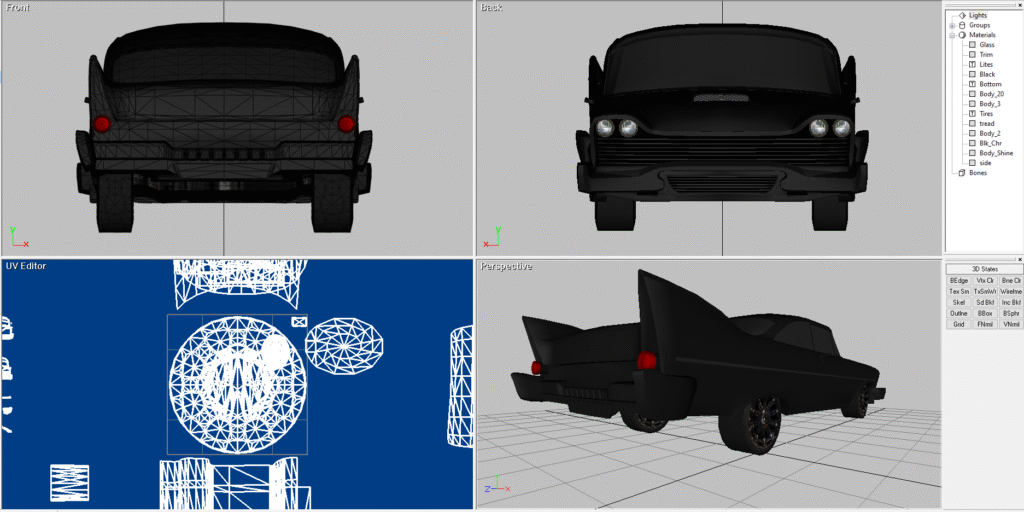
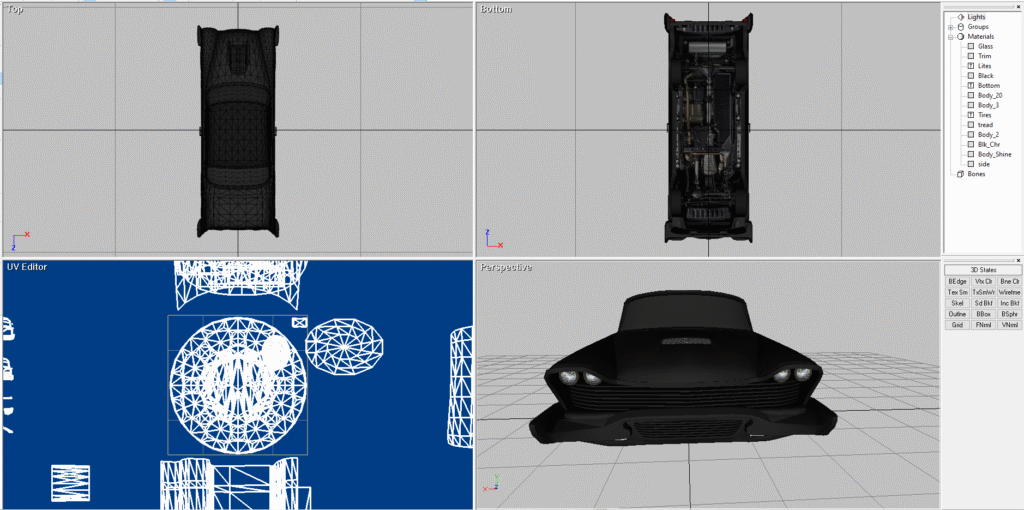
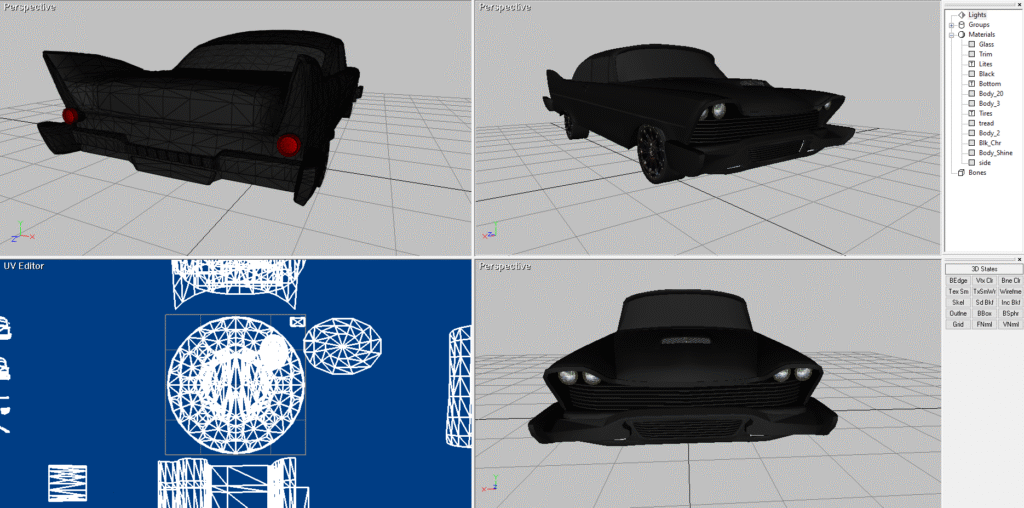
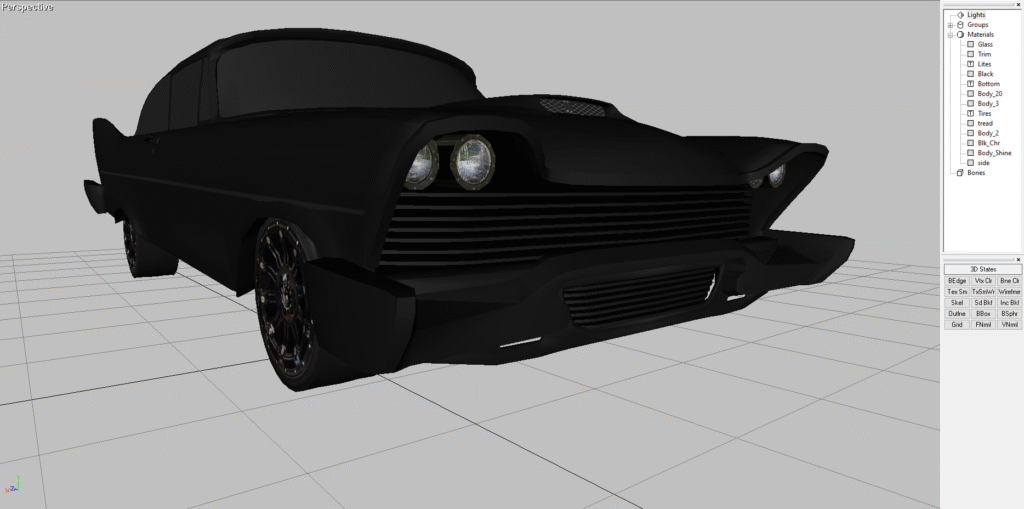
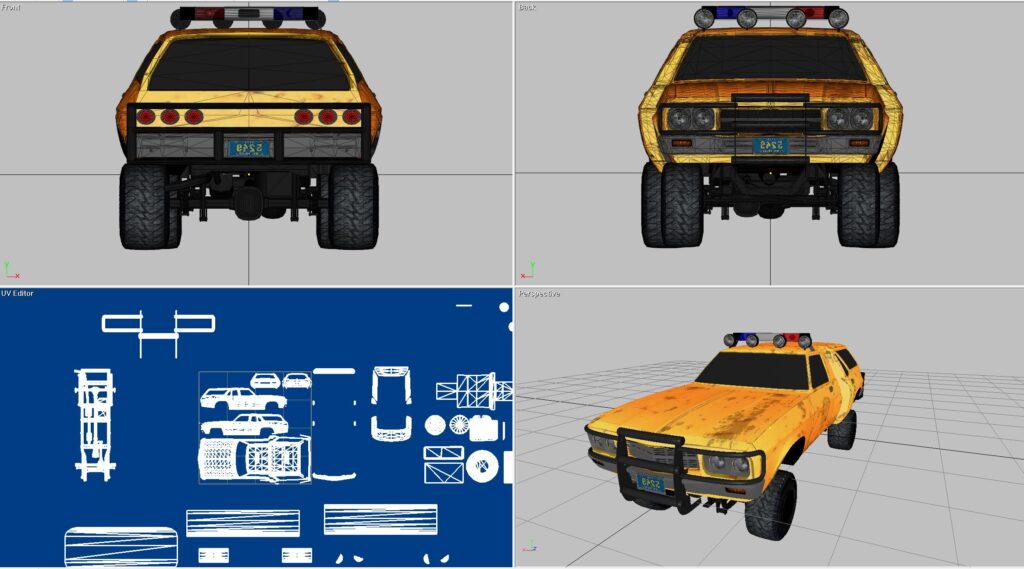
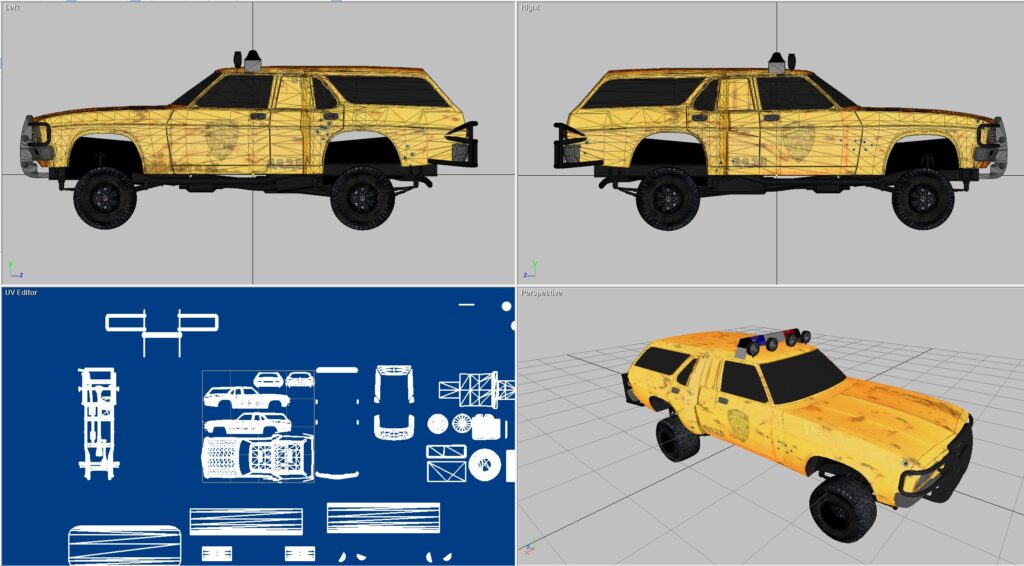
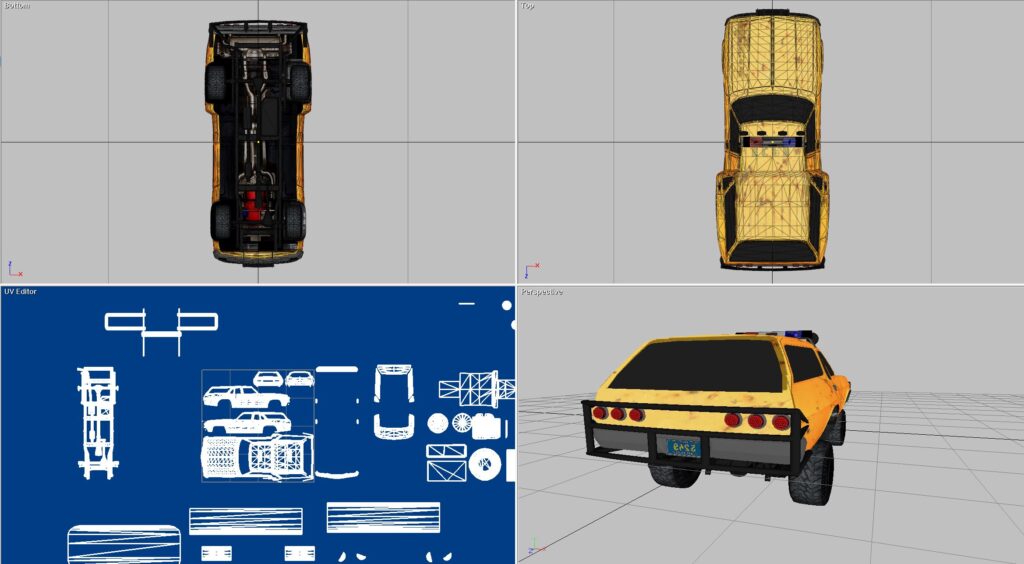
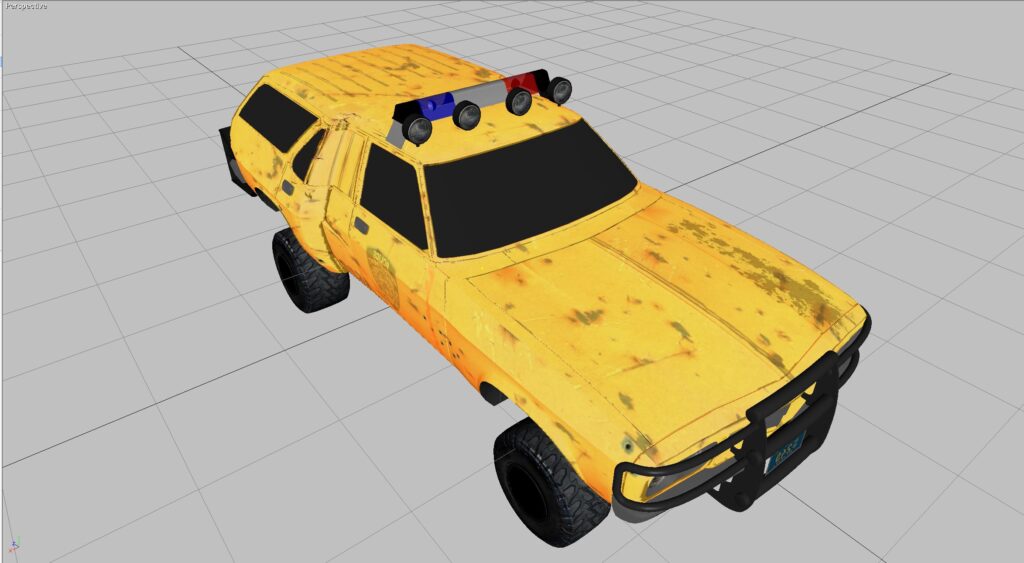
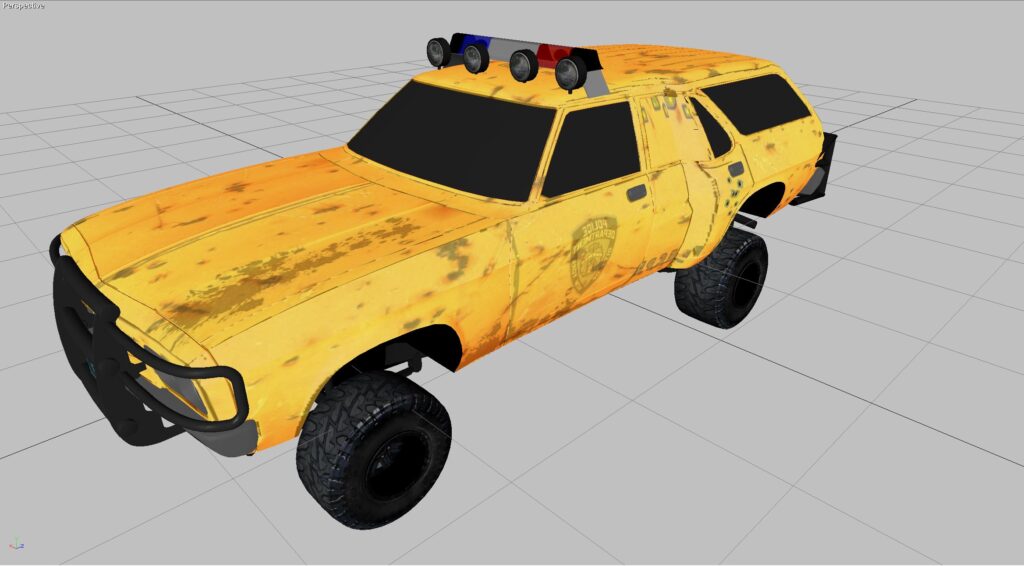
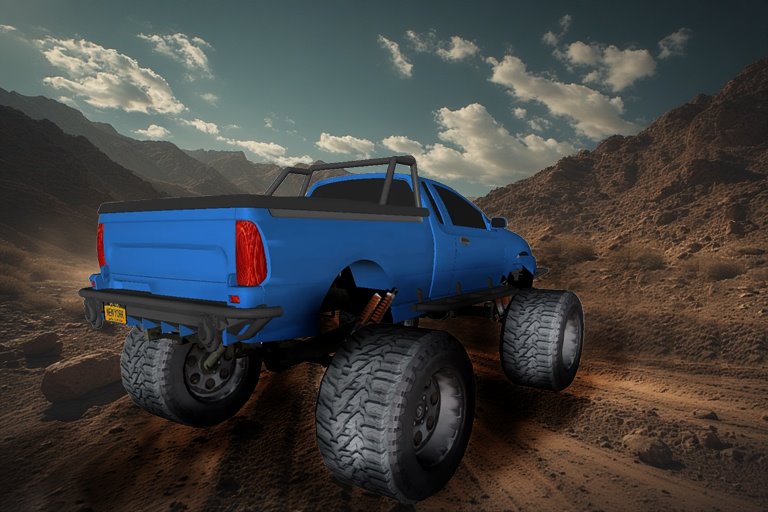
Same model in other renders I did after the Christine render…
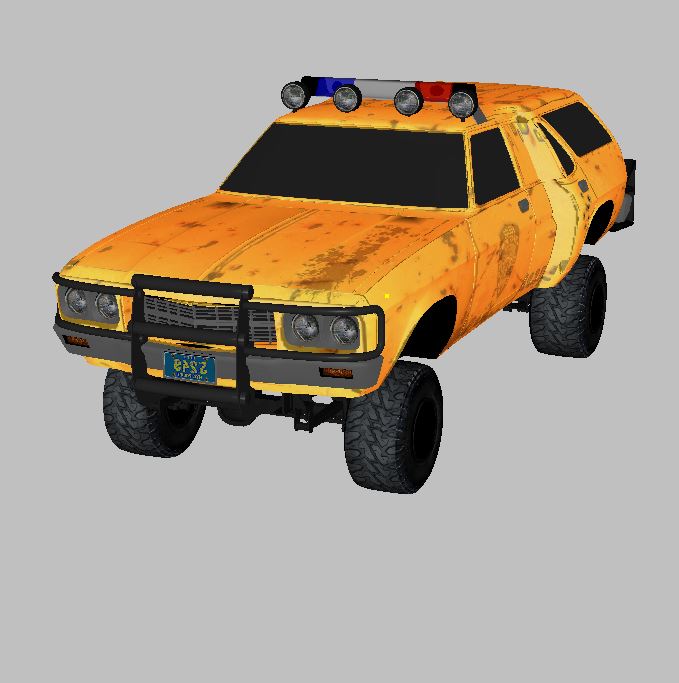
The Wastelands build…
And more…
Murdered out and lowered…
How to: Build the Christine car Christine. The movie car build. I made this while I was building the basic Plymouth Fury build. I enjoyed the build. #Christinecar #plymouthfury #horrorjunkie #dellsweet #3dmodel #directx
A 1968 Charger model I built, photographed and then used AI to bring to life… #charger #dodge #3dmodel #AIA 1968 Charger model I built, photographed and then used AI to bring to life… #charger #dodge #3dmodel #ai https://youtu.be/CsjFyLw-k0U
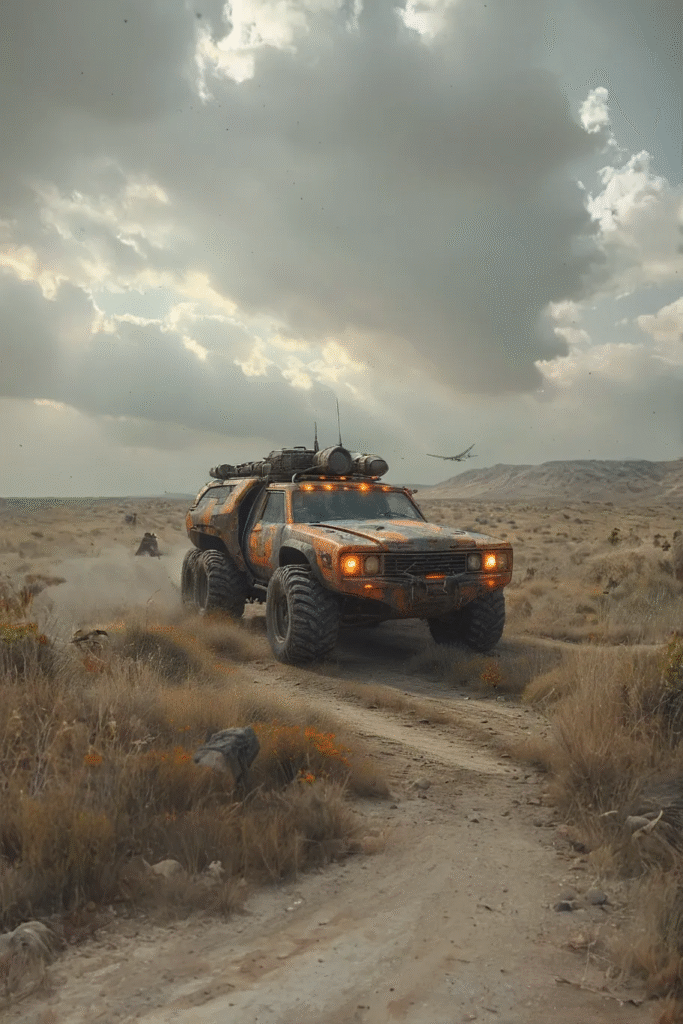
I wrote a trilogy of books called the East Coast Protection Directive and each in the three subtitled. In making small AI ads for them one turned into a picture of a car that I really liked and so I ended up building that car as a 3D model in Direct X and then adding it to RAD and driving it…
This is the image that the AI generated. I liked the look of it and so I began to work on something like it. I didn’t do the dual rear end, of course, but I liked the body so, I refined it a little and then built the model.
Artificial intelligence (AI) is a technology that enables computers and machines to simulate human learning, comprehension, problem-solving, decision-making, creativity, and autonomy. It’s a multidisciplinary field that studies how to optimize AI’s beneficial impact while reducing risks and adverse outcomes ¹.
What is AI?
AI systems work by merging large datasets with intelligent, iterative processing algorithms. This combination allows AI to learn from patterns and features in the analyzed data. AI can automate routine, repetitive, and often tedious tasks, including digital tasks like data collection and physical tasks like warehouse stock-picking and manufacturing processes.
Types of AI
There are several types of AI, including:
Narrow AI (Weak AI): Designed to perform a specific task or a narrow set of tasks, such as voice assistants or recommendation systems.
General AI (Strong AI): Possesses human-level intelligence or even surpasses human intelligence across a wide range of tasks.
Superintelligent AI: A hypothetical form of AI that would surpass human intelligence in all areas.
Reactive Machines: AI systems that only react to specific tasks without storing past experiences.
Limited Memory: AI systems that can use past data to improve future decisions.
Applications of AI
AI has a wide range of applications across various industries and domains, including:
Healthcare: Disease diagnosis, medical imaging analysis, drug discovery, personalized medicine, and patient monitoring.
Finance: Fraud detection, algorithmic trading, and personalized financial advice.
Retail: Personalized recommendations, customer service, and inventory management.
Transportation: Autonomous vehicles, traffic management, and predictive maintenance.
Education: Personalized learning experiences, automated grading, and virtual tutoring.
Manufacturing: Predictive maintenance, quality control, and supply chain management.
Future of AI
The future of AI holds much promise, with potential advancements in areas like:
Agentic AI: AI systems that can act independently and purposefully, making decisions and taking actions without human intervention.
Generative AI: AI systems that can create new content, such as text, images, music, or video.
Robotics: AI-powered robots that can perform tasks autonomously, revolutionizing industries like manufacturing, logistics, and healthcare.
Challenges and Risks
While AI offers many benefits, it also poses challenges and risks, including:
Data risks: AI systems rely on large datasets, which can be vulnerable to data poisoning, tampering, and breaches.
Bias and fairness: AI systems can perpetuate biases and discrimination if not designed and trained carefully.
Job displacement: AI may automate certain jobs, potentially displacing workers.
Investment and Adoption
Governments and companies are investing heavily in AI research and development, with the European Union committing $1.1 billion to boost AI adoption in key industries like healthcare, energy, and manufacturing ⁶. The global AI market is expected to grow significantly, with AI projected to add up to $4.4 trillion to the global economy annually.